Easy Dry Rub & Authentic Wet Marinade
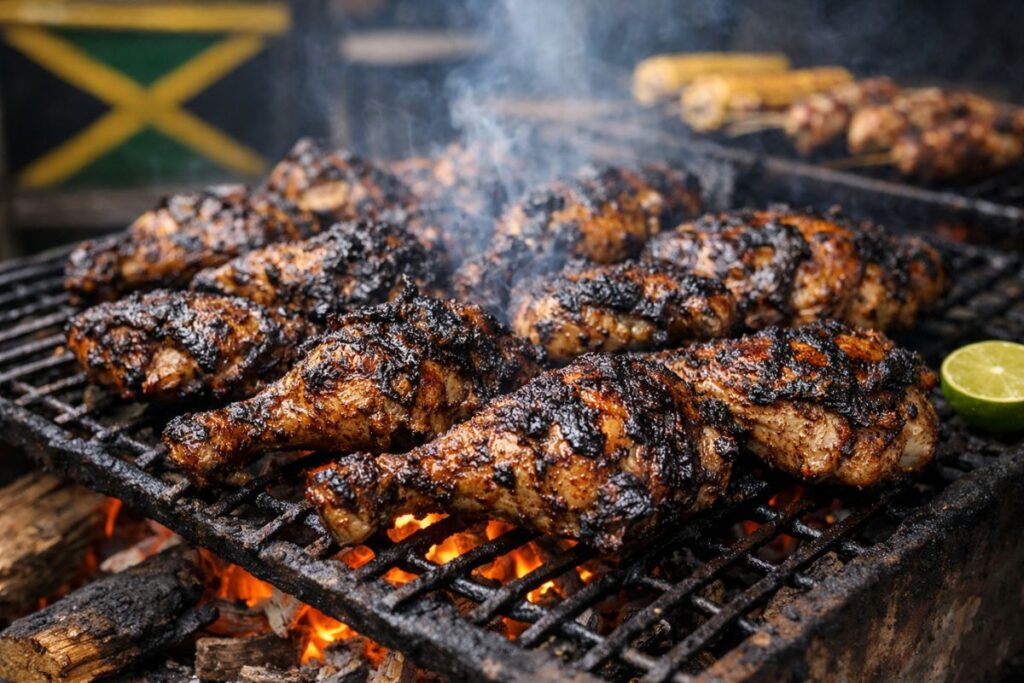
The moment pimento berries crack open over a roaring drum grill and a flash of scotch bonnet heat rises into the salt-heavy air of Boston Bay, Jamaica—this is where Jamaican jerk seasoning begins to feel alive. Smoke curls through the air, clinging to chicken skin and fingertips, carrying allspice warmth, thyme, and fire. In roadside jerk shacks, nothing is measured perfectly, yet everything tastes exact. That same bold, unapologetic flavor is what we’re bringing into your kitchen today.
We’re breaking down jamaican jerk seasoning into something you can actually make at home—no mystery packets, no intimidation. Whether you lean toward a dry rub or a wet paste, the goal is the same: build layers of heat, sweetness, and deep aromatic spice that can transform even a simple weeknight chicken. If you’ve ever tasted authentic jerk and thought it was too complex to recreate, this version is designed to change that. The beauty of Jamaican jerk seasoning is that once you understand its core spices, it becomes less of a “recipe” and more of a rhythm you can return to anytime.
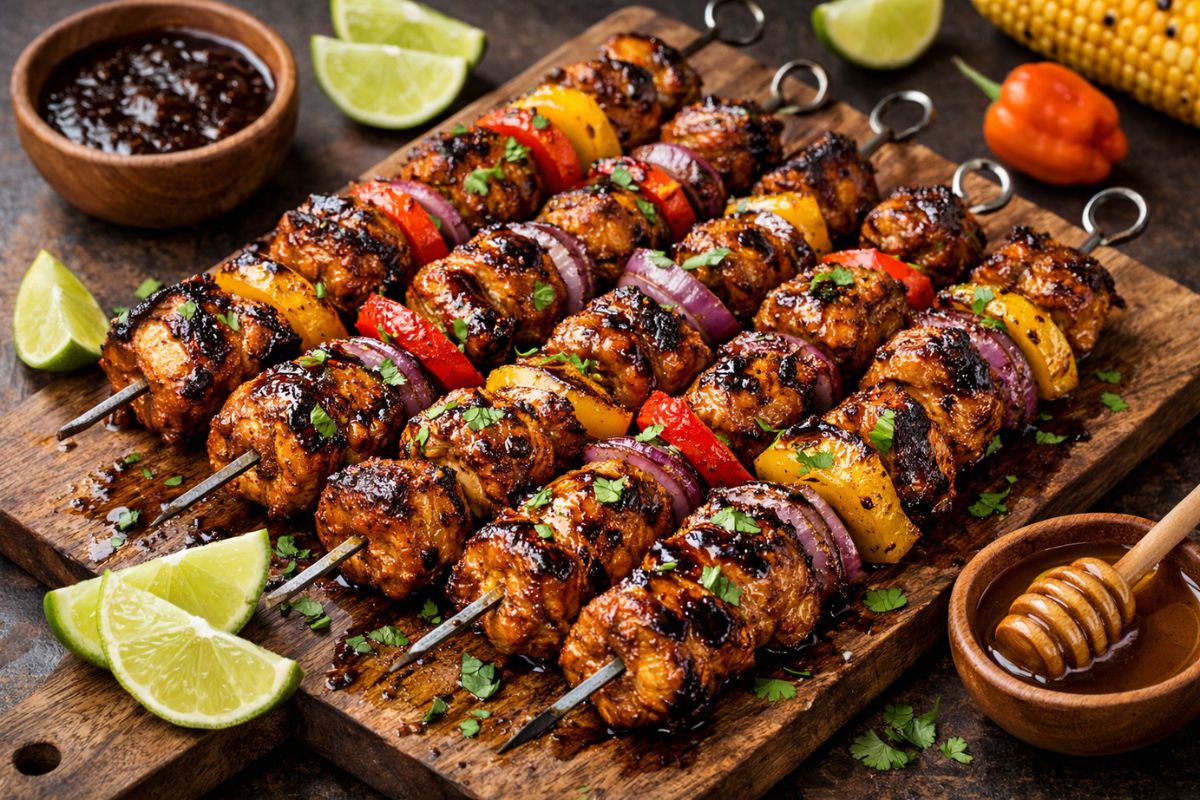
Once you’ve mixed your own blend, you’ll see how easily it connects to dishes like our Honey Lime Jamaican Jerk Chicken recipe, where the spice meets citrus glaze in the most addictive way. Honey Lime Jamaican Jerk Chicken recipe From there, you’re not just following a recipe—you’re building a flavor foundation that turns everyday cooking into something unforgettable.
Dry Rub vs. Wet Paste
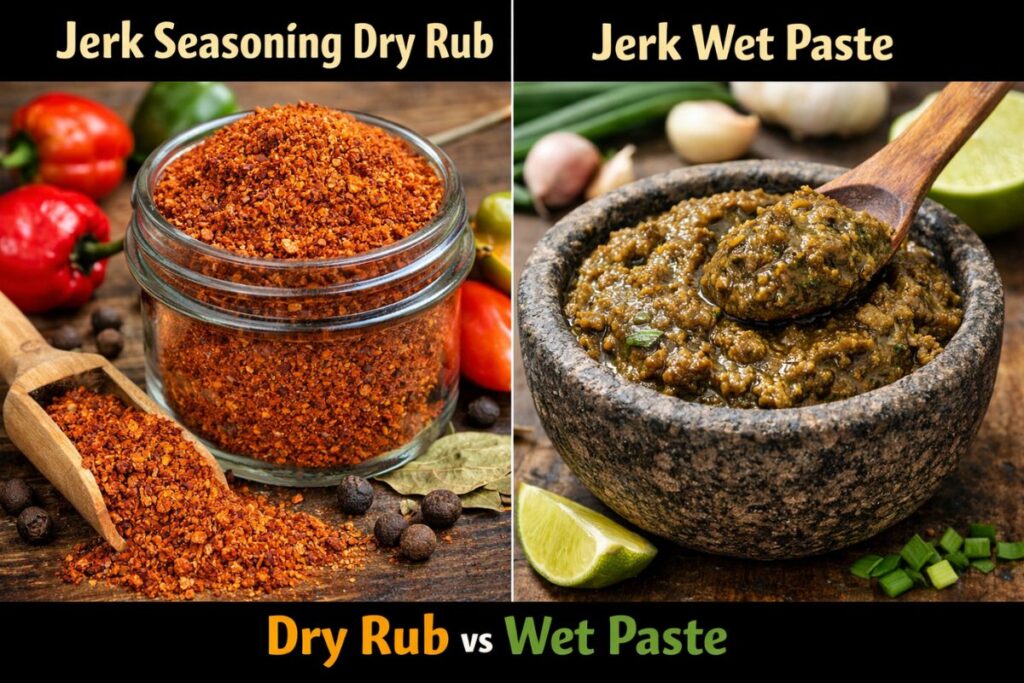
When it comes to building bold, smoky depth at home, jamaican jerk seasoning doesn’t force you into just one path—it actually gives you two very different but equally delicious ways to get there. Think of it as choosing your rhythm in the kitchen: quick and punchy, or slow and deeply layered.
The first option is a jerk chicken rub, the dry blend that coats your meat in an instant crust of spice, salt, heat, and herbal brightness. This is the move for busy weeknights or spontaneous backyard grilling in the US, when you want maximum flavor with minimal waiting. You season, let it sit briefly, then throw it straight on the grill. The result is that signature jerk-style char with a crisp, spice-forward bark that feels like it came off a roadside pit in minutes.
On the other hand, the jerk chicken paste takes things in a more traditional direction. Blended with ingredients like scallions, garlic, vinegar, and scotch bonnet peppers, it transforms into a thick marinade that seeps deep into the meat. This is what you reach for on weekends when time is on your side and you want that slow-marinated, fall-apart tenderness that defines authentic Jamaican cooking.
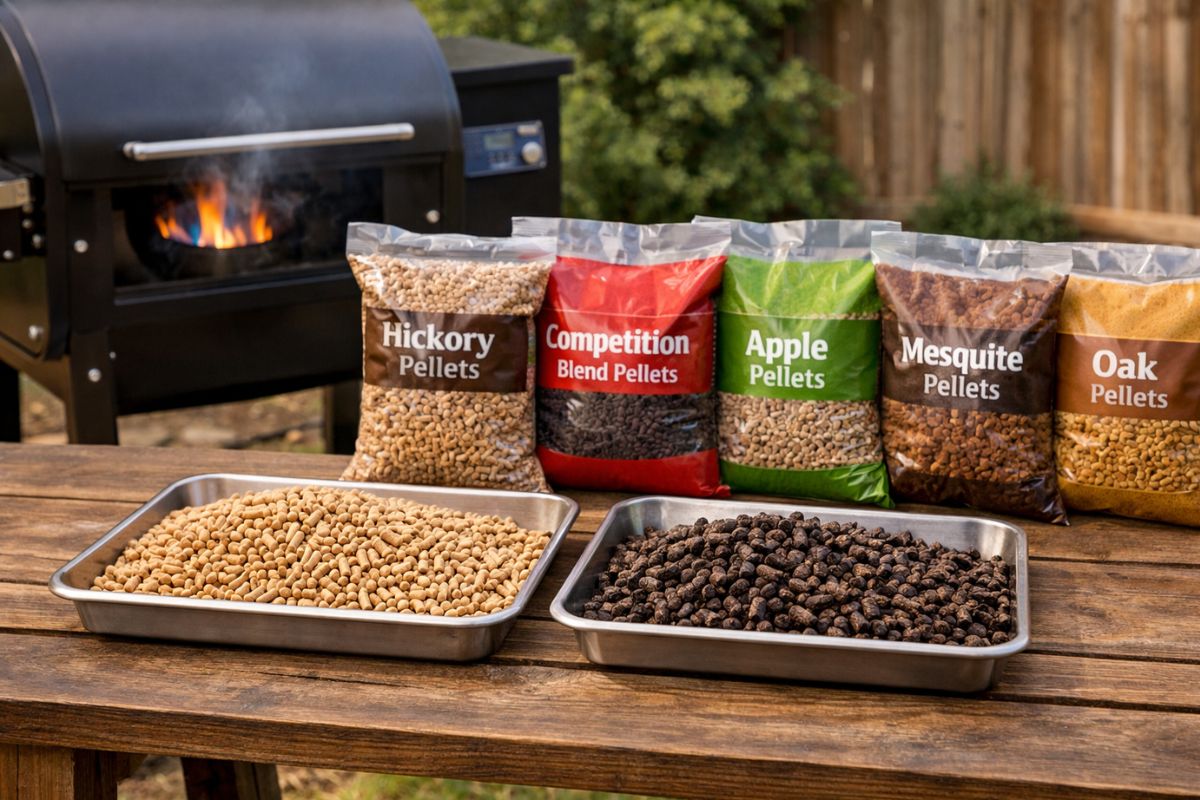
If you’re setting yourself up for backyard success, the right grill can make a big difference in how both methods perform. We break down great options in our guide to the best pellet grills under $500. best pellet grills under $500 Whether you’re going fast with a dry rub or slow with a wet paste, both paths lead you straight to that unmistakable jerk flavor that keeps people coming back for seconds.
The Tools You Need Before Starting
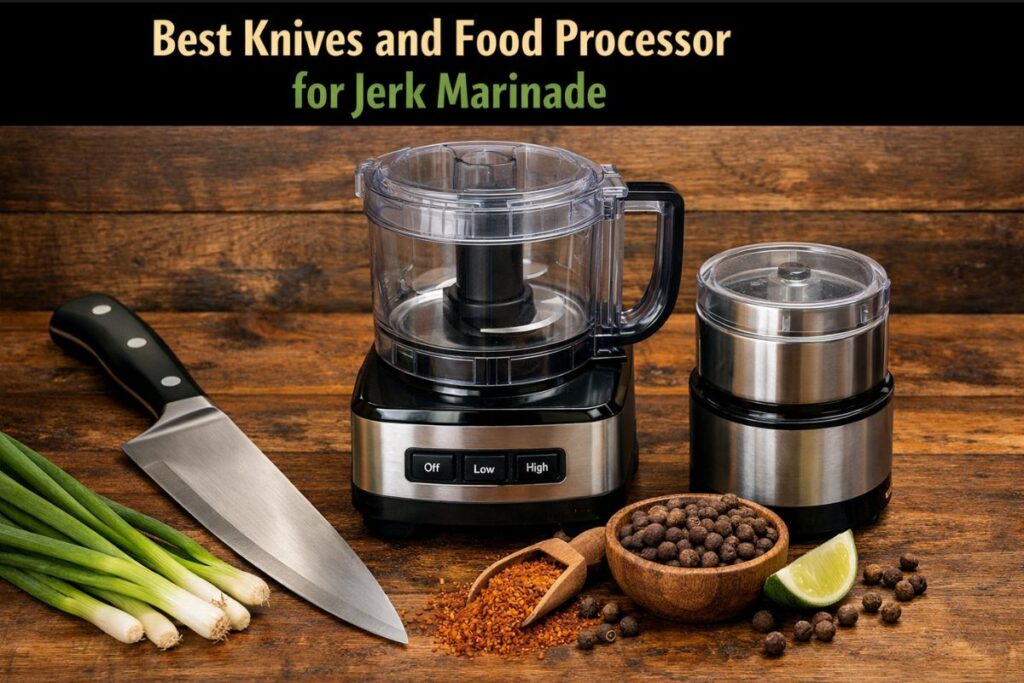
Getting jamaican jerk seasoning right at home isn’t just about ingredients—it’s also about having the right tools so things stay smooth, safe, and mess-free, especially when you’re working with scotch bonnet peppers.
- High-speed food processor or blender – This is essential for turning your wet jerk chicken paste into a smooth, emulsified marinade. It helps break down scallions, garlic, herbs, and peppers evenly so every bite carries consistent heat and flavor.
- Heavy-duty spice grinder – Whole pimento (allspice) berries are a cornerstone of authentic jerk flavor, and grinding them fresh makes a noticeable difference in aroma and depth.
- Sharp, chef-approved kitchen knife – A reliable blade makes prep faster and safer when chopping herbs and handling hot peppers. If you’re upgrading your setup, our guide to best rated knives by chefs breaks down solid options for home cooks who want precision without stress.
Having the right gear doesn’t just improve results—it keeps your kitchen workflow clean, controlled, and a lot less chaotic when those fiery aromatics hit the board.
Recipe Card: Homemade Jamaican Jerk Seasoning
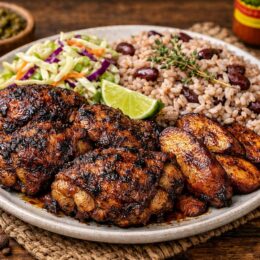
Homemade Jamaican Jerk Seasoning
Equipment
- 1 Mixing bowls (for combining dry rub) (for combining dry rub)
- 1 Spice grinder or mortar & pestle (for allspice berries)
- 1 High-speed blender or food processor (for wet paste)
- 1 Measuring spoons and cups
- 1 Airtight jar or container for storage
Ingredients
The Quick Dry Rub (Jerk Chicken Rub)
Perfect for quick grilling, weeknight meals, or seasoning before searing:
- 1 tbsp ground allspice
- 2 tbsp dark brown sugar
- 1 tbsp garlic powder
- 1 tbsp onion powder
- 2 tsp dried thyme
- 1 tsp cayenne pepper adjust for heat preference
- 1 tsp smoked paprika
- 1 ½ tsp salt
- 1 tsp black pepper
- This blend delivers instant Jamaican jerk seasoning flavor with a caramelized crust when it hits high heat.
The Traditional Wet Paste (Jerk Chicken Paste)
Best for marinating overnight or slow weekend cooking for deep, authentic flavor:
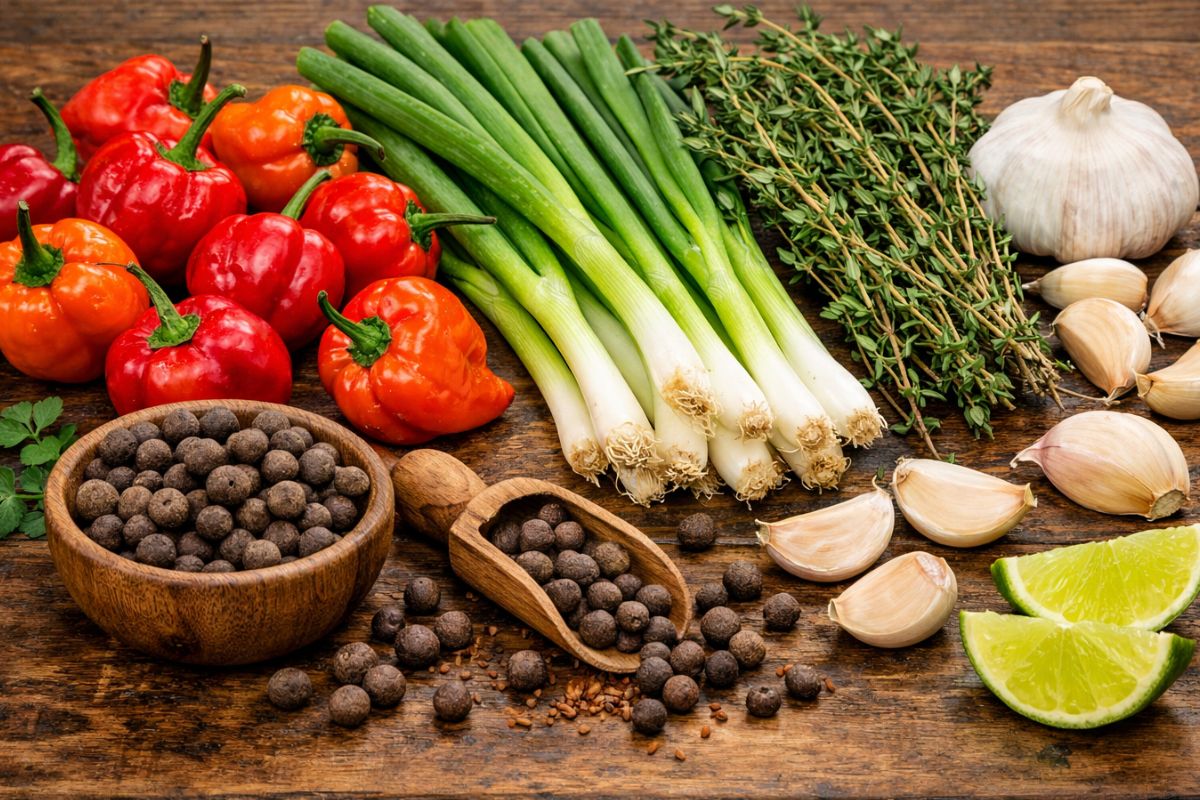
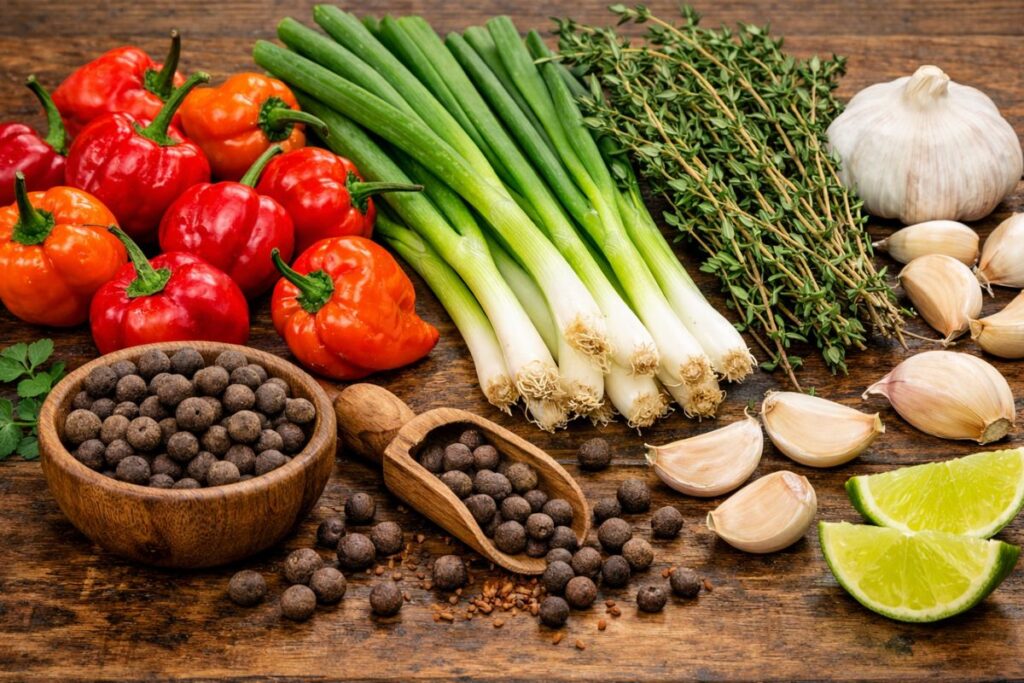
- 6 pcs fresh scotch bonnet peppers or habanero peppers as a widely available US grocery alternative
- 1 tbsp whole allspice berries lightly crushed or ground fresh
- 5 sprigs fresh thyme
- 4 scallions green onions, chopped
- 5 garlic cloves
- 1 tbsp fresh ginger peeled and chopped
- 2 tbsp soy sauce
- 2 tbsp fresh lime juice
- The jerk chicken paste version of jamaican jerk seasoning builds complexity as it marinates, allowing heat, citrus, and herbs to fully penetrate meats like chicken, pork, or even tofu.
Instructions
Step-by-Step Execution & Application
Once you’ve chosen your path for jamaican jerk seasoning, the process is simple—but precision is what turns it into a true jerk chicken marinade worth repeating.
Mix the Dry Rub
- In a small bowl, combine all dry rub ingredients until evenly blended. Break up any brown sugar clumps with your fingers or a spoon. This jerk chicken rub should feel sandy and aromatic, with a balance of heat, sweetness, and smoke. Rub directly onto chicken and let it sit for at least 30 minutes before grilling for best flavor adhesion.
Blend the Wet Paste
- Add scotch bonnet peppers, allspice berries, thyme, scallions, garlic, ginger, soy sauce, and lime juice into a high-speed blender or food processor. Blend until a thick, slightly textured paste forms. This is your authentic jerk
Nutrition Information (Estimated)
Per 1 tablespoon jamaican jerk seasoning (dry rub):
- Calories: ~25–35 kcal
- Carbohydrates: ~6–8 g
- Fat: <1 g
- Protein: <1 g
- Sodium: varies based on salt used
Note: Values are approximate and will change based on portion size and whether used as a dry rub or wet jerk chicken marinade.
Important Safety Note:
Scotch bonnet peppers are extremely hot, so always wear gloves and avoid touching your face—learn more about safe handling and Scoville heat levels in this detailed pepper safety guide from Chili Pepper Madness.
Modern Cooking Applications:
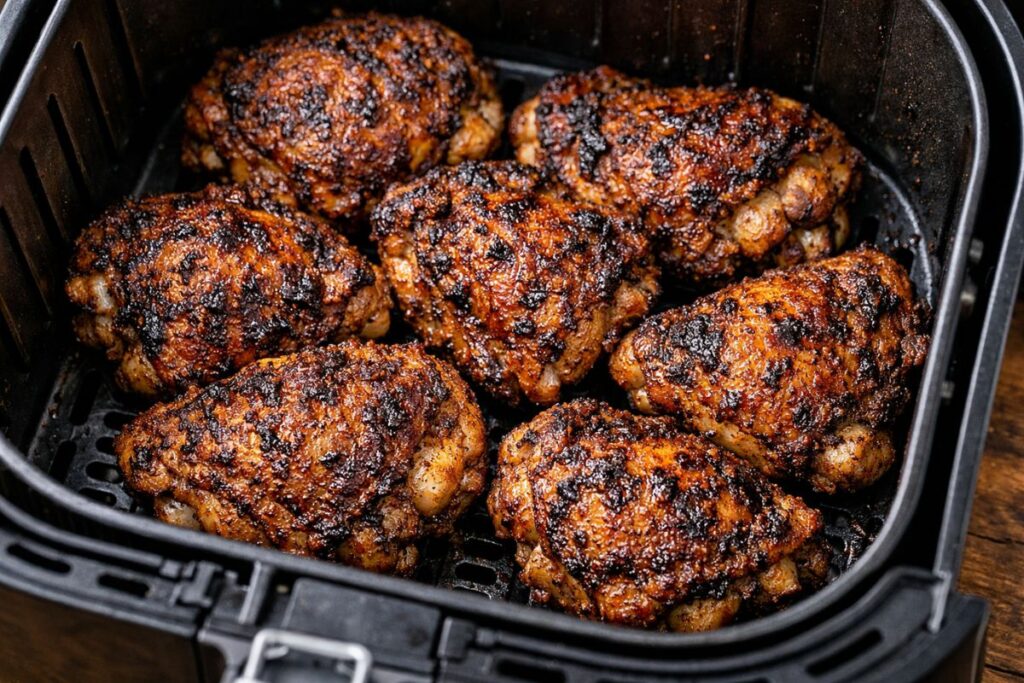
For quick weeknight meals, both blends work beautifully in an air fryer jerk chicken setup—just coat, preheat, and cook until caramelized. You can also use them in instant pot jerk chicken by adding marinated meat with a splash of liquid and pressure cooking until tender. These modern methods lock in flavor while cutting traditional cooking time dramatically, making authentic jerk more accessible than ever.
Frequently Asked Questions
How long does homemade jerk seasoning dry rub last in the pantry?
When stored properly in an airtight spice jar, the jerk chicken rub version of jamaican jerk seasoning will stay fresh for up to 6 months in a cool, dry pantry. After that, the spices won’t spoil, but they will gradually lose potency and aroma, especially the allspice and paprika.
Can I freeze the traditional wet jerk marinade paste?
Yes. The jerk chicken paste freezes extremely well. Portion it into ice cube trays for single-use servings or store in freezer-safe bags. It will keep its flavor for up to 3 months. Just thaw in the fridge before using, or add cubes directly into slow-cooked dishes.
What is the best substitute if I can’t find fresh Scotch Bonnet peppers in my local US supermarket?
The closest and most widely available substitute is fresh habanero peppers. They deliver a similar heat profile and fruity intensity, making them an excellent stand-in for authentic Jamaican jerk seasoning. You can also reduce quantity slightly if you prefer a milder heat level.
Can I use this seasoning blend on proteins other than chicken?
Absolutely. While jerk chicken is the classic application, both the dry rub and wet marinade work beautifully across multiple proteins. Try it on pork chops, shrimp, beef, or baked tofu. The spice blend adapts well to different cooking methods and proteins, giving you that signature smoky, peppery Caribbean flavor no matter what’s on the menu.
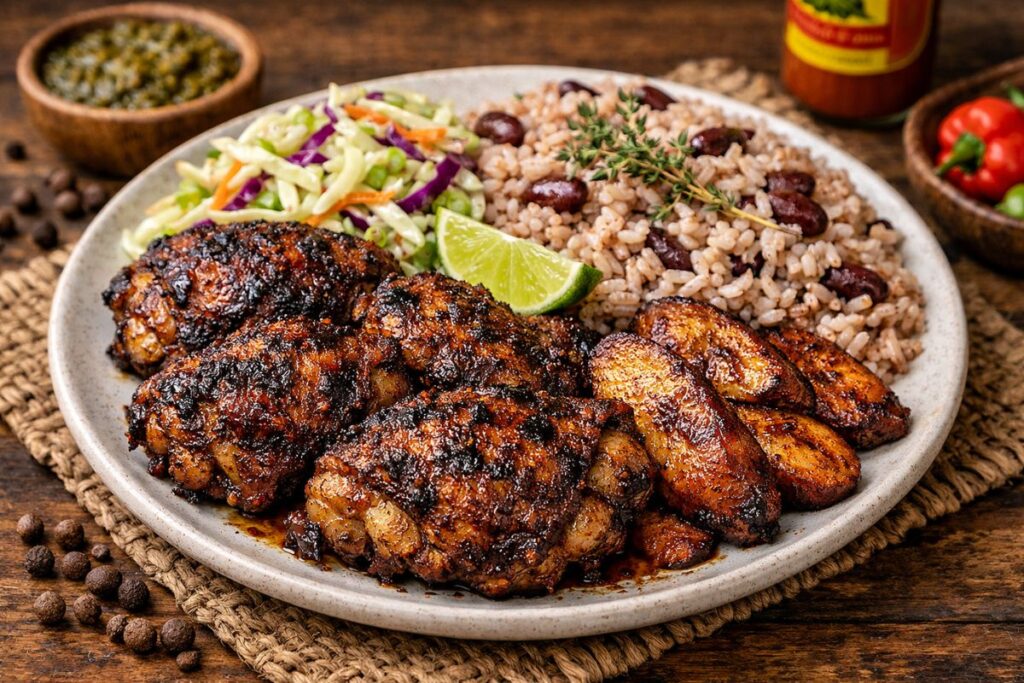
Try this jerk seasoning tonight and let us know if you went dry rub or wet paste—we’d love to hear your rhythm in the kitchen.
Get smarter responses, upload files and images, and more.