A Complete Culinary, Scientific, and Comfort Driven Guide
Introduction —
Every chef has a dish they return to—not for the prestige, but for the profound comfort it offers. For me, that dish is the unassuming, deeply satisfying crock pot pork loin with cream of mushroom soup. It’s a dish that taught me my greatest lesson in the kitchen: that mastery isn’t about complexity, but about understanding simplicity at its core.
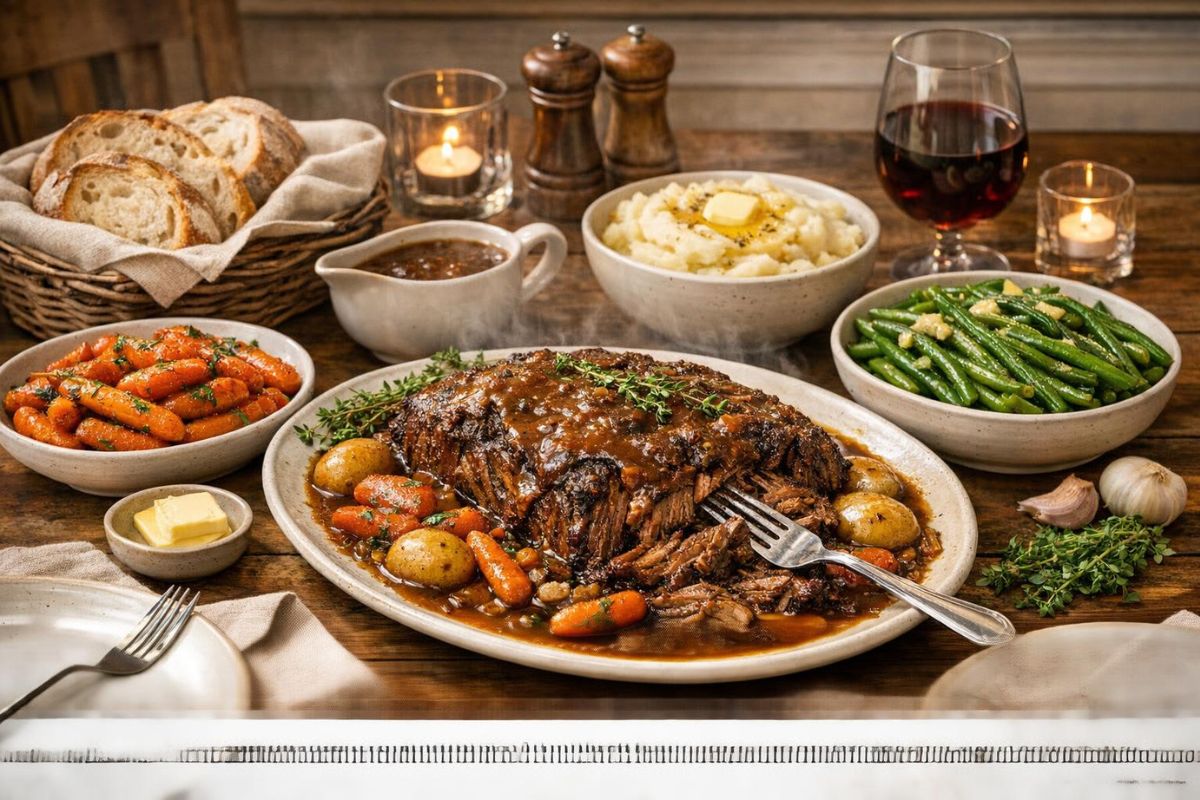
I first truly understood its power not in a bustling, Michelin-starred kitchen, but on a freezing night years ago in a small apartment. I was a young line cook, working brutal hours, constantly chasing the next culinary innovation, convinced that simplicity was the enemy of expertise. My grandmother, however, was a master of simplicity. She called me over one night after a particularly grueling 16-hour shift. The apartment was enveloped in an aroma that was at once earthy, savory, and unbelievably warm—the kind of scent that instantly melts away stress.
She had prepared this dish. Not the slow-braised, wine-soaked French porc aux champignons I was striving for, but this honest, three-ingredient marvel. I remember looking at the creamy sauce, the fork-tender pieces of pork, and the sheer lack of fuss, and I felt a twinge of professional arrogance. She just smiled and told me to taste. That first bite was a revelation. The pork was meltingly tender, the sauce was rich, and the flavor clung to my palate with a warmth no amount of fancy technique could replicate. It was perfect.
In that moment, I realized that true culinary authority is about mastery of flavor, texture, and process. This simple recipe has since become my benchmark for pure comfort cooking and a secret weapon against the culinary burnout that plagues every cook. It’s the foundational lesson I now teach to students, not as a shortcut, but as a crucial study in moisture retention, flavor layering, and the transformative magic of the slow cooker. This is not just a recipe; it’s a lesson in getting the absolute most out of minimal effort.
Why This Recipe Works
⭐ Slow Cooking Unlocks Tenderness
Pork loin is lean and prone to dryness. Slow cooking keeps it in the collagen melting zone for hours, turning tough connective tissue into silky gelatin.
⭐ Cream of Mushroom Soup Protects the Meat
The soup acts as an emulsified moisture shield, preventing dryness while adding umami depth and natural thickness.
⭐ Searing Adds Deep, Complex Flavor
The Maillard reaction creates caramelized, savory compounds that slow cooking alone cannot produce.
⭐ Minimal Ingredients, Maximum Flavor Chemistry
Soy sauce, Worcestershire, salt, and aromatics create a layered, balanced, deeply savory sauce with almost no effort.
⭐ Foolproof and Comforting
Even beginners get tender, flavorful results thanks to the science behind the method.
Ingredient Science Breakdown
To elevate this classic comfort meal, we must understand the “why” behind the primary components. This recipe’s success hinges on a carefully balanced chemical and structural interaction between the pork, the soup, and the seasoning.
The Pork Loin Chop: Collagen and Hydrolysis Structurally, pork loin chops are a relatively lean cut, meaning they contain less intramuscular fat and connective tissue (collagen) than a fattier cut like pork shoulder. This is precisely why high-heat methods often result in dry, tough meat. The slow cooker counters this challenge perfectly. The reason this works is a process called collagen hydrolysis. Collagen begins to break down into gelatin when held between 160°F and 205°F (71°C to 96°C) for several hours.
The slow cooker maintains this critical low temperature zone for hours, dissolving the tough collagen into succulent, moisture-trapping gelatin. This gelatin is what gives the pork its incredibly tender, “fall-apart” texture. Without this controlled, long-duration temperature, the meat simply contracts and dries out. One of the best cooking tips is to never rush this process; the magic is in the time.
Cream of Mushroom Soup: The Umami and Moisture Shield The canned cream of mushroom soup is far more than just a flavor base; it is a structural and chemical powerhouse in this recipe.
Emulsification: The soup is an oil-in-water emulsion. Its viscosity and fat content coat the meat, preventing moisture loss and acting as a physical shield against evaporation, even within the sealed slow cooker environment.
Umami Bomb: Mushrooms are rich in guanylates, a flavor compound that interacts synergistically with the glutamates already present in the pork and seasonings. This creates a deep, satisfying savory flavor known as umami. The soup provides an effortless way to achieve a complex, layered flavor profile without hours of stock reduction.
The Starch Factor: The soup is stabilized with a starch (often modified food starch). This starch thickens the cooking liquid as it heats, creating a luxurious, cohesive gravy without the need for a separate thickening slurry at the end. At a molecular level, the starch granules hydrate and swell, trapping water and increasing the sauce’s viscosity.
Seasoning and Acidity: Flavor Development The addition of dried spices, a touch of acid (like Worcestershire sauce), and a careful layer of salt is vital. Salt’s primary role is not just to season but to facilitate osmosis, drawing moisture into the pork muscle cells and aiding in protein denaturation, resulting in a juicier chop. The hint of acid balances the richness of the cream soup, preventing the final dish from tasting too heavy or one-dimensional. Pay close attention to these structural elements—they are the key to unlocking true expert-level flavor.

Technique Mastery Guide
The difference between a good slow cooker meal and a legendary one lies entirely in the preliminary steps. A slow cooker is a tool of convenience, but it demands respect for fundamental culinary techniques.
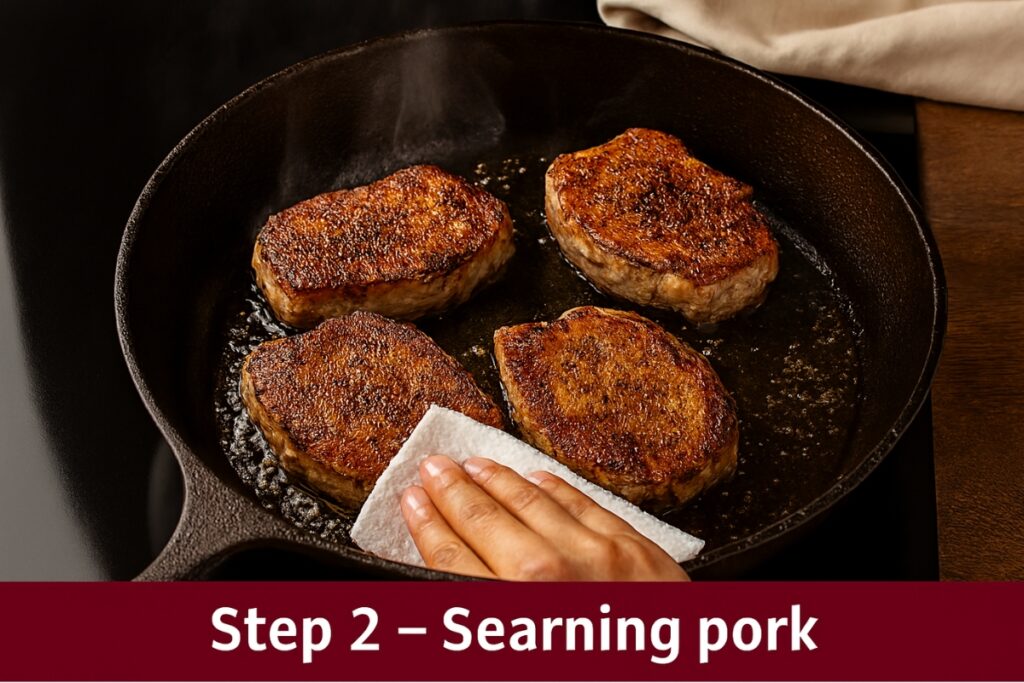
The Maillard Reaction: Searing for Depth of Flavor The most critical step, often skipped for convenience, is searing the pork chops. This is where we create profound flavor that the slow cooker simply cannot achieve. Searing the chops before they go in the slow cooker is crucial because the high heat creates the Maillard reaction, a complex chemical process between amino acids and reducing sugars. This reaction browns the meat, developing hundreds of new flavor compounds that are caramelized, nutty, and savory—a deep flavor base that you can’t get from slow cooking alone.
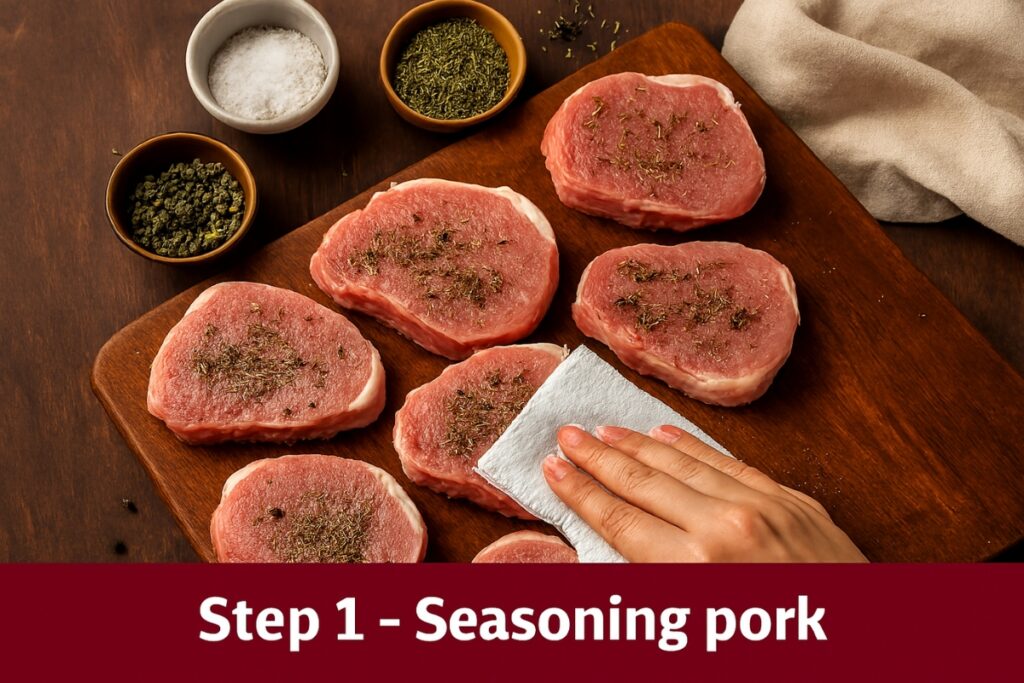
Execution: Pat the pork chops completely dry. Use a high smoke-point fat (like grapeseed or canola oil). Heat your pan until it is just smoking. Sear the meat for 2-3 minutes per side. Look for a rich, dark brown crust that signals optimal caramelization. This creates a crust that will hold up beautifully during the long braise.
Heat Control and Collagen Breakdown Understanding the thermodynamics of your slow cooker is non-negotiable for tender pork loin. Expert kitchen advice dictates a preference for the “LOW” setting.
LOW vs. HIGH: We recommend cooking on LOW for 6-8 hours because the lower, slower temperature allows the collagen in the pork chops to break down gently and completely. The high setting reaches the target temperature more quickly and, while it can work, it creates a narrower margin of error. If you pass the ideal temperature zone too quickly, or if your slow cooker runs slightly hot, you risk the rapid contraction of muscle fibers, which squeezes out moisture and results in dry, stringy meat. The LOW setting provides a gentle, consistent environment for maximum tenderness.
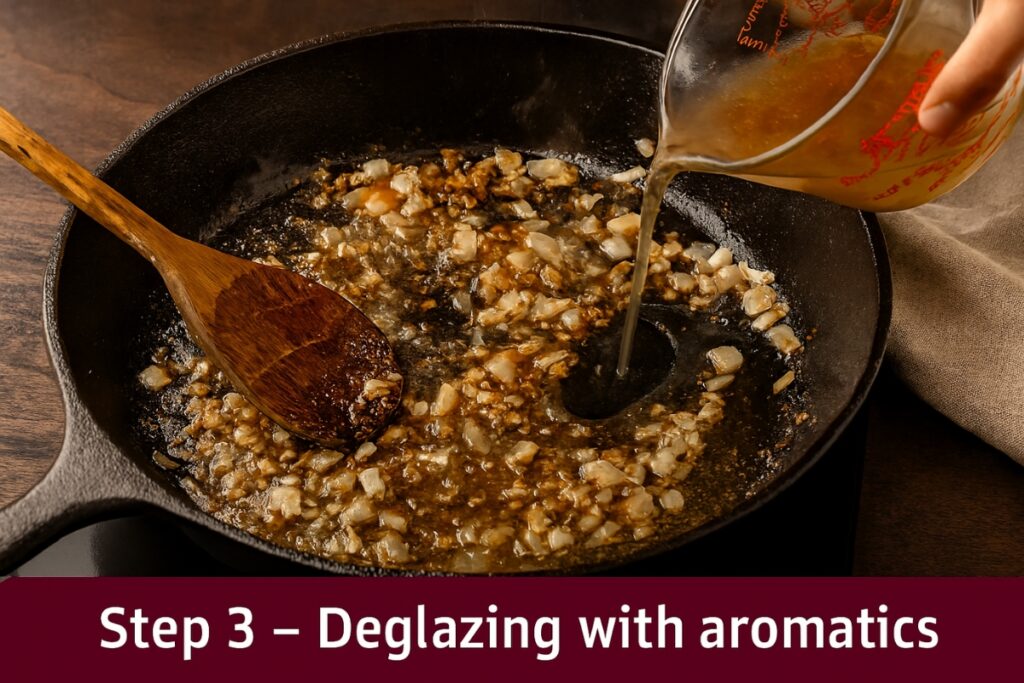
The Deglazing and Fond Layering Before adding your soup and chops to the slow cooker, you must deglaze the searing pan. The brown bits left on the bottom of the pan—the fond—are pure, concentrated Maillard flavor.
Process: After removing the seared chops, add a small splash of cooking liquid (broth or water) to the hot pan. Scrape up every bit of that fond with a wooden spoon. This dissolved flavor compound—this is pure umami—must be added to your slow cooker. It is a fundamental technique for flavor layering and elevates this dish from simple to expert. The gravy’s final consistency check should show a glossy sheen and a uniform thickness.

Common Mistakes + How to Avoid Them
Mastery is often about recognizing and preventing common pitfalls. Here are the most frequent mistakes made when cooking this crock pot pork loin with cream of mushroom soup and how to correct them. This recipe guide is designed to save you from dry pork and bland gravy.
Mistake: Skipping the Searing Step.
The Fix: You lose the flavor foundation if you skip searing. Always take the 5 minutes to sear the pork loin until a deep brown crust forms. If you skip it, you are simply poaching the meat, which results in a pale flavor and softer texture. Instead, do this: Dry, season, and sear on high heat until a proper crust forms.
Mistake: Adding Raw Garlic/Onions at the Start.
The Fix: Do not dump raw aromatics (garlic, onion powder) directly into the slow cooker. They will boil for hours, resulting in a sharp, bitter, or “burnt” taste. Here’s the proper fix: Take two minutes to gently sauté your fresh aromatics until they are translucent and sweet (called sweating) before adding them to the crock pot.
Mistake: Too Much Liquid.
The Fix: The slow cooker creates a closed system; virtually no moisture escapes. Do not add water unless specifically instructed. The cream of mushroom soup and the moisture released from the pork itself are usually sufficient. Instead, do this: If you need more liquid, use broth for flavor, but use it sparingly. Excess liquid will thin the sauce and dilute the flavor concentration.
Mistake: Under-seasoning (Especially Salt).
The Fix: Salt the pork chops before searing and season the sauce before cooking. Salt is crucial for flavor penetration during the long cook time. Here’s the proper fix: Taste and adjust the seasoning before serving; a final pinch of flaky sea salt can be the difference between a good dish and a great one.
Mistake: Cooking on High for Maximum Time.
The Fix: If your pork is dry, you likely overcooked it or cooked it too quickly on high. Always err on the side of caution. Instead, do this: Check the pork loin at the minimum recommended time (e.g., 6 hours on LOW). The meat should be yielding and easily pulled apart with a fork, or register ≈190°F (≈88°C).
The Recipe of Crock Pot Pork Loin with Cream of Mushroom Soup

Crock Pot Pork Loin in Creamy Mushroom Sauce
Equipment
- 1 Equipment:
- 1 – Slow cooker
- 1 – Cast iron skillet
- 1 Cutting board
- 1 Chef’s knife
- 1 Measuring spoons
- 1 – Measuring cup
- 1 Whisk
- 1 – Wooden spoon
- 1 – Paper towels
Ingredients
- 2 lbs boneless pork loin chops
- 1 tbsp olive oil for searing
- 1 tsp kosher salt
- ½ tsp black pepper
- ½ tsp dried thyme
- 1 pcs medium onion diced
- 2 pcs cloves garlic minced
- 1 can 10.5 oz cream of mushroom soup
- ½ cup chicken broth
- 1 tbsp soy sauce
- 1 tbsp Worcestershire sauce
Instructions
- Prep and Season: Pat the pork chops completely dry with paper towels. Season generously on all sides with salt, pepper, and thyme.
- Searing (Critical Step): Heat the oil in a heavy-bottomed pan (cast iron preferred) over medium-high heat until it shimmers. Sear the pork chops for 2–3 minutes per side until a rich brown crust (Maillard reaction) is achieved. Stop when the surface begins to caramelize. Remove the chops and set aside.
- Deglazing and Aromatics: Reduce the heat to medium. Add the minced garlic and diced onion (if using) and sauté for 2 minutes until translucent. Add 1/4 cup of the broth to the hot pan and scrape up all the fond (browned bits) from the bottom.
- Sauce Base: In a separate bowl, whisk together the cream of mushroom soup, remaining broth, soy sauce, and Worcestershire sauce. Pour this mixture into the slow cooker.
- Layering: Place the seared pork chops directly into the sauce. Pour the deglazing liquid (with aromatics) from the pan over the top.
- Slow Cook: Cover and cook on LOW for 6–8 hours or HIGH for 3–4 hours. We recommend LOW for maximum tenderness.
- Rest and Serve: The pork is ready when it is falling apart with minimal pressure. Remove the chops and let them rest briefly. Taste the sauce and adjust salt and pepper if necessary. Serve the chops whole or shredded, smothered with the rich mushroom gravy.
Video
Notes
Pro Chef Tips & Troubleshooting
The Temperature Indicator: For maximum tenderness, your pork loin should reach an internal temperature of 190°F to 200°F (88°C to 93°C). While 145°F is safe, the higher range is necessary for the collagen to fully dissolve into gelatin, creating the signature shredded texture.
Chef’s Substitution for Flavor Profile: You can substitute Cream of Chicken soup for Cream of Mushroom, but be aware the flavor profile will become lighter and less savory. If you don’t have soy sauce, a splash of Worcestershire sauce works as a good salty umami substitute.
Sauce Correction (Thickness): If your gravy is too thin at the end, remove the lid and switch the slow cooker to HIGH for the last 30 minutes to allow some moisture to evaporate. Alternatively, remove the pork, stir in 1 tbsp of cornstarch mixed with 2 tbsp of cold water (a slurry), and cook for 15 minutes until thickened.
Meat Correction (Toughness): If your pork chops didn’t shred easily, it likely means they need more time. Toughness at the end indicates the collagen has not fully broken down. To fix this, keep the chops submerged in the liquid and cook for another 60–90 minutes on LOW. The collagen just needs time to finish its conversion to gelatin.
If you enjoy cozy crock‑pot meals, you’ll love my Easy Delicious Crock-Pot Italian Chicken & Orzo, another comforting dinner that practically cooks itself.
For more comfort‑food inspiration, check out my Crispy Mac and Cheese: Golden Sheet Pan Comfort, a reader favorite for weeknight cravings.
Learn how browning creates flavor and what happens chemically when meat is seared:
👉 The Maillard Reaction Explained – Chef’s Binge
For a deeper scientific dive into flavor vs. safety:
👉 Food Safety Institute – Maillard Reaction: Flavor and Toxicity
Closing Reflection
The journey to master the crock pot pork loin with cream of mushroom soup is a testament to the elegant simplicity of culinary science. We started with a basic, beloved dish and, through careful attention to Maillard browning, controlled heat, and flavor layering, elevated it to a professional-grade meal.
This recipe is more than a set of steps; it is a lesson in patience and precision. It proves that the true heart of cooking doesn’t lie in the difficulty of the task, but in the depth of understanding—the “why.” When you know that searing develops flavor through an amino acid-sugar reaction, and that the “LOW” setting breaks down collagen into succulent gelatin, you are no longer just a home cook; you are a culinary expert.
I hope this guide empowers you to approach every recipe with a renewed sense of curiosity and confidence. Go ahead, fill your kitchen with that warm, savory aroma. Serve a dish that speaks of comfort, confidence, and culinary authority. After all, the very best meals are those that teach us something new while delivering something deeply familiar and reassuring. Enjoy the tender, rich rewards of your newly mastered technique.
Every cook has a dish they return to for comfort. What’s yours—and why does it matter to you?
I read every comment and love discovering the foods that feel like home to you.
FAQ — Expert Answers to Common Questions
Can I use pork shoulder instead of pork loin?
Yes. Pork shoulder contains more fat and collagen, so it becomes even more tender. You may need an extra hour on LOW.
Can I skip the searing step?
You can, but you’ll lose a huge amount of flavor. Searing creates the Maillard reaction, which adds depth and richness that slow cooking alone cannot achieve.
Can I use cream of chicken soup instead of cream of mushroom?
Yes. The flavor will be lighter and less earthy. Add a splash of soy sauce or sautéed mushrooms to maintain umami depth.
Why is my pork loin dry?
Dryness usually means the pork cooked too quickly or wasn’t cooked long enough for collagen to fully break down. Always use LOW and check tenderness at the 6-hour mark.
How do I thicken the gravy?
Remove the lid and cook on HIGH for 20–30 minutes or stir in a cornstarch slurry (1 tbsp cornstarch + 2 tbsp cold water).
Can I add vegetables?
Yes. Carrots, potatoes, and mushrooms work well. Place them at the bottom so they cook evenly.
Can I make this ahead?
Absolutely. The flavors deepen overnight. Reheat gently on the stovetop or in the slow cooker on WARM.
Can I shred the pork instead of serving whole chops?
Yes. Once the pork reaches 190–200°F, it will shred easily. Mix it back into the gravy for a pulled pork style dish.