Introduction
The first time I tasted Korean BBQ Tacos, I was standing beside a food truck on a warm evening in Los Angeles, watching a line of people forming almost instinctively—like they all knew something extraordinary was happening inside that tiny metal kitchen. When I finally held the taco in my hands, the aroma alone told the whole story: smoky-sweet bulgogi heat mingling with toasted corn tortillas, crisp vegetables chilled from the night air, and a drizzle of something tangy, fiery, and completely new to me at the time. That bite changed the way I understood fusion cooking forever.
As a chef who has always been fascinated by how cultures communicate through food, this Korean taco dish struck me as a culinary handshake between Korean grilling traditions and the informal joy of street tacos. I went home determined to recreate that perfect balance—tender marinated beef with deep caramelization, bright acidity cutting through fat, and a tortilla that supports without overshadowing. More importantly, I wanted to understand why it worked so well.
That led me into a deep dive: the chemistry behind gochujang, the structure of bulgogi marinades, the heat management required for that unmistakable char, and the textures that make a taco truly satisfying. Today, Korean BBQ Tacos remain one of the dishes I return to whenever I want to remind myself—and my students—how technique and storytelling intertwine on the plate.

Ingredient Science Breakdown
If you’ve ever wondered why this recipe delivers such dynamic flavor, the answer lies in the chemistry and structure of its components. Korean BBQ Tacos may seem effortless when assembled, but each ingredient plays a precise role and influences the final texture, aroma, and depth of flavor. This is where true culinary understanding begins—beyond the recipe and into the science.
The Korean Taco Marinade: Balancing Enzymes, Acids, and Sugars
The marinade is the foundation of Korean Beef Tacos and owes much of its effectiveness to the interplay between sugar, acid, and enzyme-rich ingredients.
- The reason this works is that pear or apple puree contains natural proteolytic enzymes, which gently tenderize beef by breaking down connective tissue.
- Soy sauce supplies glutamates, giving the dish savory, mouth-filling umami.
- Brown sugar or honey participates in caramelization and the Maillard reaction, allowing beef to brown deeply when exposed to high heat. Without adequate sugar, you lose that signature bulgogi char.
- Rice vinegar or citrus provides acidity that brightens the entire dish, cutting through richness and activating salivation—a key aspect of flavor perception.
Structurally, this combination ensures the beef remains juicy while developing a lacquered surface when cooked fast and hot.
Gochujang: Fermentation, Depth, Heat
When creating Gochujang Tacos, understanding gochujang at a molecular level is essential. Gochujang’s fermented soybean base builds savory complexity, while its starches and sugars caramelize beautifully under heat. Its viscosity also thickens sauces naturally, eliminating the need for additional starch.
Fat: The Conduit for Flavor
Fat is not just richness—it’s a carrier. Sesame oil, used sparingly, provides aromatic volatility; many of its compounds vaporize quickly when heated, which is why even a small amount perfumes the entire dish. Meanwhile, intramuscular fat in thin-sliced beef helps lock in moisture during quick searing, preventing dryness.
Tortillas: Structural Science
Corn tortillas offer starch-based elasticity that withstands moisture better than flour, giving Kogi Taco Recipe–style creations their signature chew. Brief toasting reorganizes starch molecules (retrogradation), strengthening structure so the tortilla won’t tear under juicy fillings.
Vegetable Components
Pickled radish, shredded cabbage, and scallions add more than crunch. Their water content and acidity create contrast, cleansing the palate between bites. This balance—fat, acid, heat, and texture—is what keeps Korean BBQ Tacos exciting from start to finish.
When you understand the science, every step becomes intentional. These aren’t just cooking tips—they are the technical truths that make this dish extraordinary.
Technique Mastery Guide
Korean BBQ Tacos reward cooks who treat technique with respect. Even the best marinades can’t compensate for poor heat control or rushed preparation. This section functions like having a chef beside you, offering expert kitchen advice to guide your hands and intuition.
Slicing for Success
Begin by slicing beef across the grain into thin, uniform strips. Thickness should be no more than ⅛ inch. The tactile indicator: each slice should drape loosely over your finger without stiffness. Uniformity ensures even cooking and consistent browning.
Marinade Integration
Mixing the marinade isn’t just about coating. Use your fingers to lightly massage it into the meat, encouraging penetration. The mixture should feel slightly tacky due to sugars and fruit enzymes. If it feels watery, you lack viscosity—adjust with an extra teaspoon of gochujang.
Heat Management: Your Most Critical Variable
To achieve bulgogi-style char, you need high, even heat. Stainless steel or cast iron pans excel here. Preheat until you see a soft shimmer on the surface.
If you hear a soft crackle when the first piece touches the pan, the heat is perfect.
Crowding the pan will steam the meat, preventing caramelization, so cook in small batches. Each slice should sizzle instantly and take on a glossy sheen as sugars begin to concentrate.
Sauce Reduction
If you’re preparing a gochujang-based finishing sauce, watch for bubbles that grow slower and larger—this tells you water has evaporated and sugars are thickening. Stop when the surface begins to caramelize at the edges for the best flavor concentration.
Tortilla Toasting: Small Step, Big Impact
Warm tortillas directly over an open flame or a dry skillet. Look for browning spots and a faint blister—this quick reorganization of starch sets the structure and deepens flavor. The tortilla should feel pliable yet sturdy.
Balancing Assembly
Build tacos in layers: tortilla → beef → crunchy vegetables → sauce → herbs. This maintains integrity while ensuring each bite progresses from warm to bright to spicy.
Plating with intent matters: cluster tacos rather than spacing them out; this captures rising aromatic steam, making the first bite more fragrant.
Master these techniques and you’ll turn the simple concept of Korean BBQ Tacos into something elevated, deliberate, and memorably crafted.
Common Mistakes + How to Avoid Them
Even seasoned cooks stumble on a few recurring issues when making fusion dishes like Bulgogi Tacos. Consider this your practical, chef-informed correction guide.
Mistake 1: Cooking Over Low Heat
Low heat leads to steaming rather than searing. Instead, preheat your pan until just shy of smoking. High heat enables rapid browning and keeps the interior tender.
Mistake 2: Overseasoning the Marinade
Gochujang, soy sauce, and sesame oil are potent. Overseasoning can overwhelm the beef’s natural flavor. Here’s the proper fix: taste a small amount of the marinade before adding it to the meat. It should be balanced enough to enjoy on a spoon—salty but not sharp.
Mistake 3: Overmixing the Beef
Handling the beef too aggressively can cause muscle fibers to compress, resulting in toughness. Instead, mix gently until just combined; the mixture should feel flexible and slick, not compacted.
Mistake 4: Using Cold Meat in the Pan
Cold beef reduces pan temperature instantly, sabotaging caramelization. Bring marinated meat to room temperature for 15 minutes before cooking.
Mistake 5: Choosing the Wrong Tortilla
Flimsy tortillas break under moisture. Warm and lightly toast them to strengthen structure. Or use two tortillas stacked—a classic taco technique.
Avoiding these pitfalls transforms your dish from experimental fusion to polished restaurant-level cooking. And this recipe guide is your blueprint for success.
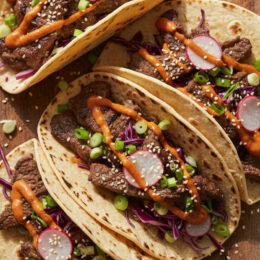
Korean BBQ Tacos
Equipment
- 1 Mixing bowl
- 1 Grater (for pear/apple)
- 1 Cutting board
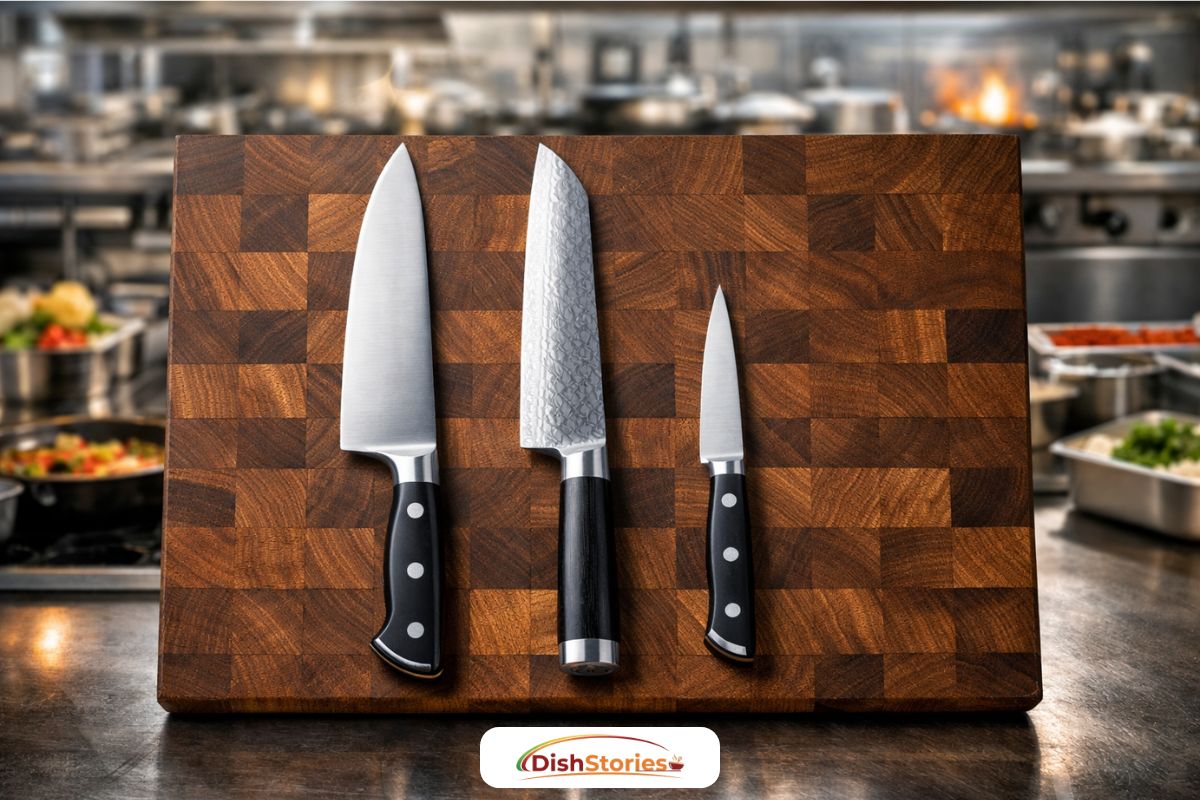
- 1 Chef’s knife
- 1 Cast iron skillet (or heavy skillet)
- 1 Tongs
- 1 Spoon or spatula (for stirring marinade)
- 1 Small bowl (for crema)
- 1 Whisk or fork (to mix crema)
- Serving plates
Ingredients
- 1 lb thinly sliced beef ribeye or sirloin
- 1 pcs small Asian pear or apple, grated
- 3 tbsp soy sauce
- 2 tbsp brown sugar
- 1 tbsp 1–2 tbsp gochujang (adjust for heat)
- 1 tbsp rice vinegar
- 2 cloves garlic, minced
- 1 tsp ginger, minced
- 1 tsp sesame oil
- 8 pcs Corn tortillas (8–12)
- 1 cup Shredded cabbage
- 1/2 cup Pickled radish or quick-pickled onions
- 3 pcs Sliced scallions
- 2 tsp Sesame seeds
- 2 pcs Lime wedges cut into wedges
(Optional) Gochujang crema: mayo + gochujang + lime
- ¼ cup mayonnaise
- 1–1½ tbsp gochujang (adjust for heat)
- 2 tsp lime juice, freshly squeezed
Instructions
- Combine pear, soy sauce, sugar, gochujang, vinegar, garlic, ginger, and sesame oil.
- Add beef and gently massage marinade into meat. Rest 20–30 minutes.
- Heat a cast iron skillet until shimmering.
- Sear beef in small batches. Stop when edges caramelize and the center appears glossy.
- Warm tortillas over open flame or dry skillet until lightly blistered.
- Assemble: tortilla → beef → cabbage → radish/onions → scallions → sesame seeds → crema.
- Serve with lime wedges.
Video
Notes
1. For perfect sear: Cook beef at 450–500°F surface temperature.
2. Substitution science: Swap beef for mushrooms; their natural glutamates mimic umami structure.
3. Storage: Refrigerate beef separately; reheat fast over high heat to avoid moisture loss.
4. Advanced flavor layering: Add a dash of fish sauce to the marinade for deeper umami without altering sweetness.
Pro Chef Tips
- For perfect sear: Cook beef at 450–500°F surface temperature.
- Substitution science: Swap beef for mushrooms; their natural glutamates mimic umami structure.
- Storage: Refrigerate beef separately; reheat fast over high heat to avoid moisture loss.
- Advanced flavor layering: Add a dash of fish sauce to the marinade for deeper umami without altering sweetness.
Closing Reflection
Every time I prepare Korean BBQ Tacos, I’m reminded that food is both memory and craft. The aromas take me back to that LA food truck, but the techniques reflect years of learning, refining, and teaching. Cooking dishes like this teaches us more than how to follow steps—it reveals how flavors behave, how heat transforms, how ingredients interact, and how intuition grows with experience.
Mastering a recipe like this reminds you that you’re capable of more than assembling dinner. You’re interpreting tradition, exercising curiosity, and expressing creativity. When you understand why caramelization matters or how marinade components tenderize meat, you cook with intention—not guesswork. And that intention is where confidence is born.
Whether you’re preparing a casual dinner, hosting friends, or exploring new cuisines, let dishes like these guide you toward deeper culinary fluency. Fusion isn’t about novelty; it’s about respect—honoring the roots of bulgogi while embracing the laid-back comfort of tacos. When you approach cooking with both technique and heart, every meal becomes meaningful.
So next time you set out your cutting board and fire up your skillet, remember that there’s a story behind every flavor, and you’re the storyteller now. Let these Korean BBQ Tacos be an invitation to explore, experiment, and enjoy the journey.
If you enjoy bold fusion flavors, try my Easy Gochujang Salmon Recipe with a Korean Twist for another quick, vibrant weeknight dish.
If you love creative cross-cultural recipes, don’t miss my Best Marry Me Shrimp Pasta: Bangladeshi Fusion.
Reader Q&A
Can I make these tacos ahead of time?
Prep components separately. Warm tortillas and cook beef right before serving for best texture.
What if I don’t have gochujang?
Mix chili paste with miso + honey. It won’t be identical, but it preserves the chemistry of heat + fermentation + sweetness.
Can I use chicken instead of beef?
Yes—use thigh meat and reduce cooking time to prevent dryness.