The Garden Thief’s Reward
For most of my childhood, carrots were the quietest vegetable on the table. They appeared everywhere yet never felt memorable—floating in soup bowls, tucked beside roasted chicken, or forgotten as raw sticks in school lunches.
Then one afternoon changed everything.
It happened in my grandmother’s kitchen, the place where simple ingredients often turned into small culinary surprises. I had come in from the garden carrying a few crooked carrots I had pulled from the soil myself. To me, they were just vegetables destined for boiling water and a sprinkle of salt.
But she had a different approach.
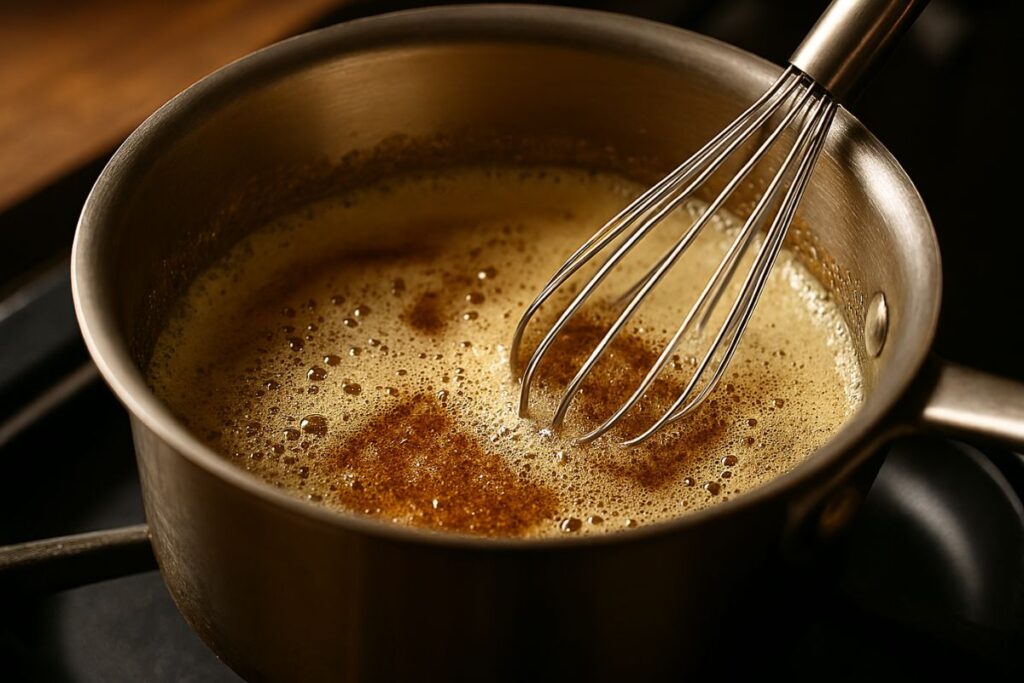
Instead of reaching for a pot, she placed a small saucepan on the stove and dropped in a thick slice of butter. As it melted, she stirred slowly, watching carefully as the color deepened from pale yellow to warm gold.
Soon the butter began to foam.
Then the aroma changed—rich, nutty, and toasted.
The kitchen suddenly smelled far more exciting than a pot of boiled vegetables ever could.
“This,” she told me, “is when the flavor begins.”
Next came the honey. A thin golden ribbon poured into the browned butter, and the fragrance shifted again. Sweet and floral notes filled the room, turning the humble kitchen into something that felt closer to a pastry shop.
The carrots were coated in the warm glaze and slid into the oven.
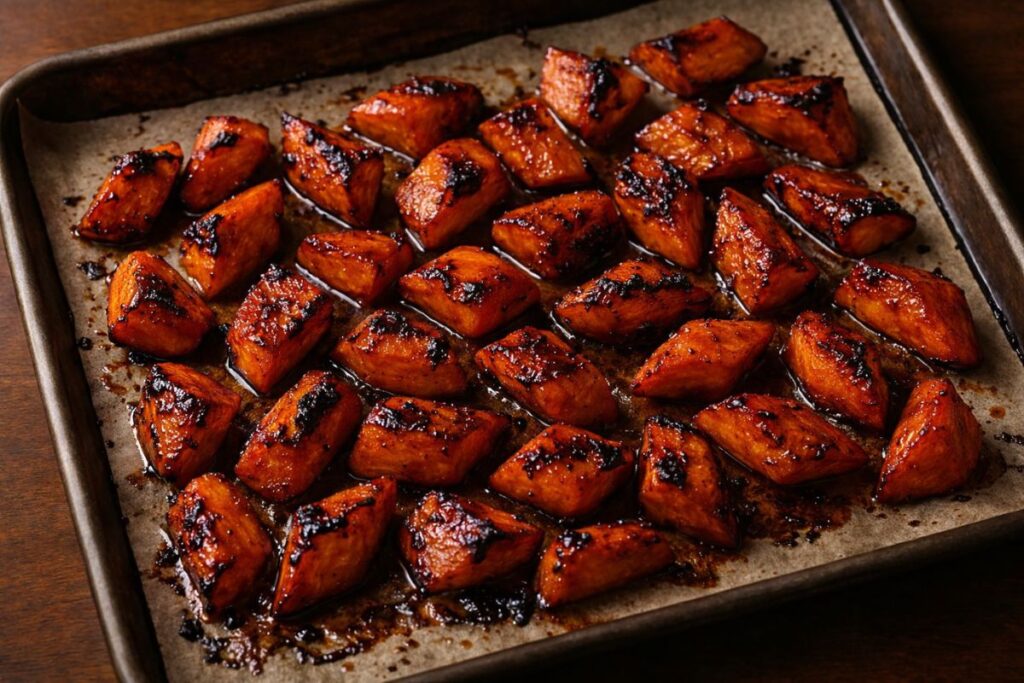
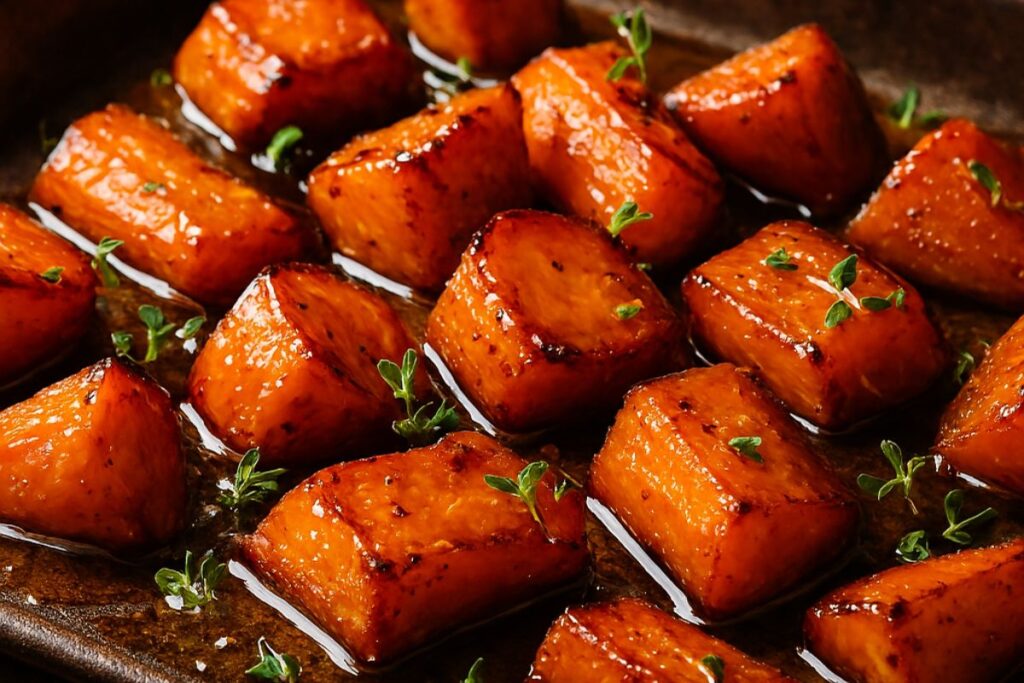
When they emerged, they looked transformed. The surfaces glistened, their edges darkened with caramelized spots, and the glaze clung to them like amber.
My first bite was a surprise.
The carrots were tender, naturally sweet, and layered with a nutty richness from the butter. It felt less like eating a vegetable and more like tasting a delicate side dish designed to steal the spotlight.
That moment changed how I looked at carrots forever.
At Dish Stories, we believe every ingredient has a “best version” of itself. For carrots, that version often appears in Honey Glazed Carrots, where gentle sweetness meets the depth of browned butter and oven heat.
It’s proof that even the simplest vegetable can become something special.
The Best Way to Get Roasted Carrots Caramelized
Many recipes for simple honey glazed carrots promise glossy results but deliver soft, watery vegetables instead. The difference between average and exceptional carrots comes down to a few key techniques.
Great Honey Glazed Carrots rely on three things:
- Proper cutting
- Managing moisture
- Balanced roasting heat
When these elements work together, the carrots develop beautifully caramelized edges while staying tender inside.
Smart Cutting for Better Caramelization
How you slice carrots affects how they cook.
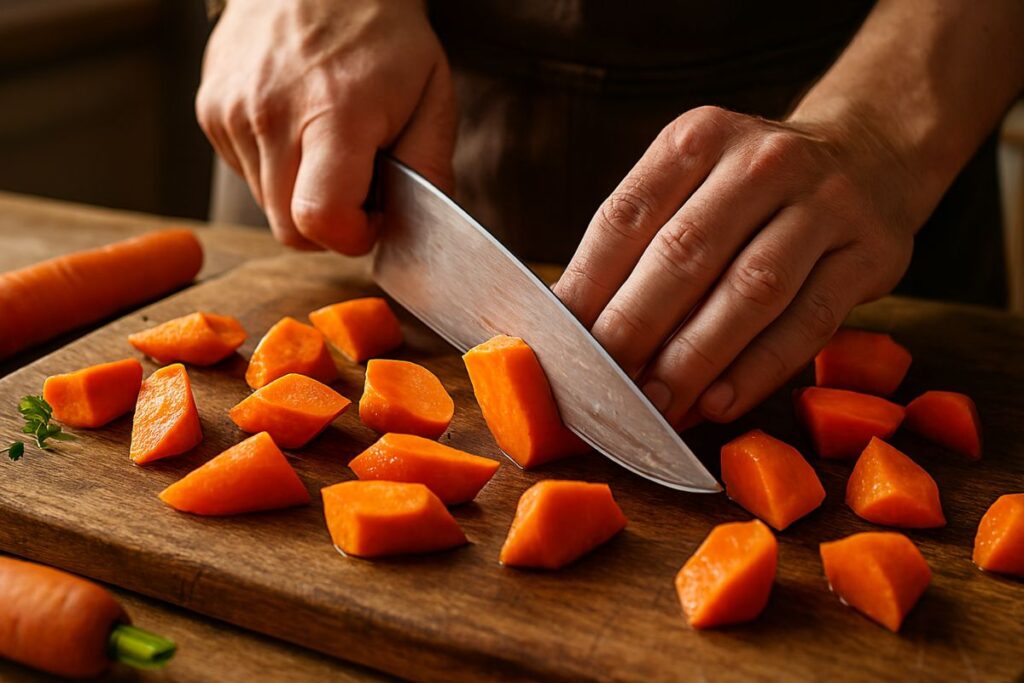
Professional cooks often use a technique known as the Rangiri cut. Instead of cutting straight rounds, the carrot is rolled slightly after every angled slice. The result is a series of uneven shapes.
Why does that matter?
Those irregular edges give the glaze more places to cling and caramelize during roasting. Think of each edge as a tiny flavor-catching surface.
If you prefer using baby carrots for baked glazed carrots with honey, simply keep them whole but dry them well before roasting.
Removing excess moisture helps the glaze stick and brown properly.
The Two-Stage Roasting Method
To create truly flavorful Honey Glazed Carrots, roasting works best in two stages.
Stage One: Softening
The carrots begin cooking while coated in glaze, allowing heat to soften the center.
Stage Two: Caramelizing
As moisture evaporates, the honey thickens and begins to darken. This creates those glossy, golden patches that make roasted vegetables so appealing.
During this stage, the Maillard reaction begins—an important cooking process that produces deep roasted flavors and subtle sweetness.
The result is exactly what you want: roasted carrots caramelized on the outside while tender inside.
Brown Butter: The Flavor Booster
Butter alone makes vegetables richer, but browning it adds another layer of flavor.
As butter cooks, the milk solids begin to toast and develop a nutty aroma. French cooks call this technique Beurre Noisette, or “hazelnut butter,” because of its warm fragrance.
In Honey Glazed Carrots, brown butter serves an important role. Its savory depth balances the sweetness of honey, creating a glaze that tastes complex rather than overly sugary.
This small extra step turns an everyday side dish into something restaurant-worthy.
Preparing Multiple Vegetables at Once
If you’re roasting several vegetables for dinner, timing is essential. Root vegetables like carrots require more cooking time than delicate stalks.
For instance, Honey Glazed Carrots can share oven space with dishes such as Oven Roasted Asparagus—but the asparagus should be added later to prevent overcooking.
Planning the timing ensures every vegetable finishes perfectly.
Planning a Balanced Dinner
These carrots work beautifully alongside savory proteins.
For a classic pairing, serve them with grilled or roasted steak. If you’re unsure about cooking temperatures, a resource like Steak Doneness Guide can help ensure the steak and sides are ready at the same time.
The sweetness of honey roasted carrots pairs particularly well with rich meats.
Pairing Beyond Traditional Roasts
Although often served with Western meals, Honey Glazed Carrots also complement spice-forward dishes.
Their gentle sweetness contrasts nicely with the aromatic flavors in Kolkata Chicken Dum Biryani, creating a balanced plate of savory, sweet, and fragrant elements.
Choosing the Right Honey
Different honeys create slightly different flavor profiles in Honey Glazed Carrots.
- Buckwheat honey – deep, bold, and slightly smoky
- Clover honey – light, floral, and mild
Choosing the right honey matters because it shapes the sweetness and aroma of the glaze. For a deeper, more robust flavor, buckwheat honey works beautifully. If you prefer a lighter sweetness, clover honey is an excellent choice.
To explore how different honey varieties affect flavor and cooking, you can read more at
Bee Culture’s guide to honey varieties:
The Nutrition Bonus
Carrots are famous for their high beta-carotene content, an antioxidant the body converts into Vitamin A. This nutrient supports eye health, immune function, and healthy skin.
Interestingly, roasting carrots can actually make these nutrients easier for the body to absorb. Heat softens the vegetable’s cellular structure, helping release beneficial compounds during digestion.
According to research summarized by The World’s Healthiest Foods, cooked carrots may provide more bioavailable beta-carotene than raw ones.
You can learn more about carrot nutrition here:
So these simple honey glazed carrots aren’t just flavorful—they’re also a nutritious addition to your meal.
Honey Glazed Carrots Recipe Card
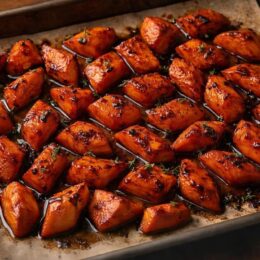
Honey glazed carrots
Equipment
- 1 Large rimmed baking sheet
- 1 Small saucepan
- 1 Parchment paper
- 1 Mixing bowl
Ingredients
Carrots
- 2 lbs 900 g carrots, peeled and cut into chunks
Glaze Base
- 4 tbsp 56 g unsalted butter
Sweetener
- 3 tbsp 45 ml raw honey
Flavor Balance
- 1 tsp 5 ml apple cider vinegar
- 1 tbsp fresh thyme leaves about 3 g
Seasoning
- ½ tsp sea salt 3 g
- ¼ tsp cracked black pepper 1 g
Instructions
Preheat the Oven
- Set the oven to 400°F (200°C) and line a baking sheet with parchment paper.
Prepare the Brown Butter
- Melt the butter in a saucepan over medium heat. Continue whisking until the butter foams and develops a golden color with a nutty aroma.
Create the Glaze
- Remove the pan from heat and whisk in the honey, vinegar, salt, and pepper.
Coat the Carrots
- Place the carrots in a mixing bowl and toss with about ¾ of the glaze.
Roast the Carrots
- Spread them across the baking sheet in a single layer and roast for 20 minutes.
Finish the Caramelization
- Drizzle the remaining glaze over the carrots, toss gently, and roast for another 5–10 minutes until lightly caramelized.
Garnish and Serve
- Sprinkle with fresh thyme before serving.
Video
Notes
Nutrition (Per Serving)
Calories: 145 kcalCarbohydrates: 18 g
Fiber: 4 g
Vitamin A: 340% Daily Value The embedded video is not this exact recipe; it’s included only as a general guideline.
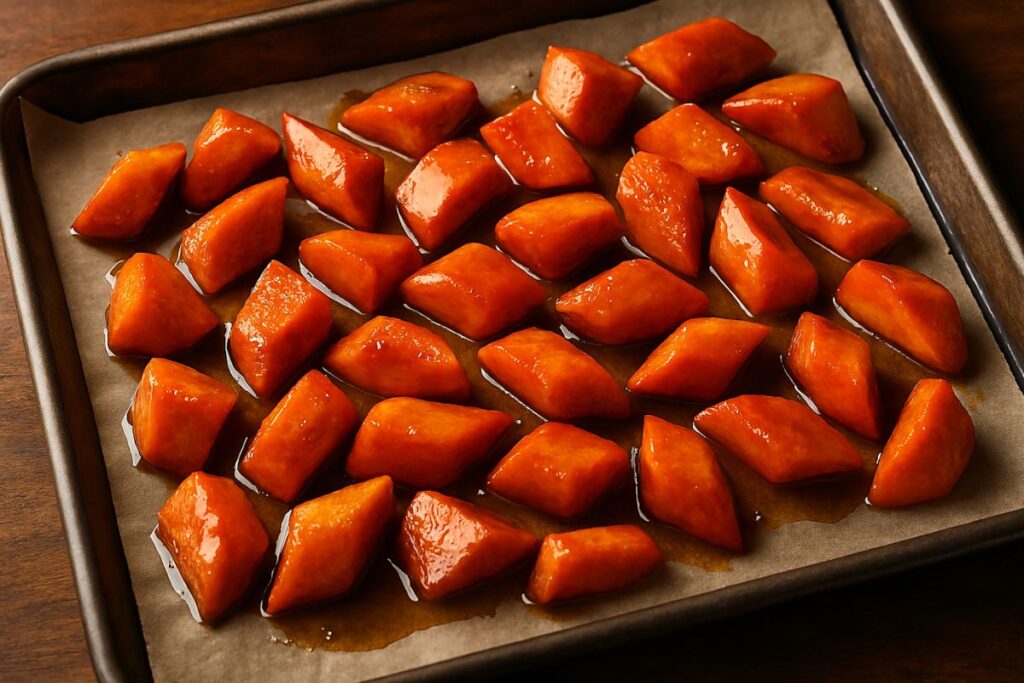
Honey Glazed Carrots FAQ’s
Can I use baby carrots?
Yes. Baby carrots work well for Honey Glazed Carrots, but they tend to hold more moisture. Dry them thoroughly before roasting so the glaze adheres properly.
Why add vinegar to the glaze?
The vinegar provides a subtle acidity that balances the sweetness of the honey and the richness of the butter.
Can these carrots be prepared ahead of time?
You can peel and cut the carrots up to two days in advance and store them in the refrigerator until ready to cook.
What’s the best way to reheat them?
To keep the caramelized texture, reheat the carrots in a 400°F (200°C) oven for about 5 minutes instead of using a microwave.