The Aroma That Stops the Room
The first thing people notice about this roast pumpkin salad isn’t the color—although that comes a close second—it’s the aroma.
That deep, almost nutty sweetness that blooms when pumpkin hits hot air at just the right temperature. It fills the kitchen in slow waves, curling around doorframes and drifting into conversation. On the evening this salad was first served at my table, the oven door had barely opened before someone asked, “What is that smell?”
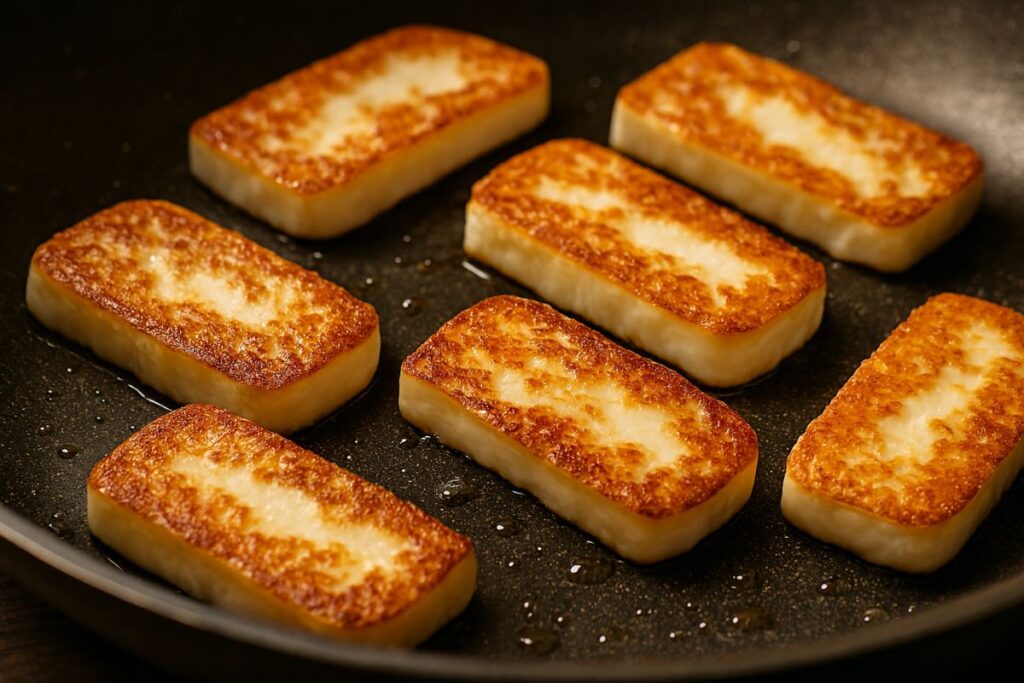
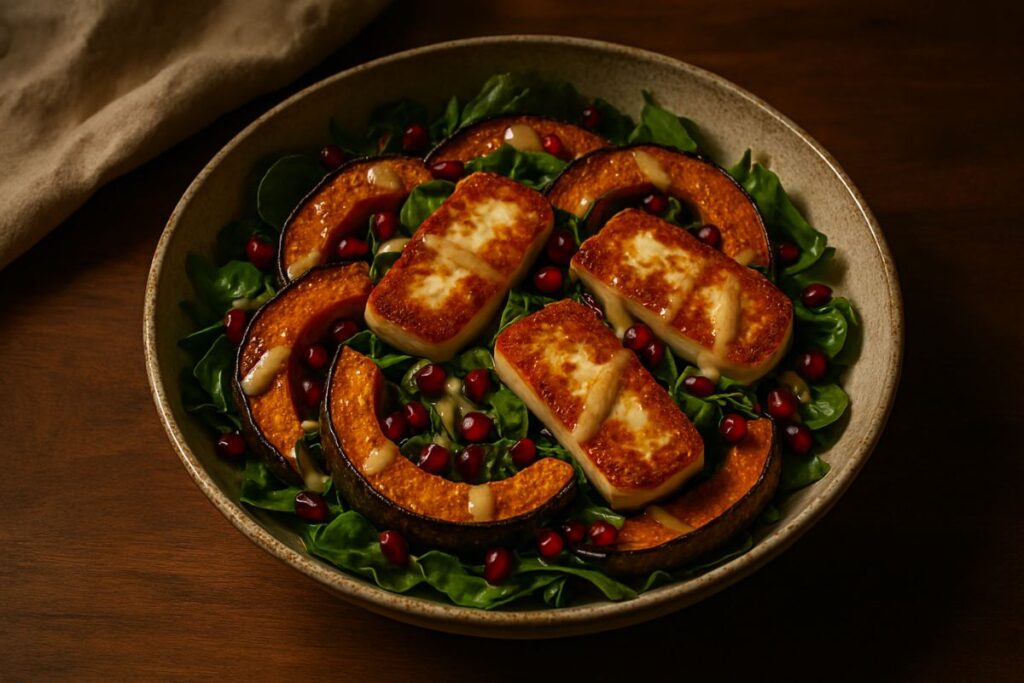
The tray came out glowing. Burnished orange pumpkin, edges caramelized to the point of near-crackle, scattered with olive oil and sea salt. Against it, a tumble of dark greens waited patiently, ready to be warmed but not wilted. And then there was the halloumi—golden slabs resting in the pan, releasing that unmistakable, gentle squeak as they were turned.
That squeak became the conversation starter.
People always comment on it. Someone always laughs the first time they hear it. Halloumi has that effect—it’s playful, surprising, and just different enough to feel special without being intimidating. When it finally met the pumpkin, finished with a drizzle of maple-tahini dressing and a scatter of ruby-red pomegranate jewels, the table went quiet in the way cooks secretly love.
I started calling it the “Sunset” Roast Pumpkin & Halloumi Salad because that’s exactly what it looks like: warm oranges fading into deep greens, punctuated with flashes of red, like the last five minutes of daylight before evening settles in. It’s hearty enough to anchor a dinner, vibrant enough for a gathering, and comforting without ever feeling heavy.
This isn’t just a salad. It’s a moment—one built on technique, balance, and a little bit of kitchen confidence.
Ingredient Masterclass: Building a Perfect Roast Pumpkin Salad
A truly memorable roast pumpkin salad starts long before the oven is switched on. It begins with understanding why each ingredient earns its place on the plate.
The Pumpkin: Why Kabocha or Kent Wins
Not all pumpkins are created equal, especially when roasting. Kabocha and Kent pumpkins are ideal because their skins are not only edible but transform beautifully in high heat. Instead of turning leathery, the skin crisps, adding texture and depth. Their flesh is dense, sweet, and low in water content—key factors in avoiding soggy results.
Pumpkin is also rich in beta-carotene, which the body converts into Vitamin A—an essential nutrient for vision, immune health, and skin function. According to the Harvard Nutrition Source, foods rich in beta-carotene support overall cellular health and help combat oxidative stress.
The Halloumi: A Cheese That Defies the Pan
Halloumi is the backbone of this pumpkin halloumi salad. Its famously high melting point means it doesn’t collapse into a puddle when heated. Instead, it sears, browns, and develops a crisp exterior while staying satisfyingly firm inside. That’s the magic.
When cooked properly, halloumi brings saltiness, chew, and umami—three elements that pumpkin alone can’t provide.
The Greens: Structure and Contrast
Peppery rocket or baby spinach works best here. You want something sturdy enough to hold up under warm ingredients but tender enough to remain fresh.
The Dressing: Balance Above All
A great salad dressing for pumpkin salad must do one thing exceptionally well: cut through richness. Roasted pumpkin is sweet, halloumi is salty and fatty—without acidity, the dish falls flat. That’s why maple and tahini are paired with lemon juice or apple cider vinegar. Sweet, bitter, nutty, and sharp in one spoonful.
For a hearty and easy vegetable side, check out our 5-Ingredient Baked Cabbage Boil Recipe (The Ultimate Oven Method).
The Finishers
Pomegranate seeds aren’t just garnish. They add acidity, crunch, and visual contrast. Toasted nuts—walnuts or pepitas—reinforce the autumnal feel while adding healthy fats.
The Deep Dive: Technique That Makes It Exceptional
The Caramelization Phase
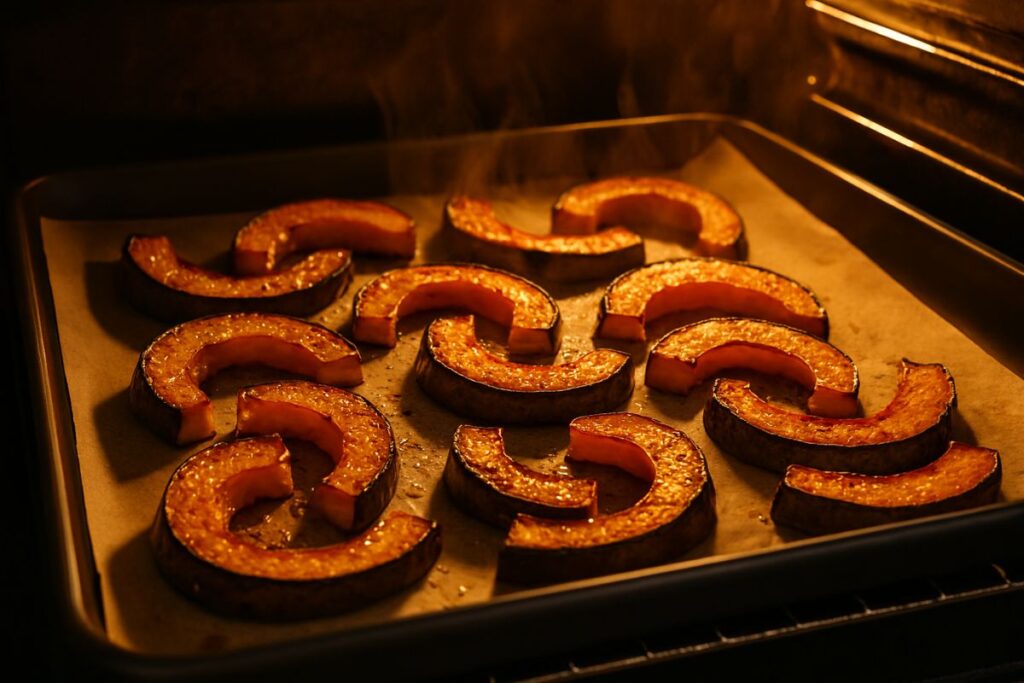
Roasting at high heat—specifically $200^{\circ}C$ ($400^{\circ}F$)—is non-negotiable. Lower temperatures steam the pumpkin rather than roast it. At high heat, surface moisture evaporates quickly, allowing natural sugars to caramelize.
This is what creates flavor.
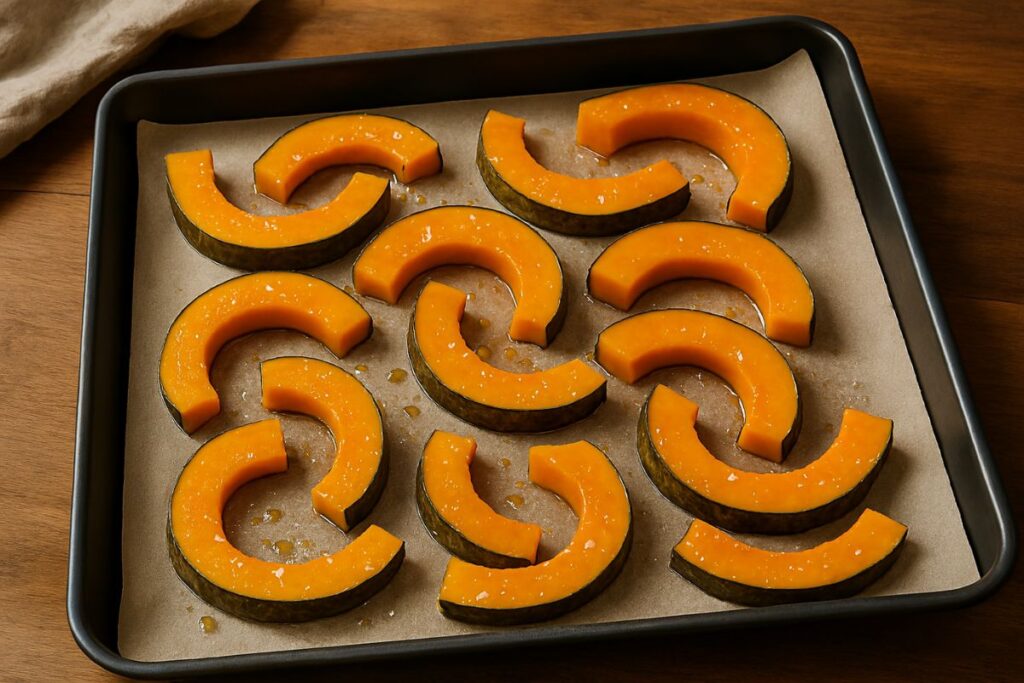
Spread the pumpkin in a single layer. Give it space. Crowding traps steam, and steam is the enemy of caramelization.
The Science Behind the Sizzle
While the pumpkin caramelizes through sugar breakdown, halloumi undergoes the Maillard reaction—a complex chemical process where proteins and sugars react under heat to create hundreds of flavor compounds. That golden crust? That’s chemistry doing you a favor.
Why Your Pumpkin Might Be Soggy (And How to Fix It)
Common Pitfalls:
- Overcrowding the tray
- Too much oil
- Oven temperature too low
The Fix:
Use two trays if needed. Toss lightly with oil—just enough to coat. Preheat fully before roasting.
Timing Is Everything
Roast pumpkin until deeply golden, not pale. Sear halloumi just before serving to preserve texture. Assemble while ingredients are warm, allowing the greens to soften slightly without collapsing.
The Recipe: “Sunset” Roast Pumpkin Salad with Halloumi
Ultimate Roast Pumpkin & Halloumi Salad
Equipment
- Large baking sheet
- Parchment paper
- Non-stick frying pan or griddle
- Small glass jar or bowl (for the dressing)
- Large salad serving bowl
- Sharp knife and cutting board
Ingredients
For the Salad
- 1 small Kabocha or Kent pumpkin cut into wedges
- 2 tbsp olive oil
- Sea salt & freshly cracked black pepper
- 250 gm halloumi sliced
- 4 cups rocket or baby spinach
- ½ cup pomegranate seeds
- ¼ cup toasted walnuts or pepitas
For the Maple–Tahini Dressing
- ¼ cup tahini
- 2 tbsp maple syrup
- 1 lemon For Juice of 1 lemon
- 1 tbsp olive oil
- 3 tbsp warm water to thin
Instructions
Step 1:
- Roast the Pumpkin
- Preheat your oven to $200^{circ}C$ ($400^{circ}F$). Line a large baking sheet with parchment paper.
- Toss the pumpkin wedges with olive oil, sea salt, and black pepper. Spread them out in a single layer—this is crucial for caramelization.
- Roast for 30 minutes, flipping halfway, until deeply golden with crisp edges.
Step 2:
- Prepare the Dressing
- While the pumpkin roasts, whisk tahini, maple syrup, lemon juice, and olive oil in a small glass jar or bowl. Add warm water gradually until the dressing is pourable but still creamy. Taste and adjust acidity if needed.
Step 3:
- Sear the Halloumi
- Heat a non-stick frying pan or griddle over medium-high heat—no oil needed.
- Add halloumi slices and cook for 1–2 minutes per side until golden and crisp. You’ll hear that signature squeak when it’s perfectly cooked.
Step 4:
- Assemble the Salad
- Add fresh greens to a large serving bowl. Top with warm roasted pumpkin, seared halloumi, and pomegranate seeds.
- Drizzle with dressing and finish with toasted nuts. Toss gently and serve immediately.
Video
Notes
Nutrition Snapshot (Per Serving, Approximate)
Nutrition estimates are calculated for 1 of 5 servings and may vary based on exact ingredients used.
- Calories: ~420 kcal
- Protein: ~18 g
- Fat: ~28 g
- Carbohydrates: ~30 g
- Fiber: ~6 g
- Vitamin A: ~180% DV
Pumpkin delivers a powerful dose of beta-carotene (converted to Vitamin A), which supports immune function, eye health, and skin vitality—benefits highlighted by the Harvard Nutrition Source. Halloumi contributes protein and calcium, while tahini and nuts provide healthy fats that help the body absorb fat-soluble vitamins more efficiently. Watch this quick guide to roasting and seasoning pumpkin—it’s a helpful visual reference for technique, even though it’s not the exact recipe.
Variations: From Halloumi to Feta
For a tangier, cold alternative, this salad adapts beautifully into a roast pumpkin and feta salad. Simply swap the halloumi for crumbled feta, skip the pan entirely, and allow the roasted pumpkin to cool to room temperature before assembling.
The result is lighter and sharper, with the feta adding a briny contrast that works especially well for summer lunches or make-ahead meals—while still keeping the soul of the original “Sunset” salad intact.
Warm Pumpkin Salad: When Comfort Meets Fresh
There’s something deeply satisfying about a warm pumpkin salad. It bridges seasons—comforting enough for cool nights, yet vibrant enough to feel fresh. This one is flexible: serve it as a main, a side, or a shared platter.
The Vibe Pairing
This salad shines during golden hour. Pair it with a playlist full of mellow indie folk or soft electronic beats. Pour a crisp Sauvignon Blanc, or for a non-alcoholic option, a sparkling apple cider with a squeeze of lemon.
Sustainability Notes from the Kitchen
Don’t toss the seeds. Rinse, dry, toss with olive oil and chili flakes, and roast alongside the pumpkin. Crunchy, spicy, zero waste.
For crisp, flavorful veggies, try our Perfect Oven Roasted Asparagus Recipe (425°F) for effortless roasting every time.
Pumpkin is an excellent source of beta-carotene, which supports eye health and immune function—discover more about its nutritional benefits from the Harvard T.H. Chan School of Public Health.
Final Thoughts from the Kitchen
This salad isn’t about complexity—it’s about intention. High heat. Good ingredients. Balance. Once you understand those principles, you can make this dish your own every single time.
Essential FAQ of Roast Pumpkin Salad with Halloumi
Can I make this salad ahead of time for a work lunch?
Yes—with one professional tweak. Store the roasted pumpkin, fresh greens, and salad dressing for pumpkin salad in three separate containers. While halloumi is best eaten warm, it holds its flavor well when cold. Toss just before eating. If you have access to a toaster oven, reheat the halloumi for 2 minutes to bring back that signature stretch.
What type of pumpkin works best for a roast pumpkin salad?
Dense, low-moisture varieties like Kabocha or Kent pumpkin are ideal. Their flesh caramelizes beautifully at high heat, and their edible skin crisps rather than turning leathery. Avoid watery varieties, which tend to steam instead of roast.
How do I stop halloumi from becoming rubbery?
Cook halloumi quickly over medium-high heat and avoid overcrowding the pan. Sear for 1–2 minutes per side until golden, then remove immediately. Overcooking causes moisture loss, which leads to toughness.
What greens pair best with warm pumpkin salads?
Peppery greens like rocket (arugula) or sturdy baby spinach work best. They soften slightly when tossed with warm pumpkin without wilting completely, creating the ideal balance of freshness and comfort.
What can I use instead of pomegranate seeds?
If pomegranate isn’t available, try dried cranberries, thinly sliced apple, or roasted red grapes. Each adds a touch of sweetness and acidity that balances the richness of the pumpkin and cheese.