Introduction
The first note in my notebook is greasy. Literally. A faint translucent thumbprint where I’d turned the page too fast after pulling a pan from the oven. That feels right for where this story starts.
The idea for bacon in the oven didn’t arrive as a technique. It arrived as a memory: early morning kitchens, a quiet house, the smell of rendered fat curling up toward the ceiling like a question mark. I was tired of standing over a skillet, dodging splatter, flipping strips that curled and fought back. I wanted bacon that felt intentional. Even. Calm. I wanted crispy without chaos.
What I was chasing wasn’t just crunch. It was control. The kind of crisp that snaps cleanly, not shatters. The kind of fat that renders slowly enough to taste sweet, not scorched. I kept thinking: What if bacon could be baked the way bread is baked—patiently, evenly, with trust?
I wrote it down like a dare:
Try bacon in the oven. Don’t rush it. Don’t babysit it. Listen.
This post reads like flipping through those pages—half-formed thoughts, crossed-out temperatures, sensory notes scribbled in the margins. It’s not about discovering fire. It’s about discovering attention.
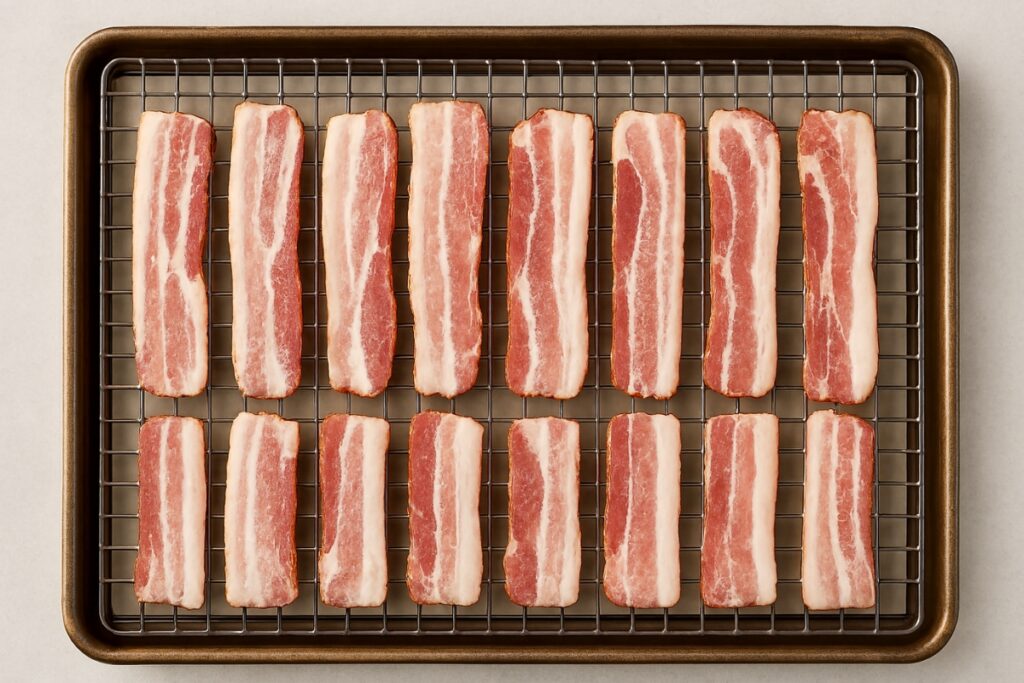
The Experiments
First Test: Too Much Faith
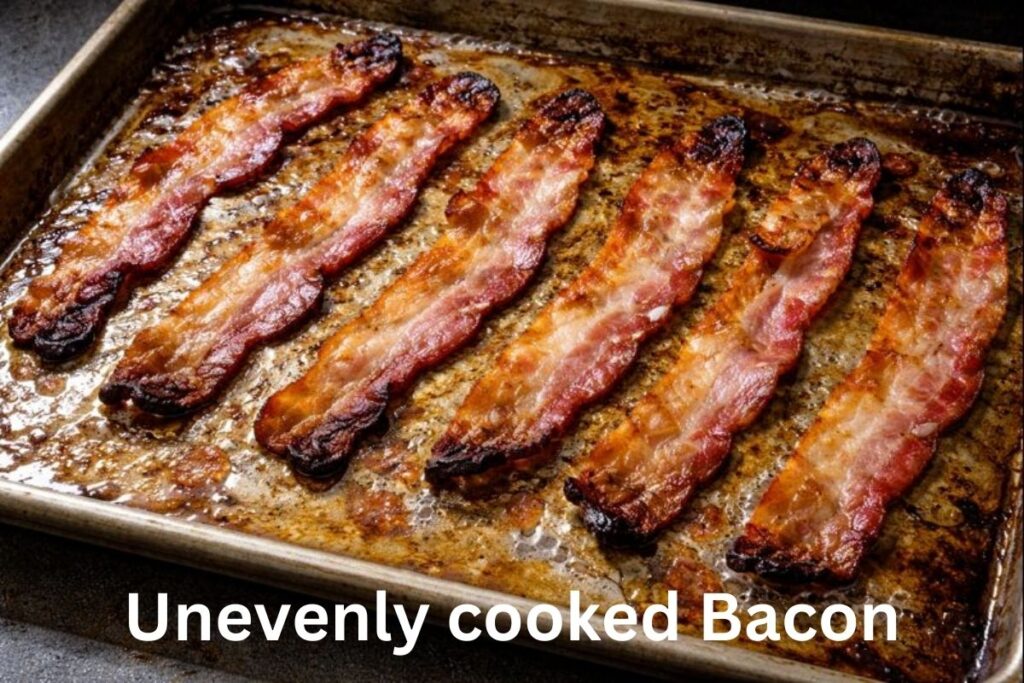
I laid the strips directly on a pan. No rack. No parchment. Just optimism. Oven at 400°F because that’s what everyone says. Ten minutes in, the bacon looked pale and smug. Fifteen minutes, it swam in its own fat like it was at a spa. Twenty minutes, the edges burned while the centers bent like rubber bands.
Notes in the margin:
• uneven heat
• fat pooling = fry, not bake
• smells flat, not roasted
I ate it anyway. It crackled, then collapsed. Not it.
Second Test: Lower Heat, Longer Time
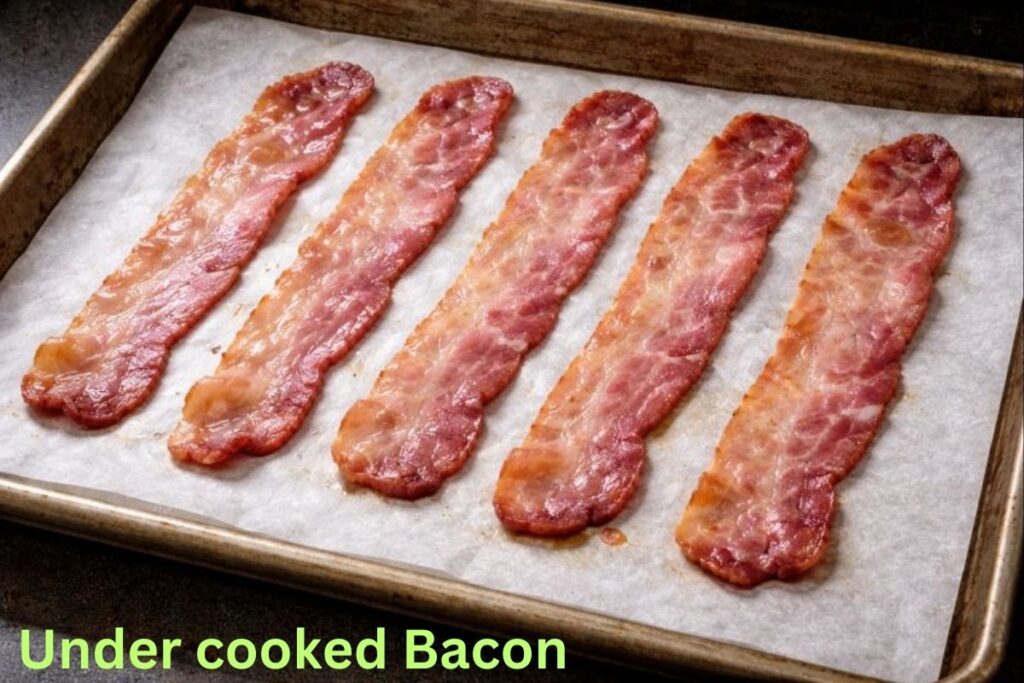
350°F. Patience as a variable. I introduced parchment paper, hoping for gentler contact. The fat rendered more politely, but the bacon steamed itself into softness. The color stayed stubbornly pink, like it refused to commit.
Comparison notes: “Texture like underdone prosciutto left in a warm car.”
Harsh, but accurate.
Doubt crept in. Was this just a myth? Was the skillet the only honest path?
Third Test: Elevation
I remembered roasting duck. Air matters. I added a wire rack, lifting the bacon above the pan. The fat dripped away instead of pooling. This felt promising.
Same 400°F.
Ten minutes: quiet sizzling.
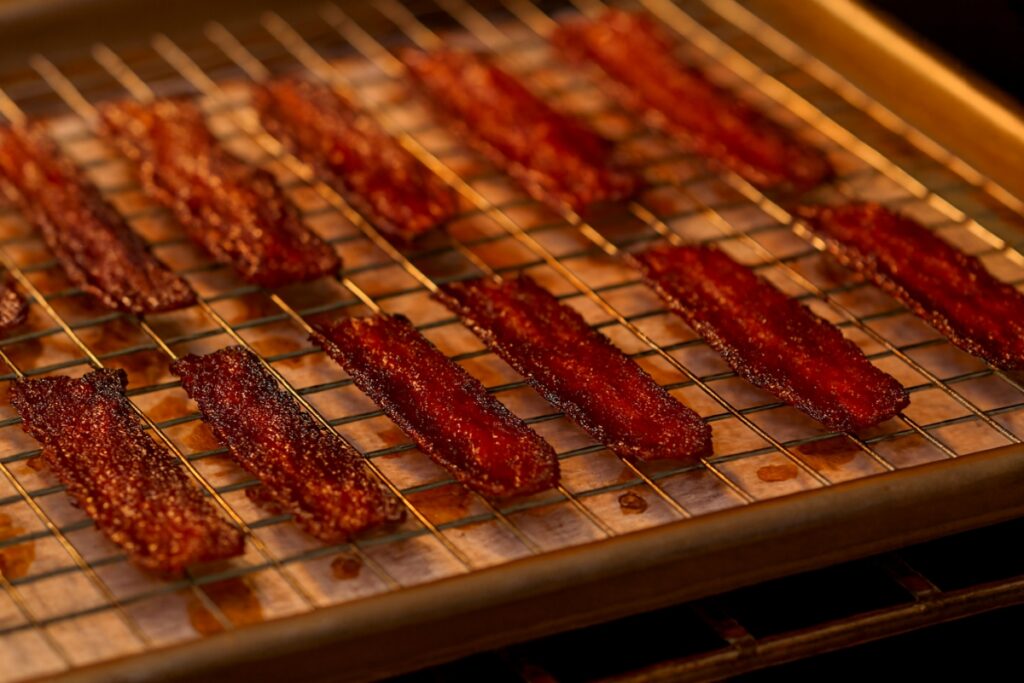
Fifteen: aroma shifted—sweet, nutty, almost like toasted walnuts.
Eighteen: color deepened to copper.
I pulled one strip early. Snapped it. Clean break. I laughed out loud. Then burned the next batch because I got cocky and walked away.
Confidence burns faster than bacon.
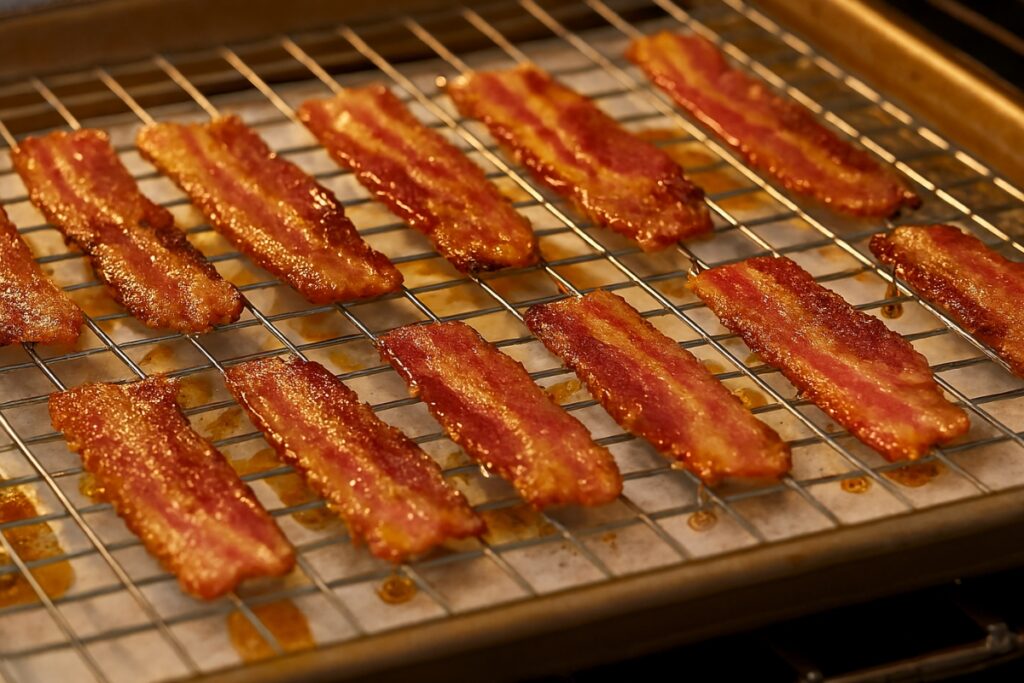
Flavor & Texture Notes:
Batch 4 Notes:
• Color: amber edges, mahogany center
• Sound: faint crackle, not aggressive
Texture Observation:
Firm but yielding. Bends once before breaking. Ideal for sandwiches.
After Resting (3 minutes):
Fat sets slightly. Crisp improves. Flavor concentrates.
Unexpected Reaction:
Smells sweeter as it cools. Almost maple-like without sugar.
Next Tweak:
Rotate pan halfway. Oven has hot spots—accept it or correct it.
Balancing Challenges
Heat Is a Personality
Too high and bacon become brittle, bitter, loud. Too low and it sulks. The sweet spot isn’t just temperature—it’s time plus airflow. The rack solved half the problem. Rotating the pan solved the rest.
Thickness Matters
Thin-cut bacon cooks fast and forgives less. Thick-cut demands patience but rewards it. I learned to separate them into different sessions. Mixing cuts is chaos.
Timing Is Emotional
There’s a narrow window between perfect and ruined. I started setting a timer for five-minute intervals near the end, not to pull the bacon, but to check in with it. Cooking as conversation.
Texture Inconsistency
Some strips crisped faster at the edges. I began trimming wildly uneven pieces or placing thicker ends toward the oven’s hotter side. Micro-adjustments. Quiet wins.
Each problem wasn’t a setback—it was a teacher. The oven became less of a machine and more of a collaborator.
Breakthrough Moment
The breakthrough wasn’t visual. It was aromatic.
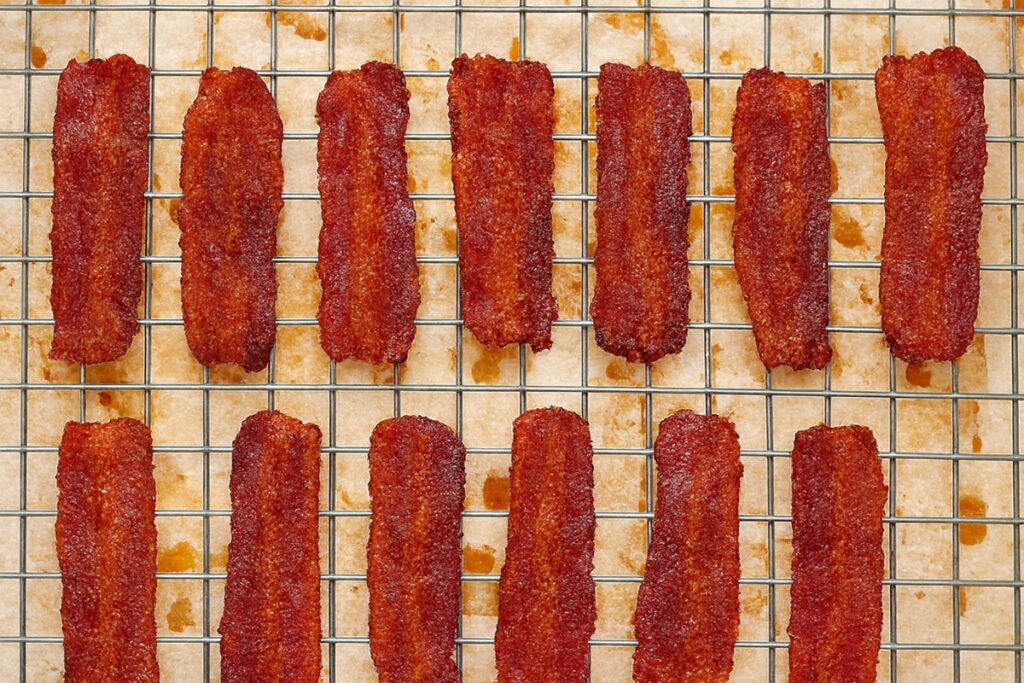
There’s a moment when baking bacon in oven shifts from “raw meat cooking” to “something deeply finished.” The smell rounds out. The sharp porkiness softens into sweetness. The sizzle drops an octave.
I remember standing there, hand on the oven door, thinking: This is it. This is the sound of done.
I pulled the pan. Let it rest. Bit into a strip.
Crisp, yes—but also tender. The fat melted on my tongue instead of coating it. I felt relief first. Then pride. Then a rush of something like gratitude. All that trial for something so simple.
Crispy Bacon in the Oven Recipe:
Bacon in the Oven
Equipment
- 1 Rimmed baking sheet
- 1 Wire rack
- 1 Parchment paper
Ingredients
- 1 lb thick-cut bacon for best crispness and control
- 1 tbsp maple syrup optional, for a touch of sweetness
- 1/2 tsp black pepper optional, for extra flavor
- 1/2 tsp garlic powder optional, for a savory twist
- 1/4 tsp smoked paprika optional, for a smoky flavor
- 1/4 tsp red pepper flakes optional, for a slight kick
- Fresh parsley optional, for garnish
Instructions
- Preheat oven to 400°F (200°C).
- Line a rimmed baking sheet with parchment. Place a wire rack on top.
- Arrange bacon strips without overlap.
- Bake 15 minutes. Rotate pan.
- Continue baking 3–7 minutes until deeply golden.
- Remove and rest 3 minutes before serving.
Video
Notes
For extra-even crispness, start bacon in a cold oven and add 3–5 minutes. This video explores a similar experimental cooking process — not the same recipe, but perfect inspiration for creative cooks.”
Reflection: Creativity, Mistakes, and Food
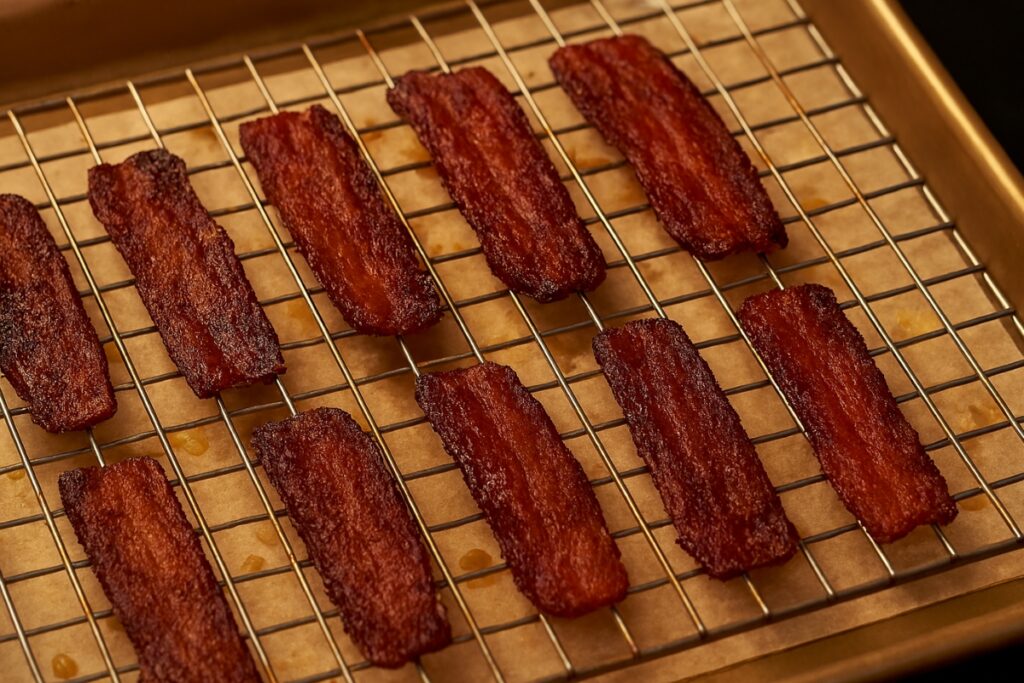
Cooking bacon taught me more than I expected. Not about pork or heat or racks, but about restraint. About letting processes unfold instead of forcing them. Every failed tray reminded me that creativity isn’t loud—it’s patient. It listens.
When I first started experimenting with bacon in the oven, I wanted efficiency. Less mess. More consistency. What I found instead was a mirror for how I approach ideas in general. Rush them, and they burn. Ignore structure, and they collapse. Give them space and attention, and they surprise you.
Mistakes weren’t embarrassing here. They were necessary. Burnt edges taught me about airflow. Limp centers taught me about elevation. Doubt taught me to pause instead of quit.
The kitchen is one of the few places where failure feeds you anyway. Even the “bad” batches got eaten, discussed, learned from. That’s a gift.
If there’s an invitation in this method, it’s this: play. Adjust. Take notes. Let curiosity lead instead of certainty. Whether you’re baking bacon in oven or chasing something bigger, the process matters more than the proof.
Crispness, like clarity, comes when you stop forcing it.
If you like this bacon recipe, discover the magic of bakery-style chocolate chip cookies – perfect for satisfying your sweet cravings!
If you enjoy this crispy bacon, try these easy homemade baking powder biscuits – the perfect side to complement your meal!
If you’re craving more tasty recipes, explore delicious ideas on AllRecipes – your go-to source for home cooking inspiration.
If you love great food, find incredible recipes and culinary tips at Bon Appétit – for all things food and flavor.
Crispy Bacon in the Oven FAQ’s
How long does it take for bacon to get crispy in the oven?
Typically, 18–22 minutes at 400°F, depending on thickness.
Why won’t my bacon get crispy in the oven?
Likely due to low heat, overcrowding, or fat pooling without a rack.
What is the secret ingredient for crispy bacon?
Airflow. Elevation matters more than seasoning.
What is the best way to get crispy bacon?
Use a wire rack, consistent heat, and let it rest briefly after baking.
How long does bacon take in the oven at 200 degrees?
At 200°C (400°F), expect 18–22 minutes.
How do restaurants get bacon so crispy?
They bake in large batches on racks with controlled heat and timing.