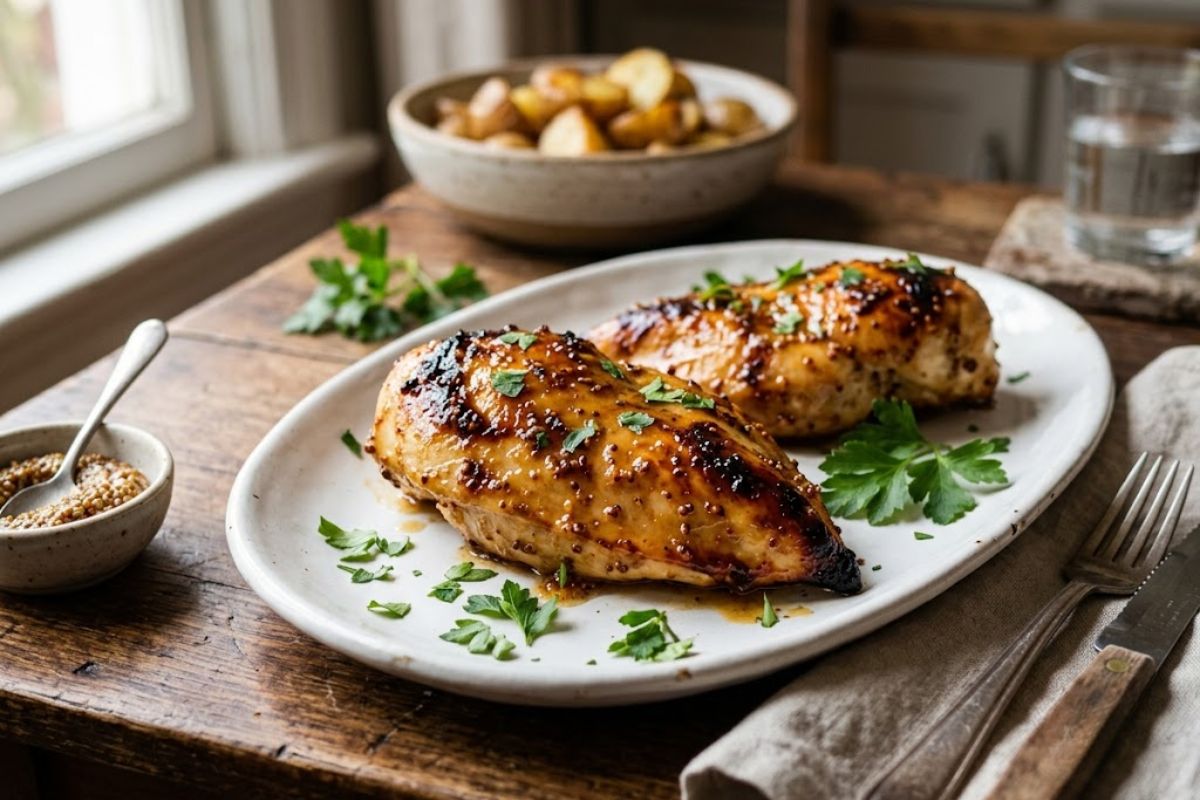
Every bite of this honey mustard chicken delivers the perfect balance of sweet honey, tangy mustard, and juicy oven-baked chicken wrapped in a glossy, caramelized glaze. After testing countless variations, this baked honey mustard chicken recipe has become my go-to because it’s consistently tender, incredibly flavorful, and simple enough for busy weeknights.
Recipe at a Glance
Prep Time: 10 minutes
Cook Time: 25 minutes
Total Time: 35 minutes
Servings: 4
Flavor: Sweet, tangy, savory
Texture: Juicy chicken with a sticky honey mustard glaze
Difficulty: Easy
Freezer Friendly: Yes
Make Ahead: Yes
Quick Recipe Summary
Recipe: Baked Honey Mustard Chicken
Prep Time: 10 minutes
Cook Time: 25 minutes
Total Time: 35 minutes
Yield: 4 servings
Ingredients
- 4 boneless, skinless chicken breasts (or thighs)
- ⅓ cup honey
- ¼ cup Dijon mustard
- 1 tablespoon yellow mustard
- 2 cloves garlic, minced
- 1 tablespoon olive oil
- 1 teaspoon paprika
- Salt and black pepper, to taste
- Fresh parsley, for garnish (optional)
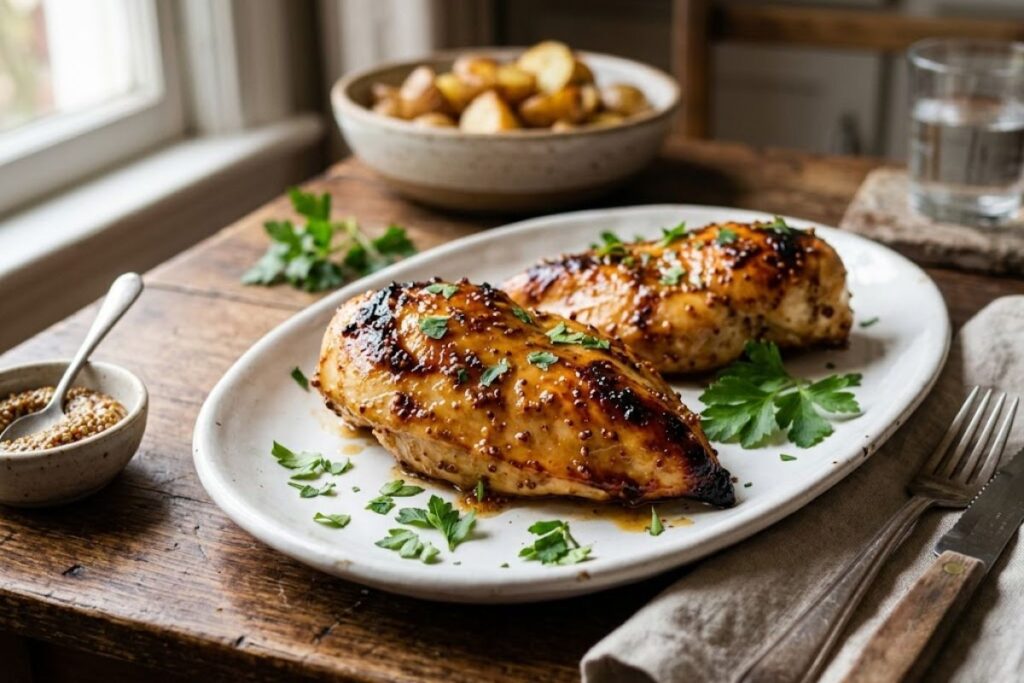
Perfect 30-minute baked honey mustard chicken with a sticky, caramelized glaze.
Quick Directions
- Preheat the oven to 400°F (200°C).
- Whisk together the honey, Dijon mustard, yellow mustard, garlic, olive oil, paprika, salt, and pepper.
- Coat the chicken evenly with the honey mustard sauce.
- Arrange the chicken in a baking dish and bake for 25 minutes, or until it reaches an internal temperature of 165°F (74°C).
- Spoon the pan sauce over the chicken, garnish with parsley if desired, and serve immediately.
Best For: Easy weeknight dinners, meal prep, family meals, and freezer-friendly lunches.
Kitchen Notes & Testing Insights
After 12 kitchen test batches, this recipe consistently produced the best balance of juicy chicken, caramelized glaze, and reliable results when baked at a slightly higher temperature. Small adjustments to the sauce ratio, cut of chicken, and baking method made a noticeable difference in flavor, texture, and browning.
Creating a baked honey mustard chicken recipe that works every time required testing several common variables that home cooks often encounter.
What We Learned Across 12 Test Batches
- Tests 1–3: Boneless Chicken Breasts
- Baking at 375°F kept the chicken moist but produced a lighter, thinner glaze with less caramelization.
- At 400°F, the sauce thickened naturally, creating a richer golden coating while the chicken remained juicy when removed at 165°F.
- Tests 4–6: Boneless Chicken Thighs
- Thighs stayed noticeably juicier because of their higher fat content.
- The glaze clung beautifully to the darker meat and developed deeper caramelized edges during the final few minutes of baking.
- Tests 7–8: Bone-In Chicken
- Bone-in pieces required additional cooking time but retained exceptional moisture.
- The extra roasting time produced a deeper roasted flavor, though it wasn’t as convenient for a quick weeknight dinner.
- Tests 9–10: Honey-to-Mustard Ratios
- Increasing the honey created a sweeter glaze but also increased the risk of over-browning.
- A balanced ratio of honey and Dijon mustard produced the most complex flavor with the ideal sweet-tangy finish.
- Tests 11–12: High-Heat Finish
- A brief finish under the broiler created attractive caramelized spots and intensified the glaze without drying out the chicken.
- Watching carefully during this final step prevented the natural sugars from scorching.
Final Kitchen Takeaways
- 400°F offered the best combination of juicy meat and sticky glaze.
- Boneless chicken breasts cooked quickly and evenly, while thighs provided extra forgiveness for beginners.
- Letting the chicken rest for 5 minutes before serving helped redistribute the juices and allowed the glaze to thicken slightly on the surface.
- Brushing a little reserved glaze over the chicken immediately after baking created an even glossier finish.
The Science of the Perfect Glaze & Tender Chicken
A great honey mustard chicken isn’t just about the ingredients—it’s about how heat transforms them during baking. Understanding the science behind the glaze helps explain why this recipe develops rich flavor, beautiful color, and exceptionally juicy chicken.
Honey and the Maillard Reaction
Honey contributes natural sugars that brown beautifully as the surface temperature rises during baking. While caramelization plays a role, the richest roasted flavors develop as those sugars interact with proteins on the chicken’s surface through the Maillard reaction, producing the deep golden color and savory complexity that make the glaze taste far more flavorful than its simple ingredient list suggests.
Why Mustard Creates a Smooth Glaze
Mustard does more than add tangy flavor. Ground mustard seeds contain natural mucilage, a plant-derived thickening compound that helps bind oil and water into a stable mixture. This emulsifying behavior—similar in function to ingredients rich in lecithin—helps the honey, mustard, olive oil, and seasonings stay blended instead of separating, creating a glaze that coats the chicken evenly throughout baking.
How Acid Helps Keep Chicken Tender
A small amount of apple cider vinegar adds brightness while gently lowering the surface pH of the marinade. Mild acidity begins to denature some surface proteins, allowing flavors to adhere more effectively without making the meat mushy. Because the acid level is balanced and the marinating time is moderate, the chicken retains its structure while becoming more flavorful and tender after baking.
Heat, Resting, and Moisture Retention
Pulling the chicken from the oven as soon as it reaches an internal temperature of 165°F prevents unnecessary moisture loss. Allowing it to rest for several minutes before slicing gives the muscle fibers time to relax and redistribute their juices, resulting in chicken that stays moist beneath a glossy, sticky honey mustard glaze.
Equipment Checklist
Gathering a few reliable kitchen tools before you begin makes the recipe faster, cleaner, and more consistent.
- 9×13-inch baking dish or 10–12-inch cast iron skillet for even cooking and caramelization
- Mixing bowl for preparing the honey mustard glaze
- Whisk to emulsify the sauce until smooth
- Measuring cups and measuring spoons for accurate ingredient ratios
- Silicone pastry brush (optional) for brushing on extra glaze
- Tongs for turning or serving the chicken
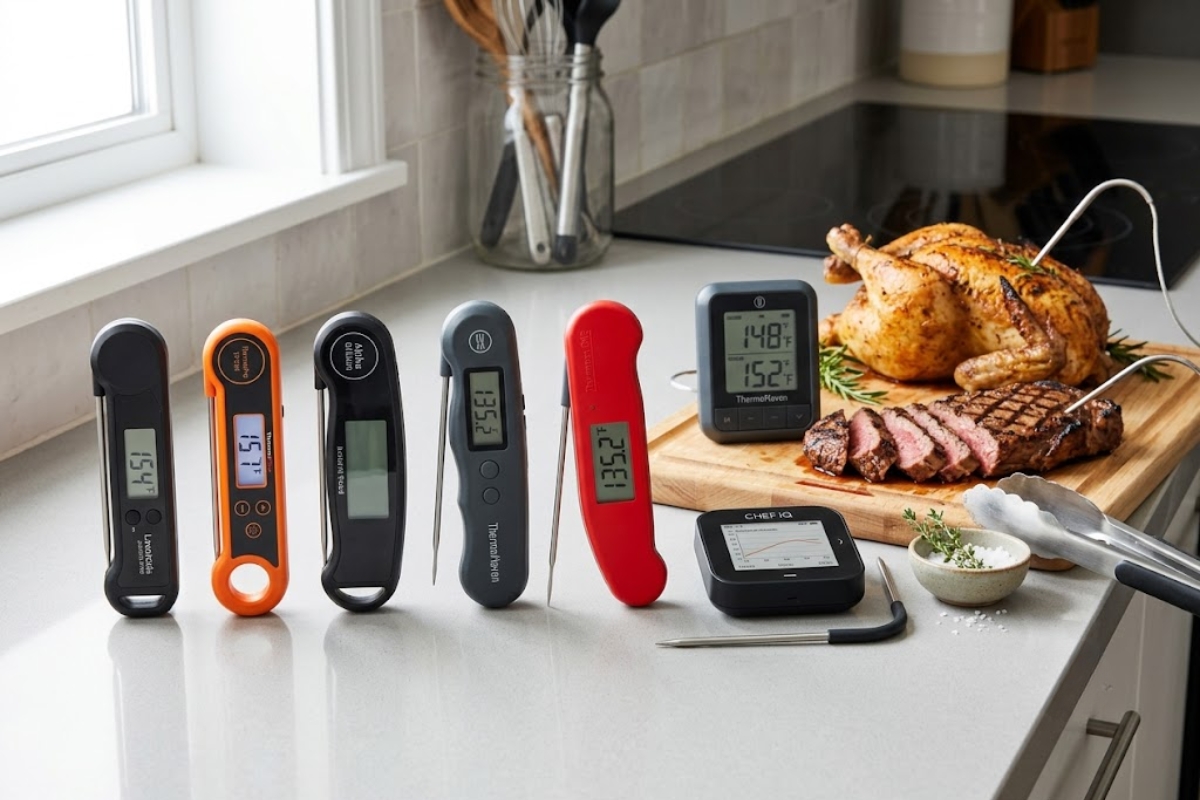
- Instant-read meat thermometer to ensure the chicken reaches 165°F (74°C)
- Wire rack (optional) placed over a baking sheet for improved air circulation and browning
- Chef’s knife and cutting board for trimming and preparing the chicken
- Aluminum foil for resting the chicken after baking
Essential Ingredient Guide & Common Pitfalls
The beauty of honey mustard chicken lies in a handful of everyday ingredients working together to create a sweet, tangy, and savory glaze. Choosing quality ingredients—and avoiding a few common mistakes—makes the difference between a sticky, flavorful dinner and an overly sweet or dry one.
Boneless Skinless Chicken Breasts (or Thighs)
Amount: 4 boneless, skinless chicken breasts (about 6–8 ounces each) or 6 boneless chicken thighs (approximately 1½–2 pounds total)
Why it matters:
Chicken breasts cook quickly and produce lean, tender slices, while thighs remain naturally juicier because of their higher fat content.
Substitutions
- Bone-in chicken breasts
- Bone-in or skin-on thighs (increase cooking time)
- Turkey cutlets for a similar preparation
Common mistakes
- Using unevenly sized chicken pieces, which cook at different rates.
- Overcooking chicken breasts beyond 165°F (74°C), causing them to dry out.
- Skipping the resting period after baking.
Whole Grain Dijon & Yellow Mustard
Amount
- ¼ cup Dijon mustard
- 1 tablespoon yellow mustard
Why it matters:
Dijon delivers bold tanginess and helps emulsify the glaze, while a small amount of yellow mustard adds familiar flavor and vibrant color. Whole grain Dijon also contributes pleasant texture.
Substitutions
- Smooth Dijon mustard
- Spicy brown mustard
- Stone-ground mustard
Common mistakes
- Using only sweet honey mustard from a bottle, which can make the finished glaze overly sweet.
- Replacing all of the Dijon with yellow mustard, reducing depth and complexity.
Raw Honey
Amount: ⅓ cup raw honey
Why it matters:
Honey provides natural sweetness while creating the glossy caramelized coating during baking.
Substitutions
- Local honey
- Clover honey
- Wildflower honey
- Maple syrup (for a different flavor profile)
Common mistakes
- Baking at excessively high temperatures or broiling too long, which can burn the natural sugars.
- Using heavily flavored honey that overwhelms the mustard.
Fresh Garlic
Amount: 2 cloves, finely minced
Why it matters:
Fresh garlic balances the sweetness with aromatic, savory depth that powdered garlic can’t fully replicate.
Substitutions
- 1 teaspoon garlic paste
- ½ teaspoon garlic powder (when necessary)
Common mistakes
- Using pre-minced garlic packed in liquid, which often has a milder flavor.
- Leaving large garlic pieces that may scorch during baking.
Apple Cider Vinegar
Amount: 1 tablespoon
Why it matters:
Apple cider vinegar brightens the glaze, balances the honey, and gently enhances tenderness while adding subtle acidity.
Substitutions
- White wine vinegar
- Fresh lemon juice
- Rice vinegar
Common mistakes
- Omitting the acid entirely, resulting in a glaze that tastes overly sweet.
- Adding too much vinegar, which can overpower the honey and mustard.
Olive Oil
Amount: 1 tablespoon extra-virgin olive oil
Why it matters:
Olive oil helps distribute the glaze evenly, promotes browning, and keeps the sauce smooth while baking.
Substitutions
- Avocado oil
- Light olive oil
- Melted unsalted butter
Common mistakes
- Skipping the oil, which can make the glaze separate more easily.
- Using strongly flavored oils that compete with the honey mustard sauce.
Ingredient Success Tips
- Use chicken pieces of similar thickness for even cooking.
- Measure the honey and mustard accurately to maintain the ideal sweet-to-tangy balance.
- Fresh garlic and apple cider vinegar provide brighter flavor than shelf-stable alternatives.
- Always verify doneness with an instant-read thermometer instead of relying on cooking time alone.
- Reserve a small portion of freshly mixed glaze before coating the raw chicken if you want extra sauce for serving.
How to Make Honey Mustard Chicken
Follow these four simple steps for perfectly juicy baked honey mustard chicken with a rich, glossy glaze every time.
Pat the chicken breasts (or thighs) completely dry with paper towels. Removing excess surface moisture helps the honey mustard glaze cling better and encourages beautiful browning in the oven.
Trim away any excess fat, then season both sides of the chicken evenly with:
- 1 teaspoon kosher salt
- ½ teaspoon freshly ground black pepper
- 1 teaspoon paprika
Arrange the chicken in a lightly greased baking dish or oven-safe cast iron skillet, leaving a little space between each piece for even cooking.
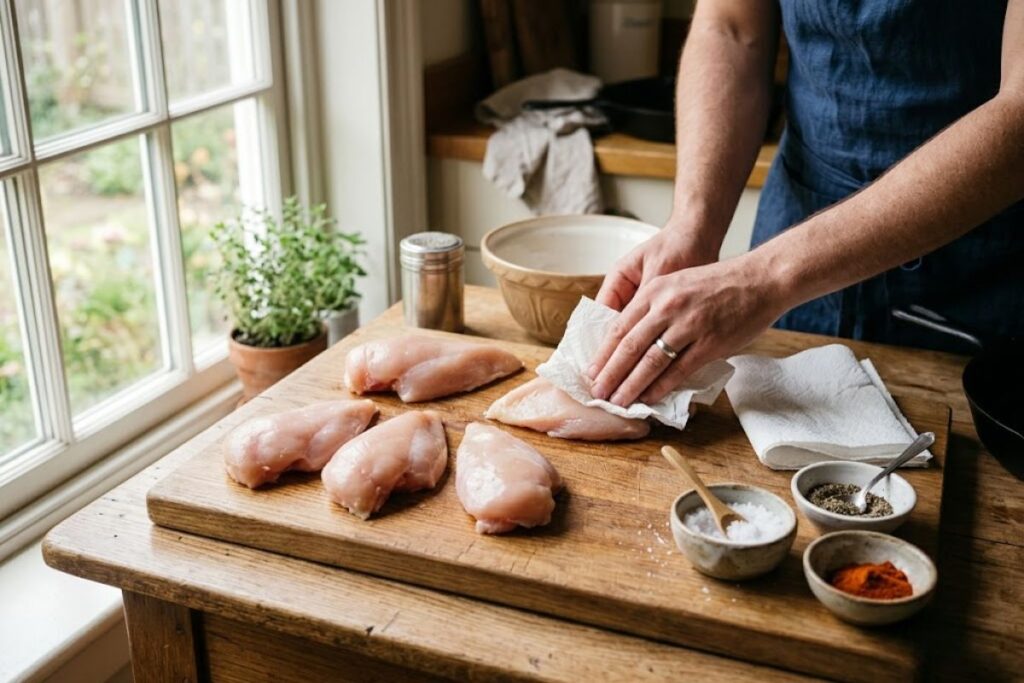
Drying and seasoning the chicken creates better browning and helps the glaze adhere evenly.
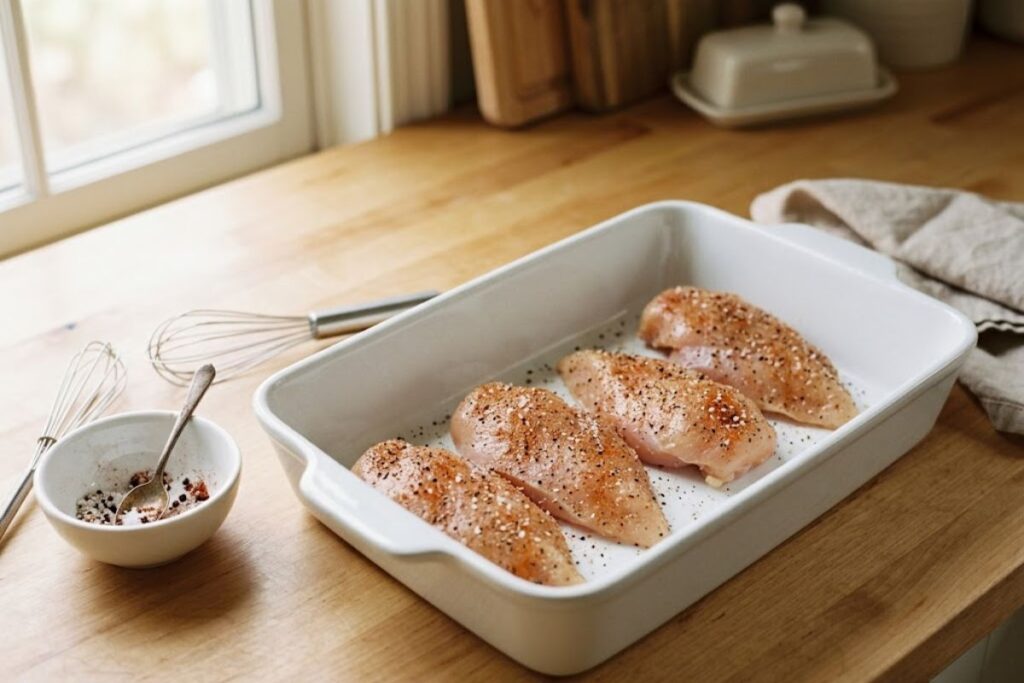
Arrange the chicken in a single layer for even baking.
In a medium mixing bowl, whisk together:
- ⅓ cup raw honey
- ¼ cup Dijon mustard
- 1 tablespoon yellow mustard
- 1 tablespoon apple cider vinegar
- 1 tablespoon olive oil
- 2 cloves minced garlic
Whisk for about 30–60 seconds until the mixture becomes smooth, glossy, and fully emulsified. Reserve a few tablespoons of the glaze before coating the raw chicken if you’d like extra sauce for serving.
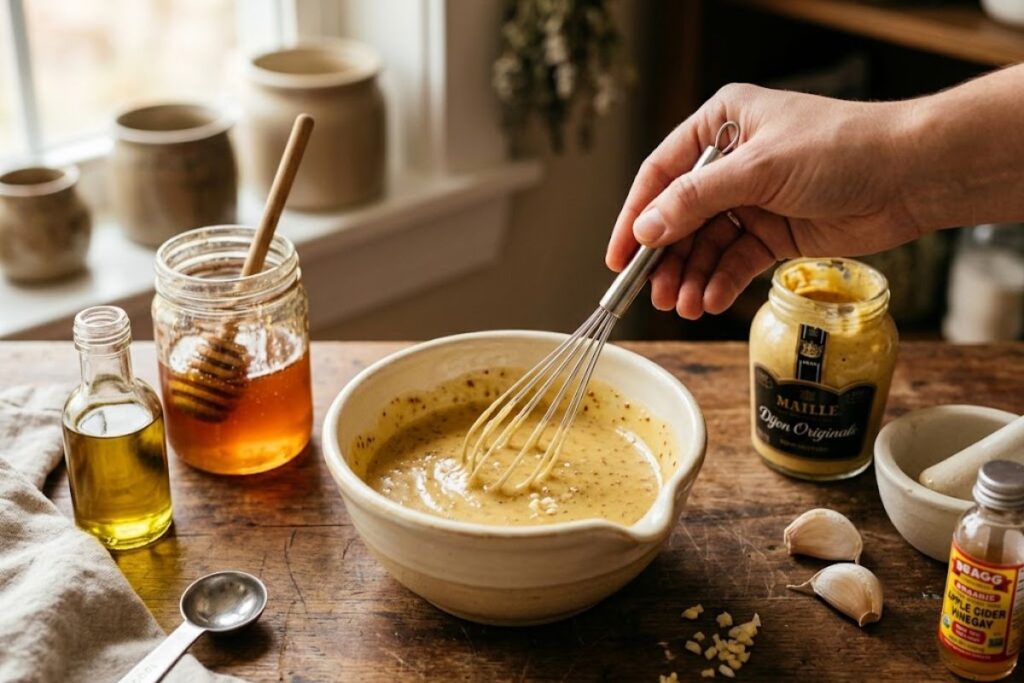
A smooth, well-emulsified glaze coats the chicken evenly during baking.
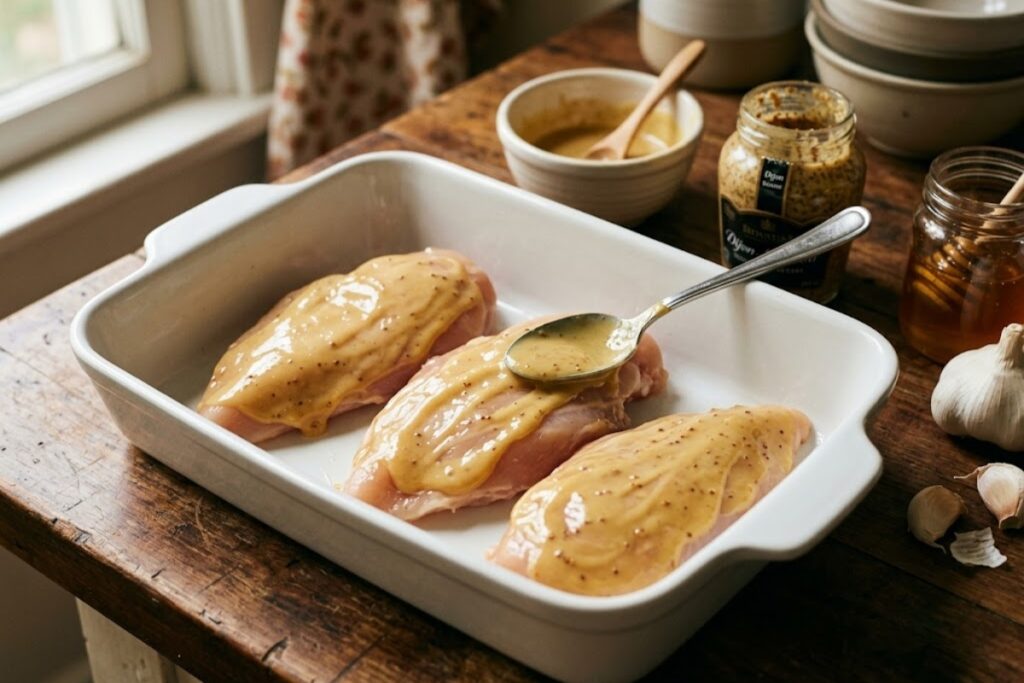
Coat every piece generously so the glaze caramelizes as it bakes.
Pour the honey mustard glaze over the seasoned chicken and use a pastry brush or spoon to coat every surface evenly.
Bake uncovered in a preheated 400°F (200°C) oven for 22–25 minutes, depending on the thickness of the chicken. During baking, the sauce will bubble and gradually thicken into a sticky golden glaze.
For extra caramelization, switch the oven to Broil during the final 1–2 minutes, watching carefully to prevent the honey from burning.
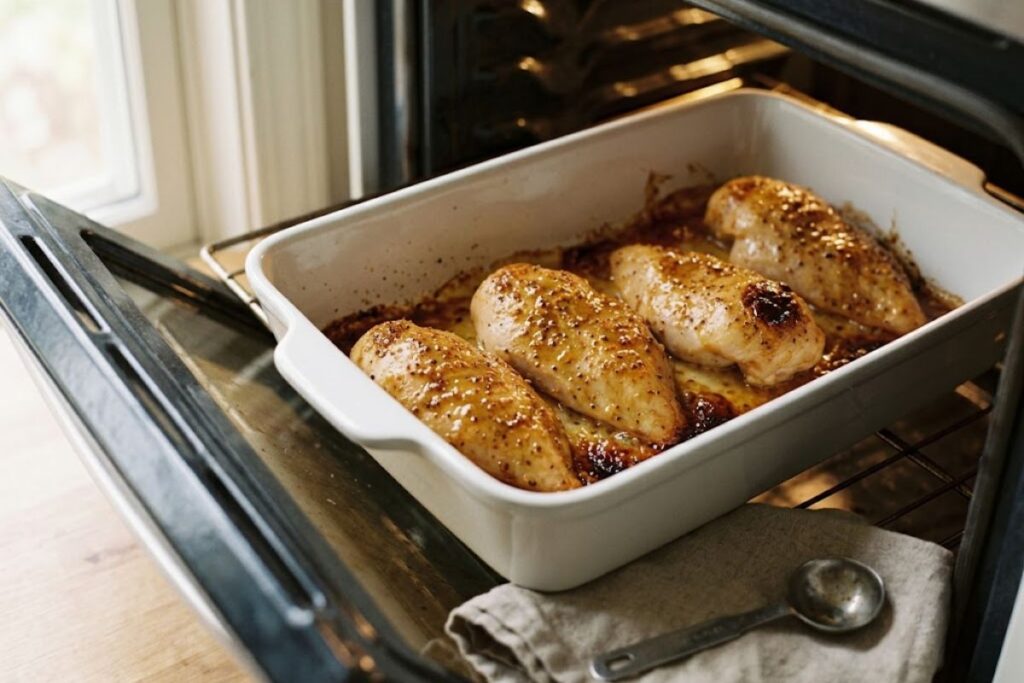
Baking at 400°F creates juicy chicken and a beautifully caramelized glaze.
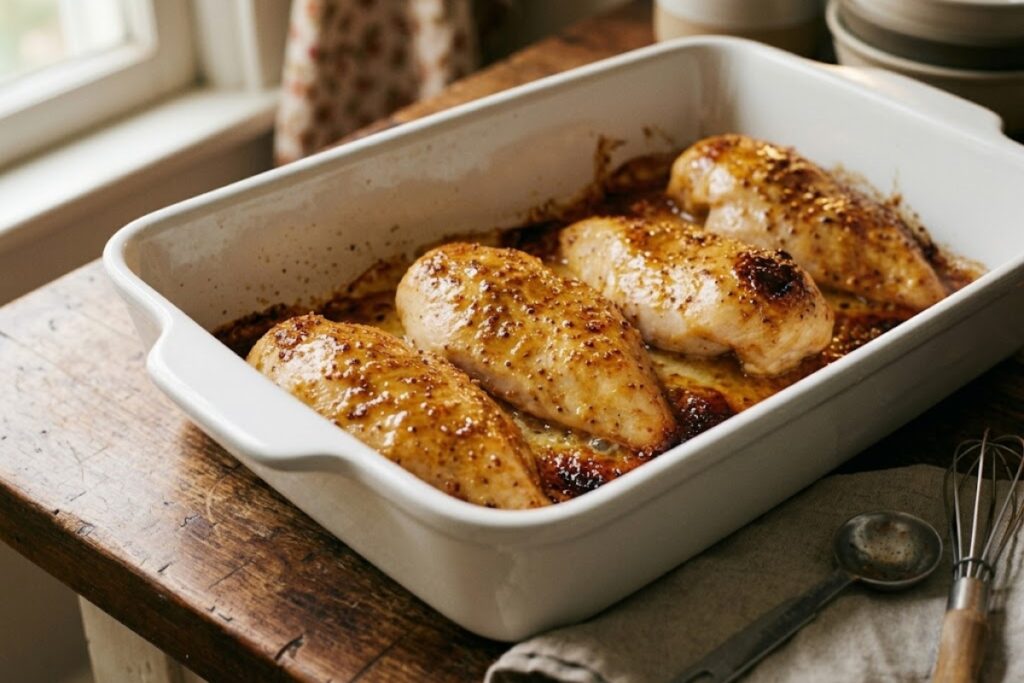
A quick broil deepens the color and creates irresistible sticky edges.
Insert an instant-read meat thermometer into the thickest part of the chicken. Once it registers 165°F (74°C), remove the pan from the oven immediately.
Spoon the hot pan glaze over each piece for an extra glossy finish. Tent loosely with foil and let the chicken rest for 5 minutes before slicing or serving. Resting allows the juices to redistribute while the glaze thickens slightly.
Garnish with chopped fresh parsley if desired, then serve with roasted vegetables, mashed potatoes, rice, or a crisp green salad.
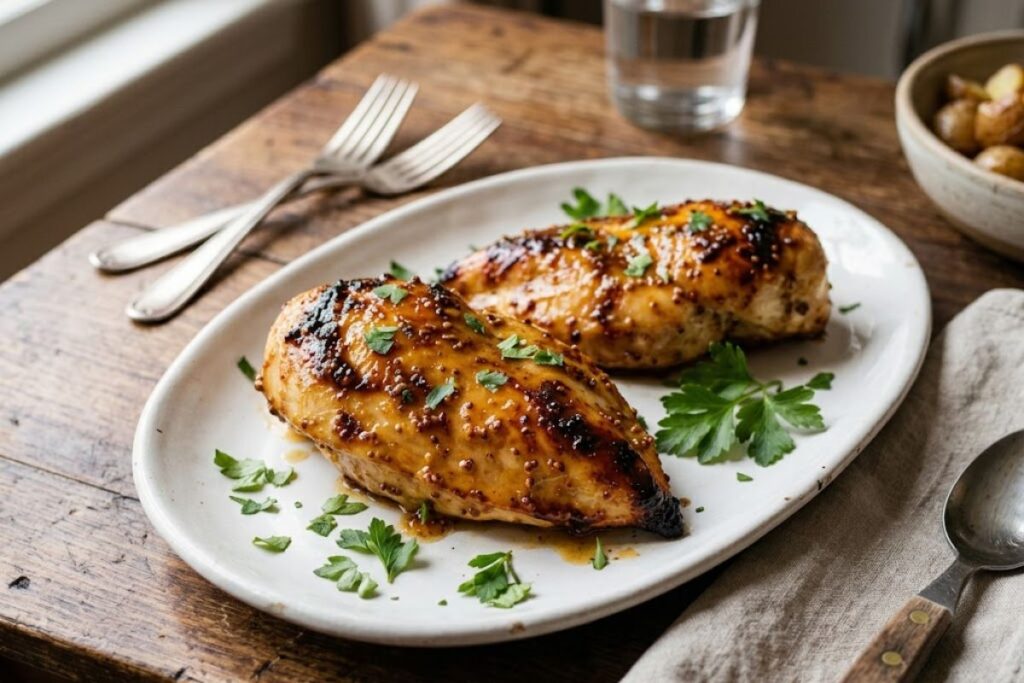
Perfectly baked honey mustard chicken with a glossy caramelized glaze, ready to serve.
Troubleshooting Common Issues
Even simple recipes can have small hiccups, but they’re easy to fix once you know what to watch for. These quick solutions will help you achieve juicy chicken and a beautifully sticky honey mustard glaze every time.
My glaze is too watery
A thin glaze usually means the chicken released excess moisture during baking.
How to fix it:
- Pat the chicken completely dry before seasoning.
- Bake uncovered at 400°F (200°C).
- Spoon the pan juices over the chicken during the last few minutes instead of adding extra liquid.
- If needed, remove the chicken once cooked and simmer the pan juices for 2–3 minutes until slightly thickened.
The honey burned on the bottom of the pan
Honey contains natural sugars that caramelize quickly and can scorch under prolonged high heat.
How to prevent it:
- Bake on the center oven rack.
- Avoid broiling for more than 1–2 minutes.
- If the glaze darkens too quickly, loosely tent the pan with foil.
- Reserve a small amount of fresh glaze to brush over the chicken after baking instead of relying entirely on prolonged caramelization.
My chicken breast turned out dry
Chicken breasts are lean and can overcook in just a few extra minutes.
How to fix it:
- Use an instant-read thermometer and remove the chicken at 165°F (74°C).
- Choose evenly sized chicken breasts for consistent cooking.
- Let the chicken rest for 5 minutes before slicing so the juices redistribute.
- For extra forgiveness, substitute boneless chicken thighs, which naturally stay juicier.
Serving Suggestions & Pairings
Honey mustard chicken pairs beautifully with both fresh salads and hearty side dishes, making it an easy centerpiece for weeknight dinners or casual entertaining.
Try serving it with:
- Roasted baby potatoes
- Garlic mashed potatoes
- Buttered rice or wild rice
- Steamed broccoli
- Roasted asparagus
- Green beans with almonds
- Dinner rolls or crusty artisan bread
For a bright, refreshing contrast, serve it alongside our Authentic Lebanese Fattoush Salad. The crisp vegetables, herbs, and tangy dressing balance the rich honey mustard glaze perfectly.
Always cook poultry to a safe internal temperature of 165°F (74°C). For the latest food safety recommendations, refer to the official USDA Safe Minimum Internal Temperature Guidelines:
Frequently Asked Questions
Can I make honey mustard chicken ahead of time?
Yes. You can prepare the honey mustard glaze and coat the chicken up to 24 hours in advance. Cover and refrigerate until you’re ready to bake for the freshest flavor and texture.
Should I use chicken breasts or chicken thighs?
Both work well. Chicken breasts are lean and cook quickly, while chicken thighs stay juicier because of their higher fat content. If you’re looking for the most forgiving option, boneless thighs are an excellent choice.
How do I stop the honey from burning in the oven?
Bake at 400°F, avoid placing the pan too close to the top heating element, and broil for only 1–2 minutes if desired. Watching closely during the final minutes helps prevent the natural sugars from scorching.
How long do leftovers last in the fridge?
Store cooled honey mustard chicken in an airtight container in the refrigerator for 3–4 days. Reheat gently in the oven or microwave until warmed through.
Can I freeze baked honey mustard chicken?
Absolutely. Allow the chicken to cool completely, then store it in a freezer-safe container or freezer bag for up to 3 months. Thaw overnight in the refrigerator before reheating for the best texture.
Printable Recipe Card
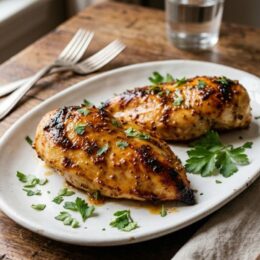
Easy Honey Mustard Chicken – Baked & Juicy
Ingredients
- 4 boneless skinless chicken breasts (6–8 oz each / about 2 lb total)
- ⅓ cup raw honey
- ¼ cup Dijon mustard
- 1 tablespoon yellow mustard
- 1 tablespoon apple cider vinegar
- 1 tablespoon extra-virgin olive oil
- 2 garlic cloves finely minced
- 1 teaspoon paprika
- 1 teaspoon kosher salt
- ½ teaspoon freshly ground black pepper
- 1 tablespoon chopped fresh parsley optional, for garnish
- Metric
- 900 g boneless skinless chicken breasts
- 110 g raw honey
- 60 g Dijon mustard
- 15 g yellow mustard
- 15 ml apple cider vinegar
- 15 ml extra-virgin olive oil
- 2 garlic cloves about 6 g, minced
- 2 g paprika
- 6 g kosher salt
- 1 g ground black pepper
- 4 g chopped fresh parsley optional
Instructions
- Preheat the oven to 400°F (200°C). Lightly grease a 9×13-inch baking dish or an oven-safe cast iron skillet.
- Pat the chicken completely dry using paper towels. Season both sides evenly with the salt, black pepper, and paprika.
- In a medium bowl, whisk together the honey, Dijon mustard, yellow mustard, apple cider vinegar, olive oil, and minced garlic until smooth and glossy.
- Reserve 2 tablespoons of the glaze if you’d like extra sauce for serving.
- Arrange the chicken in the prepared baking dish in a single layer.
- Pour the honey mustard glaze evenly over the chicken, coating every piece thoroughly.
- Bake uncovered for 22–25 minutes, or until the thickest portion reaches an internal temperature of 165°F (74°C).
- For extra caramelization, broil for 1–2 minutes, watching carefully so the honey doesn’t burn.
- Spoon the hot pan glaze over the chicken.
- Rest the chicken for 5 minutes before serving.
- Garnish with chopped parsley and serve with roasted vegetables, potatoes, rice, or salad.
Notes
Nutrition Facts
Per Serving (Approximate)
| Nutrient | Amount |
|---|---|
| Calories | 392 kcal |
| Protein | 41 g |
| Total Carbohydrates | 22 g |
| Sugars | 20 g |
| Total Fat | 15 g |
| Saturated Fat | 2.5 g |
| Sodium | 720 mg |
Nutrition Disclaimer: Nutritional values are estimates based on standard ingredient databases and may vary depending on the specific brands, ingredient substitutions, and portion sizes used.