Disclosure: As an Amazon Associate, DishStories may earn from qualifying purchases at no extra cost to you.
$10 Dinner Recipes: 10 Quick Weeknight Wins for Your Budget
Feeding your family on a tight budget doesn’t have to mean boring or bland meals. In fact, you can make delicious, satisfying dinners for $10 or less—with simple ingredients you probably already have at home.
Whether you’re trying to cut grocery costs, plan affordable weekly meals, or just need quick dinner ideas that won’t break the bank, these $10 dinner recipes are here to help. Each recipe is easy to make, budget-friendly, and full of flavor—so you don’t have to sacrifice taste to save money.
The Sunday Receipt Shock.
You know the moment. You’re standing in line at the grocery store, watching each item scan, the total ticking higher and higher. What felt like a simple restock suddenly looks like a budget crisis. There’s a quiet pause as you swipe your card—and maybe an even quieter promise to yourself: there has to be a better way to feed your family without overspending.
Here at DishStories Team, we’ve been there too. That’s exactly why we created this collection of $10 dinner recipes—meals designed to stretch your dollars without shrinking your standards. Because eating on a budget shouldn’t mean sacrificing flavor, nutrition, or satisfaction.
These recipes are more than just “cheap.” They’re thoughtfully crafted, kitchen-tested, and built for real life—ready in under 30 minutes, packed with flavor, and filling enough to satisfy a family of four. We’re talking smart ingredient choices, efficient cooking, and meals you’ll actually look forward to making again.
If you’re ready to take control of your grocery bill while still serving meals that feel like a win, you’re in the right place.
Get The Recipe: 10 Fast $10 Dinner Recipes :
2. Spaghetti with Meat Sauce Recipe ,
5. Roasted Chicken & Root Veggies ,
7. Easy Ground Beef Taco Recipe ,
8. 20-Minute Chicken Stir-Fry ,
9. Loaded Potato & Egg Skillet ,
10. Creamy Garlic Chicken Pasta
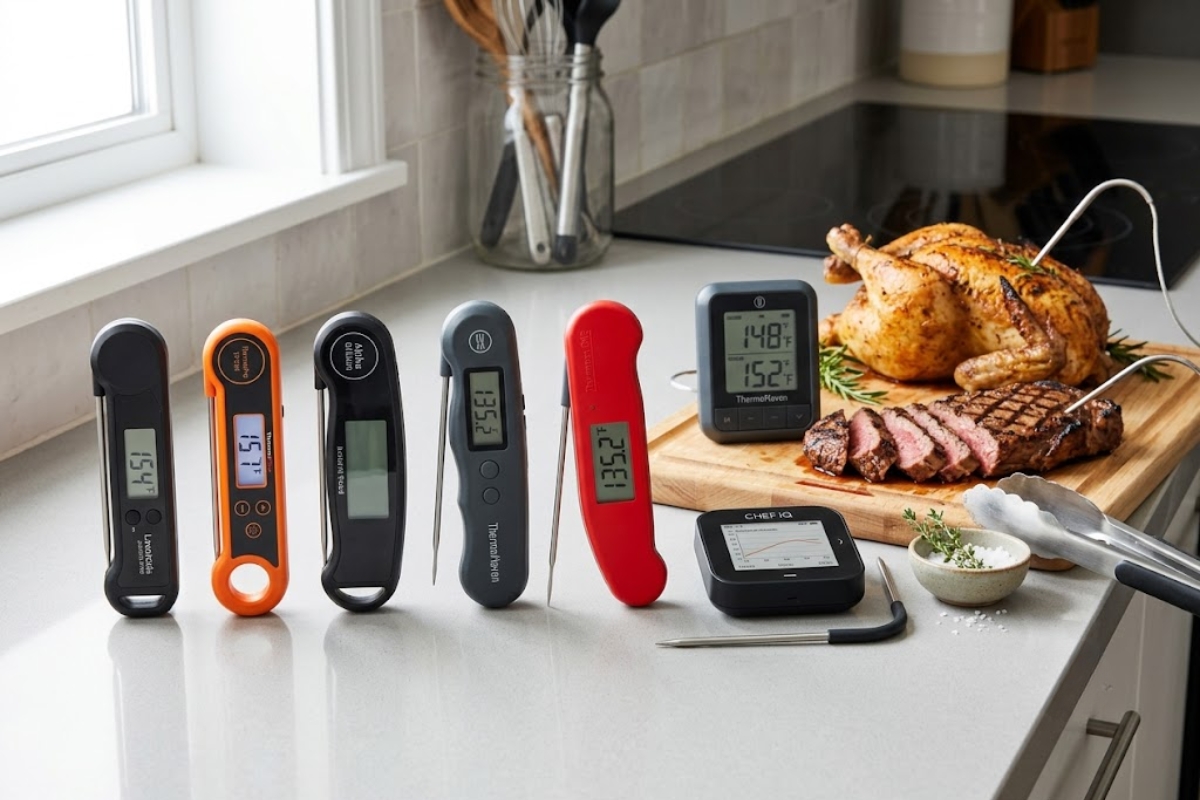
Helpful Kitchen Tools for this recipe:
1. Chicken Fried Rice: One of Our Favorite $10 Dinner Recipes (The “Day-Old Logic” That Changes Everything)
Recipe Card :
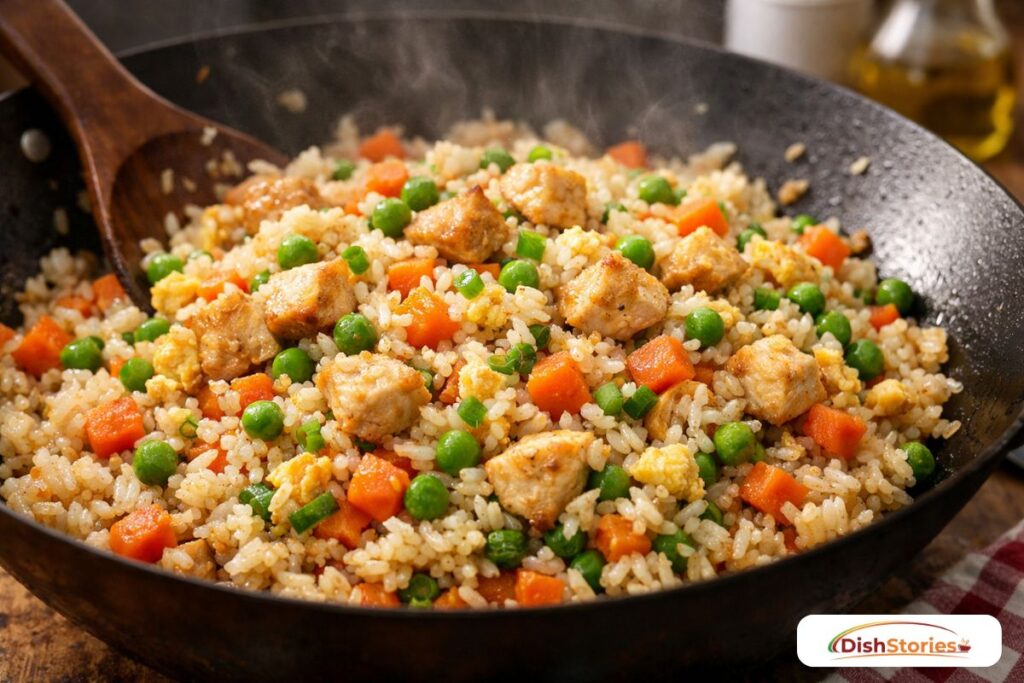
Chicken Fried Rice Recipe
Equipment
- 1 Wok or Large Skillet: Essential for high-heat searing.
- 1 Spatula For frequent tossing.
- 1 Small bowl To beat the eggs before cooking.
Ingredients
- 2 cups cooked cold rice (day-old preferred)
- 1 cup cooked chicken diced or shredded
- 2 pcs eggs
- 1 cup frozen peas and carrots
- 2 tbsp soy sauce
- 2 tbsp oil vegetable or canola
- 2 cloves garlic minced
- Optional: green onions
Instructions
- Heat oil in a large pan over medium-high heat.
- Add garlic and chicken; stir-fry for 2 minutes.
- Push to one side, scramble eggs on the other.
- Add cold rice, breaking up clumps. Stir היט.
- Add frozen veggies and soy sauce; cook 3–5 minutes.
- Mix well, garnish, and serve hot.
Notes
Nutrition Snapshot (Per Serving)
These values are calculated based on the standard serving size (approximately 1.5 to 2 cups per person) using the ingredients listed in your recipe.
| Nutrient | Amount Per Serving |
| Calories | 380 – 420 kcal |
| Protein | 22g – 26g |
| Carbohydrates | 45g – 50g |
| Fat | 12g – 15g |
| Fiber | 3g – 5g |
| Sodium | 850mg (approx.) |
The DishStories Strategy: How We Mastered the $10 Dinner
At DishStories Team, creating cheap family meals under $10 isn’t about cutting corners—it’s about cooking smarter. Our approach starts with what we call Unit-Price Auditing. Instead of grabbing items at random, we compare cost per ounce across everyday staples at stores like Walmart and Aldi. This simple shift helps us identify the true value buys—the ingredients that stretch further without sacrificing quality.
But the real game-changer? Ingredient Overlapping. Rather than building 10 separate shopping lists, we design our meals under $10 around a shared “Pantry Anchor.” Think a 5-pound bag of potatoes, a bulk pack of chicken, or a large sack of rice. These anchors become the backbone of multiple recipes, reducing waste and eliminating the need to buy a new spice or vegetable for every dish.
And this isn’t theory—it’s tested reality. Every recipe in this collection has been cooked in real home kitchens, timed on busy weeknights, and adjusted until it consistently comes together in under 30 minutes. The result: practical, repeatable meals that respect both your time and your budget.
While we focus on weeknight speed here, the same principles of flavor-building apply to big holiday meals, as seen in our traditional Herb Butter Turkey Recipe.
The “Day-Old Logic”
Fresh rice traps moisture, which leads to soggy fried rice. Cold rice undergoes Starch Retrogradation, where starch molecules firm up after cooling. This creates drier, separate grains—exactly what you need for great texture.
Cost Breakdown (Estimated)
| Ingredient | Cost (USD) |
|---|---|
| Rice (2 cups) | $0.80 |
| Chicken | $3.50 |
| Eggs (2) | $0.60 |
| Frozen peas/carrots | $1.20 |
| Soy sauce + oil | $1.00 |
| Total | $7.10 |
Quick Cost View
• Rice – $0.80 (buy in bulk for lowest unit price)
• Chicken – $3.50 (use leftover or rotisserie to save more)
• Eggs – $0.60 (budget protein boost)
• Frozen peas & carrots – $1.20 (cheaper than fresh, no waste)
• Soy sauce & oil – $1.00 (pantry staples, cost spread across meals)
Money-Saving Tips for This Recipe
• Buy store brands instead of name brands
• Use bulk staples like rice and oil
• Replace fresh vegetables with frozen options
• Use leftover chicken or repurpose previous meals
• Stretch protein with eggs instead of adding more meat
• Use pantry sauces creatively instead of buying new ones
Reader Note: The “Five-Serving” Logic (Transparency)
At DishStories Team, we believe budget cooking should come with complete clarity—no hidden math, no unrealistic portions. Here’s exactly how we approach it.
The Logic: When we say these are cheap family meals under $10, we’re working from a consistent standard: our $10 budget is designed for 5 small portions or 3–4 standard adult servings. This gives families flexibility—whether you’re feeding younger kids, stretching for leftovers, or serving heartier appetites at the table.
The Data: Our cost estimates are grounded in real-world pricing. We use 2026 U.S. average prices for store-brand staples, including lines like Great Value and Simply Nature. These brands are widely available and represent the kind of smart, budget-conscious shopping most families rely on.
We don’t assume extreme couponing, bulk warehouse access, or one-time sale prices. Instead, we focus on consistent, everyday affordability. The goal is simple: when we say these are meals under $10, you can trust that they’re achievable in your actual weekly grocery run—not just on paper.
Our estimates are based on the latest grocery price indices and USDA Food Cost Reports, ensuring our budget is achievable for the average American family.
Chicken fried rice FAQs
Why does my fried rice turn mushy?
Fresh rice contains too much moisture. Always use cold, day-old rice—or cool fresh rice completely before cooking.
How do I fix mushy fried rice?
Increase heat and cook longer to dry it out. Avoid overcrowding the pan, and use less sauce next time.
Can I use freshly cooked rice if I don’t have leftovers?
Yes, but you need to dry it out first. Spread the hot rice on a tray in a thin layer and let it cool completely (or refrigerate for 30–60 minutes). This helps remove surface moisture so it behaves more like day-old rice in the pan.
What’s the best pan for chicken fried rice?
A wok is ideal because it holds high heat and allows quick tossing, but a large nonstick or stainless-steel skillet also works. The key is surface area—crowding traps steam and leads to soggy rice.
Why does my fried rice stick to the pan?
This usually happens when the pan isn’t hot enough or there isn’t enough oil. Fried rice needs high heat and a thin layer of oil to prevent sticking and encourage light browning instead of steaming.
This chicken fried rice shows how one smart technique can turn simple, low-cost ingredients into a fast, flavorful meal that easily stays under budget.
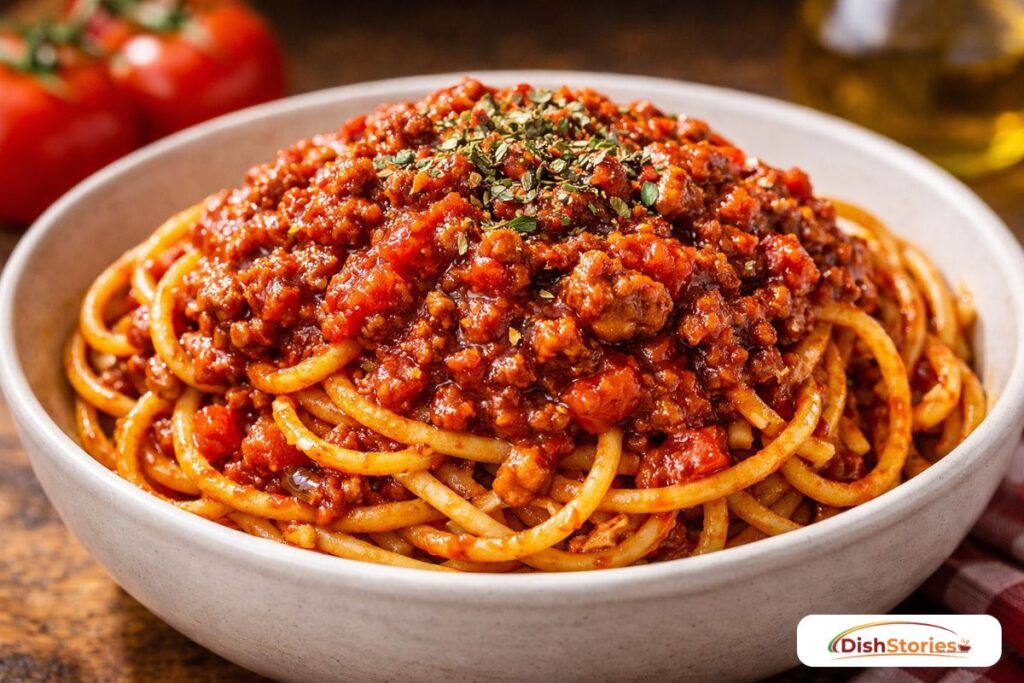
2. Spaghetti with Meat Sauce: A Classic Among $10 Dinner Recipes
Recipe Card
Spaghetti with Meat Sauce Recipe
Equipment
- 1 Large Stockpot: For boiling the pasta.
- 1 Large Skillet or Saucier: To brown the beef and simmer the sauce.
- 1 Colander For draining the pasta.
- 1 Liquid Measuring Cup: To reserve the starch-rich pasta water.
Ingredients
- 8 oz spaghetti
- 1 lb ground beef
- 2 cups marinara sauce
- 1 small onion finely diced
- 2 cloves garlic minced
- 2 tbsp olive oil
- 1 tsp dried oregano
- 1 tsp dried basil
- Salt and pepper to taste
Instructions
- Boil spaghetti in salted water; reserve ½ cup pasta water before draining.
- Heat oil in a pan over medium heat. Add onion and cook until soft.
- Add garlic and dried herbs directly into the oil. Cook for 30 seconds (this is the flavor boost).
- Add ground beef; cook until browned. Season with salt and pepper.
- Pour in marinara sauce; simmer 5–7 minutes.
- Toss spaghetti with sauce, adding a splash of pasta water to combine. Serve hot.
Video
Notes
Nutrition Snapshot (Per Serving)
These values are calculated for a standard adult serving (approximately 2 cups of pasta and sauce).
| Nutrient | Amount Per Serving |
| Calories | 480 – 530 kcal |
| Protein | 24g – 28g |
| Carbohydrates | 55g – 60g |
| Fat | 18g – 22g |
| Fiber | 4g – 6g |
| Sodium | 780mg (approx.) |
The Flavor Hack: “Blooming” Herbs
Adding dried herbs straight into hot oil for 30 seconds releases their essential oils—a technique known as blooming. This mimics the depth of a long-simmered sauce, giving your spaghetti with meat sauce a richer, more developed flavor in minutes.
Technical Note: Sauce That Actually Sticks
When you add a splash of pasta water to your sauce, you trigger Emulsification. The starch in the water binds with the fat in the meat and oil, creating a silky sauce that clings to the noodles instead of sliding off.
Cost Breakdown (Estimated)
| Ingredient | Cost (USD) |
|---|---|
| Spaghetti | $1.00 |
| Ground beef | $4.50 |
| Marinara sauce | $2.00 |
| Onion & garlic | $0.50 |
| Total | ~$8.00 |
Quick Cost View:
• Spaghetti – $1.00 (store brand keeps it low)
• Ground beef – $4.50 (use 80/20 or value packs)
• Marinara – $2.00 (jarred saves time and cost)
• Onion & garlic – $0.50 (high flavor, low cost staples)
Money-Saving Tips for This Recipe
• Buy store-brand pasta and sauce
• Use bulk ground meat or freeze portions
• Swap half the meat with lentils for extra savings
• Use dried herbs instead of fresh
• Stretch servings with a side of bread or salad
If you love quick pasta nights, don’t miss our Easy Creamy Carbonara Recipe, another Italian staple that feels like a luxury on a budget.
Spaghetti with Meat Sauce FAQs
How do I make thin sauce thicker?
Simmer it longer to reduce liquid, or add a small amount of tomato paste. You can also use less pasta water when combining.
Can I use ground turkey instead?
Yes. Ground turkey is a great substitute—leaner and often cheaper. Add a bit more seasoning or oil for flavor.
Why does my sauce slide off the pasta?
You likely skipped the pasta water step. The starch helps bind the sauce—don’t rinse your pasta.
Can I make this ahead of time?
Absolutely. The sauce actually tastes better after a few hours or the next day. Store separately and reheat with a splash of water.
This spaghetti with meat sauce proves that with the right techniques, even a quick, budget-friendly meal can taste like it simmered all day.
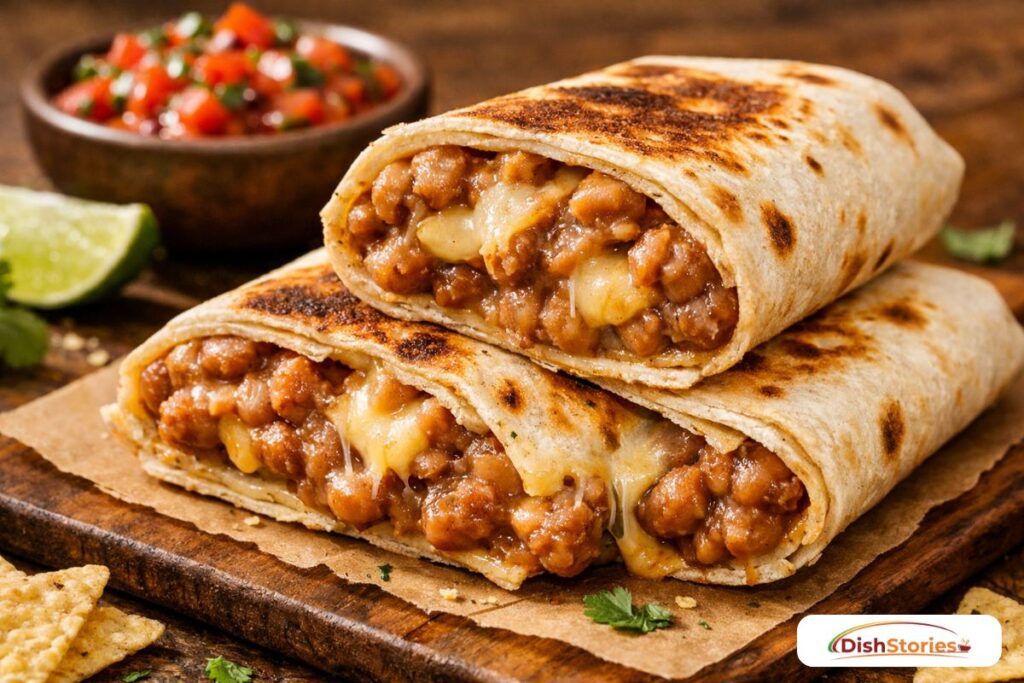
3. Bean & Cheese Burritos: The Ultimate High-Protein $10 Dinner Recipe
Recipe Card :
Bean & cheese burritos
Equipment
- 1 Small Pot or Microwave-Safe Bowl: To heat the refried beans.
- 1 Large Non-Stick Skillet: For warming and toasting the tortillas.
- 1 Spoon or Offset Spatula: For spreading fillings.
Ingredients
- 5 large flour tortillas
- 1 can refried beans
- 1½ cups shredded cheese cheddar or Mexican blend
- ½ cup salsa
- Optional: cumin chili powder, or hot sauce
Instructions
- Warm tortillas in a dry pan or microwave until soft and pliable.
- Heat refried beans in a small pot or microwave.
- Spread beans evenly across each tortilla.
- Sprinkle cheese over the beans, then add a spoonful of salsa.
- Fold in sides, roll tightly into burritos.
- Optional: toast in a pan for 2–3 minutes per side until golden and sealed. Serve warm.
Video
Notes
Nutrition Snapshot (Per Burrito):
| Nutrient | Amount Per Serving |
| Calories | 380 – 420 kcal |
| Protein | 15g – 18g |
| Carbohydrates | 45g – 50g |
| Fat | 14g – 18g |
| Fiber | 7g – 9g |
The Pantry Anchor Advantage
This recipe is built around shelf-stable and low-cost staples—tortillas, canned beans, and cheese—making it a reliable “anytime” meal. No chopping, no prep—just heat, assemble, and eat.
Technical Note: Why It Holds Together
Melted cheese creates Protein Binding—a process where proteins soften and interlock, acting like a glue that holds the beans and tortilla together. This gives each bite structure instead of falling apart.
Cost Breakdown (Estimated)
| Ingredient | Cost (USD) |
|---|---|
| Flour tortillas | $2.00 |
| Refried beans (canned) | $1.50 |
| Shredded cheese | $2.50 |
| Salsa | $1.50 |
| Total | ~$7.50 |
Quick Cost View :
• Flour tortillas – $2.00 (buy larger packs for better value)
• Refried beans – $1.50 (canned = zero prep, budget-friendly)
• Shredded cheese – $2.50 (store brand saves significantly)
• Salsa – $1.50 (adds flavor without extra ingredients)
➡️ Per serving: ~$1.50 or less
Money-Saving Tips for This Recipe
• Choose store-brand tortillas and cheese
• Buy canned beans in bulk or on sale
• Use block cheese and shred it yourself for extra savings
• Skip extra toppings—salsa already adds flavor
• Make extra and freeze for future meals
Bean & Cheese Burritos FAQs
How do I keep tortillas from cracking?
Always warm them first. Heat makes tortillas flexible and prevents tearing when rolling.
Can I freeze these for later?
Yes. Wrap each burrito tightly in foil or plastic, then freeze. Reheat in the microwave or oven.
How can I make them more filling?
Add rice, leftover chicken, or extra beans to bulk them up without much added cost.
Can I make these healthier?
Use whole wheat tortillas, low-fat cheese, or low-sodium beans for a lighter version.
These bean & cheese burritos prove that a simple pantry lineup can deliver a fast, satisfying, and budget-smart meal any night of the week.
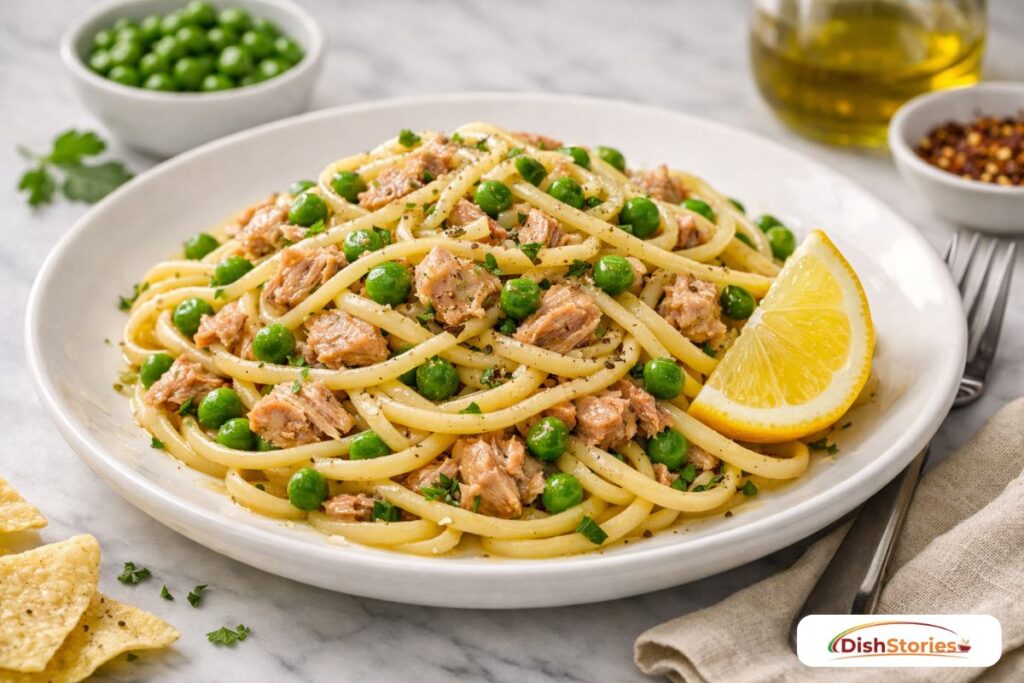
4. Bistro-Style Tuna Pasta: One of Our Quickest $10 Dinner Recipes
Recipe Card
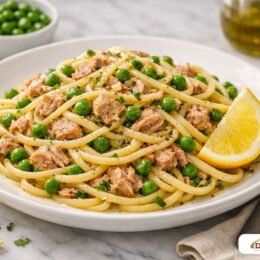
Tuna Pasta Recipe
Equipment
- 1 Stockpot: To cook the pasta.
- 1 Medium Skillet: For sautéing garlic and tuna.
- 1 Pasta Fork/Tongs: To toss the pasta with the oil-based sauce.
Ingredients
- 8 oz pasta spaghetti, penne, or fusilli
- 1 can tuna drained
- 2 tbsp olive oil
- 2 cloves garlic minced
- 1 cup frozen peas
- 2 tbsp lemon juice
- Salt and black pepper
- Optional: chili flakes parsley
Instructions
- Boil pasta in salted water. Reserve ½ cup pasta water before draining.
- Heat olive oil in a pan. Add garlic and cook 30–45 seconds until fragrant.
- Add tuna and gently break it apart.
- Stir in frozen peas and cook 2–3 minutes.
- Add cooked pasta and a splash of pasta water.
- Finish with lemon juice, black pepper, and toss well before serving.
Video
Notes
The Hook: The Bistro Method
This recipe uses a simple upgrade strategy called the Bistro Method—building flavor through garlic-infused olive oil and finishing with lemon juice. It takes a basic canned ingredient and gives it a bright, café-style finish without extra cost or time.
Cost Breakdown (Estimated)
| Ingredient | Cost (USD) |
|---|---|
| Pasta | $1.00 |
| Canned tuna | $2.50 |
| Olive oil & garlic | $1.00 |
| Frozen peas | $1.00 |
| Total | ~$5.50 |
Quick Cost View (Google-friendly):
• Pasta – $1.00 (store brand keeps it budget-friendly)
• Tuna – $2.50 (value cans or multipacks reduce cost)
• Olive oil & garlic – $1.00 (pantry staples spread across meals)
• Frozen peas – $1.00 (cheaper than fresh, zero waste)
➡️ Cost per serving: ~$1.40
Technical Note: Why It Tastes “Gourmet”
Great tuna pasta relies on Flavor Layering. First, garlic and oil create a savory base (fat carries flavor). Then tuna adds umami richness. Finally, lemon juice introduces acidity, which cuts through the fish’s natural oils and brightens the entire dish. Without acid, the flavor feels heavy; with it, the dish tastes balanced and fresh.
Nutrition (Approx. per serving)
- Calories: ~420–460 kcal
- Protein: ~22–26g
- Carbohydrates: ~45–50g
- Fat: ~12–15g
- Fiber: ~3–5g
Money-Saving Tips
• Buy tuna in multipacks for lower per-can cost
• Use store-brand pasta and frozen vegetables
• Substitute olive oil with a blend oil if needed
• Add more pasta and fewer tuna cans to stretch servings
• Use lemon juice concentrate instead of fresh lemons
Tuna Pasta FAQs
Oil-packed or water-packed tuna?
Water-packed is cheaper and lighter; oil-packed has richer flavor. Either works—just adjust olive oil slightly if using oil-packed.
What other vegetables can I add?
Spinach, corn, bell peppers, or zucchini all work well and keep the dish flexible and budget-friendly.
Can I serve this cold?
Yes. It works as a chilled pasta salad—just add extra lemon juice and a drizzle of olive oil.
Can I make it spicy?
Yes—add chili flakes or a dash of hot sauce during the garlic stage for heat that blends into the oil base.
This tuna pasta shows how a few pantry staples, layered correctly, can deliver a fast, low-cost meal that still feels intentional and elevated.
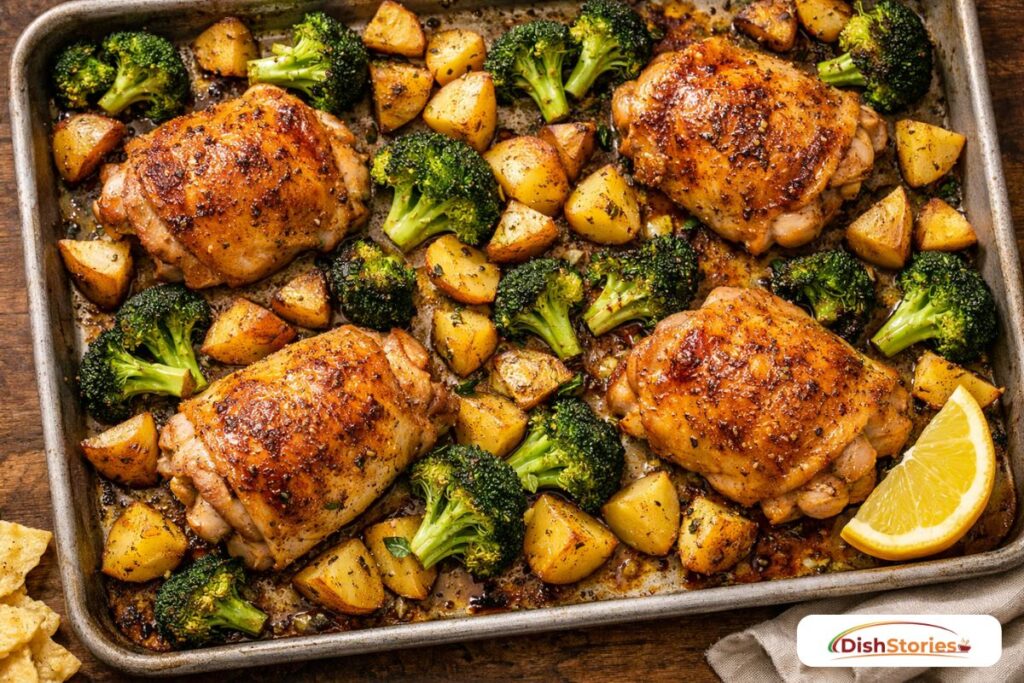
5. One-Pan Roasted Chicken & Root Veggies: Healthy $10 Dinner Recipes Made Simple
Recipe Card:
One-Pan Chicken and Vegetables Recipe
Equipment
- 1 Rimmed Sheet Pan (13×18 inch): The core "One-Pan" tool.
- 1 Large mixing bowl For tossing vegetables in oil and seasoning.
- 1 Chef’s knife For chopping potatoes and carrots
Ingredients
- 4 chicken thighs bone-in or boneless
- 2 cups potatoes chopped
- 2 cups carrots and broccoli mix
- 2 tbsp oil vegetable or olive
- 1 tsp paprika
- 1 tsp garlic powder
- 1 tsp salt
- ½ tsp black pepper
Instructions
- Preheat oven to 400°F (200°C).
- Toss potatoes and carrots with half the oil and seasoning. Spread on a sheet pan.
- Place chicken thighs on top or alongside vegetables. Rub with remaining oil and seasoning.
- Roast for 30–35 minutes until chicken is cooked and vegetables are golden.
- Broil 2–3 minutes for extra crisp edges if desired.
Video
Notes
The Sheet Pan Secret
The magic of one pan chicken and vegetables is high-heat roasting. Cooking everything together allows natural sugars in vegetables to caramelize while chicken juices season the entire pan, creating deeper flavor without extra ingredients.
Cost Breakdown (Estimated)
| Ingredient | Cost (USD) |
|---|---|
| Chicken thighs | $4.00 |
| Potatoes | $1.50 |
| Carrots & broccoli | $2.00 |
| Seasoning & oil | $0.50 |
| Total | ~$8.00 |
Quick Cost View :
• Chicken thighs – $4.00 (budget-friendly protein cut)
• Potatoes – $1.50 (filling base, high yield)
• Carrots & broccoli – $2.00 (fiber + volume, low cost)
• Seasoning – $0.50 (pantry spices stretch across meals)
➡️ Cost per serving: ~$2.00
Technical Note: Why It Tastes So Good
At 400°F, the chicken and vegetables undergo the Maillard Reaction. This chemical reaction between proteins and sugars produces rich, savory, roasted flavors and gives the chicken its golden crust while deepening the taste of the vegetables.
Nutrition (Approx. per serving)
- Calories: ~450–520 kcal
- Protein: ~28–32g
- Carbohydrates: ~30–35g
- Fat: ~20–24g
- Fiber: ~5–7g
Money-Saving Tips
• Buy chicken thighs instead of breasts for lower cost and better flavor
• Use frozen vegetables if fresh prices are high
• Choose seasonal produce for cheaper pricing
• Cut vegetables into larger chunks to reduce shrinkage
• Use one seasoning blend across multiple meals
One Pan Chicken and Vegetables FAQs
How do I prevent soggy vegetables?
Don’t overcrowd the pan. Spread everything in a single layer so moisture can evaporate instead of steaming.
Do I need to peel the potatoes?
No. Leaving the skin on saves time, adds fiber, and improves texture when roasted.
Can I use chicken breasts instead of thighs?
Yes, but reduce cooking time slightly to avoid dryness since breasts cook faster.
Can I meal prep this?
Absolutely. Store in airtight containers and reheat in the oven or air fryer for best texture.
What if my vegetables cook faster than chicken?
Cut them larger or add them halfway through cooking to balance timing.
This one pan chicken and vegetables proves that simple ingredients, roasted correctly, can deliver a complete, balanced meal with deep flavor and minimal effort.
6. Cheesy Baked Ziti: The Ultimate Comfort Pick for $10 Dinner Recipes
Recipe Card :
Cheesy Baked Ziti Recipe
Equipment
- 1 9×13-inch baking dish For layering and baking.
- 1 Large Stockpot: To boil the ziti.
- 1 Large mixing bowl To combine the pasta, sauce, and ricotta.
Ingredients
- 12 oz ziti pasta
- 2 cups marinara sauce
- 1 cup ricotta or cottage cheese
- 2 cups shredded mozzarella
- 1 tbsp olive oil
- 2 cloves garlic optional
- Salt pepper, Italian seasoning
Instructions
- Preheat oven to 375°F (190°C).
- Boil ziti until just under al dente (firm in the center). Drain.
- Mix pasta with marinara, garlic, and seasoning.
- Layer half the pasta in a baking dish. Add ricotta and mozzarella.
- Add remaining pasta and top with more mozzarella.
- Bake 25 minutes until bubbly and golden. Rest 5 minutes before serving.
Video
Notes
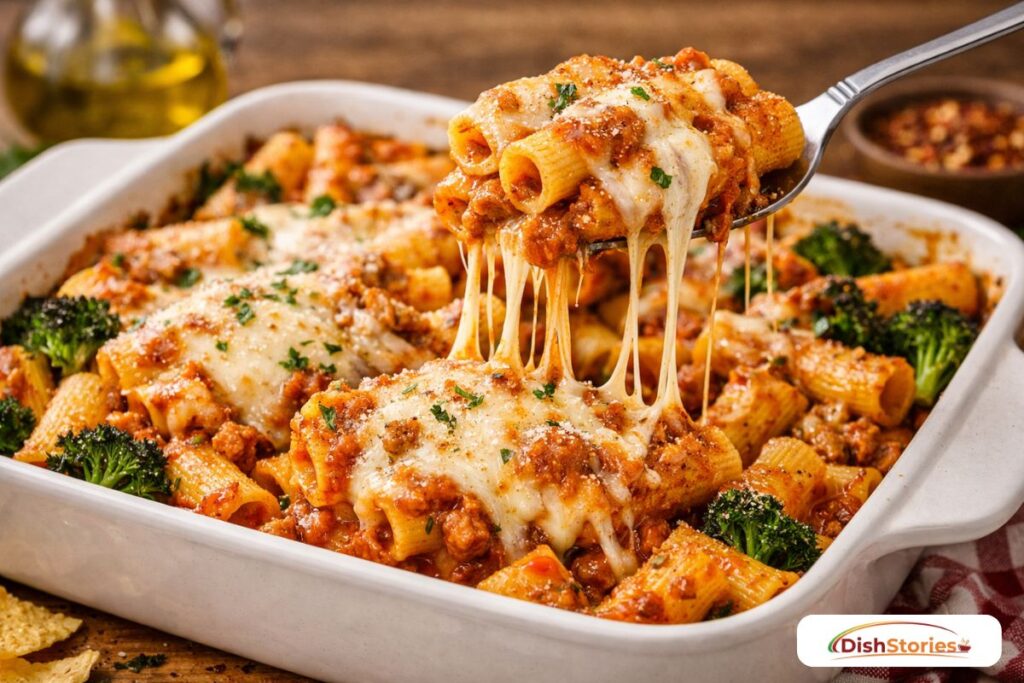
The Hook: The “Ziti Hole” Advantage
The structure of ziti pasta isn’t accidental. Those hollow centers—often called the “Ziti Hole”—are designed to trap sauce and melted cheese inside each bite. This means every forkful of cheesy baked ziti delivers a mix of creamy, saucy, and cheesy textures instead of plain pasta.
Cost Breakdown (Estimated)
| Ingredient | Cost (USD) |
|---|---|
| Ziti pasta | $1.25 |
| Ricotta/cottage cheese | $2.50 |
| Marinara sauce | $2.00 |
| Mozzarella cheese | $2.00 |
| Total | ~$7.75 |
Quick Cost View :
• Ziti – $1.25 (store-brand pasta keeps costs low)
• Ricotta – $2.50 (cottage cheese is a cheaper alternative)
• Marinara – $2.00 (jarred sauce saves time and money)
• Mozzarella – $2.00 (buy blocks and shred for savings)
➡️ Cost per serving: ~$1.30
Technical Note: Why It Stays Creamy
During baking, Oven Carry-over Cooking continues to soften the pasta even after it’s removed from heat. The sauce also thickens and penetrates the noodles as moisture redistributes, ensuring every layer becomes cohesive and creamy without overcooking the pasta.
Nutrition (Approx. per serving)
- Calories: ~430–500 kcal
- Protein: ~18–22g
- Carbohydrates: ~55–60g
- Fat: ~14–18g
- Fiber: ~3–5g
Money-Saving Tips
• Use cottage cheese instead of ricotta for lower cost
• Buy block mozzarella and shred it yourself
• Use store-brand marinara or homemade sauce
• Add water to stretch sauce if needed
• Mix in leftover vegetables or meat for bulk
Cheesy Baked Ziti FAQs
Can I use penne instead of ziti?
Yes. Penne works very well and still holds sauce inside its tube shape, though ziti gives a slightly softer texture.
How long does it last in the fridge?
3–4 days in an airtight container. Reheat with a splash of water or sauce to restore creaminess.
Can I freeze cheesy baked ziti?
Yes. Freeze before or after baking for up to 2 months. Thaw overnight before reheating.
Why is my baked ziti dry?
Usually from overbaking or not enough sauce. Always keep it slightly “loose” before baking—it thickens in the oven.
Can I add meat?
Absolutely. Ground beef, turkey, or sausage can be mixed into the sauce without changing the structure.
This cheesy baked ziti proves that layered pasta, simple ingredients, and smart baking techniques can turn a $7–$8 meal into a rich, crowd-pleasing comfort dish.
7. Easy Taco Recipe Ground Beef: Festive and Fun $10 Dinner Recipes
Recipe Card :
Ground Beef Tacos Recipe
Equipment
- 1 Medium Skillet: For browning the ground beef.
- 1 Meat Masher or Wooden Spoon: To break the beef into fine crumbles.
- 1 Small Ramekin: To pre-mix your DIY taco seasoning.
Ingredients
- 1 lb ground beef
- 10 taco shells soft or hard
- 1 cup shredded lettuce
- 1 cup diced tomato
- 1 tbsp oil optional
DIY Taco Seasoning:
- 1 tsp cumin
- 1 tsp chili powder
- ½ tsp paprika
- ½ tsp garlic powder
- ½ tsp salt
- ¼ tsp black pepper
Instructions
- Heat a pan over medium-high heat and cook ground beef until browned.
- Drain excess fat.
- Add DIY seasoning and 2–3 tbsp water; simmer 2–3 minutes.
- Warm taco shells.
- Fill shells with beef, lettuce, and tomato. Serve immediately.
Video
Notes
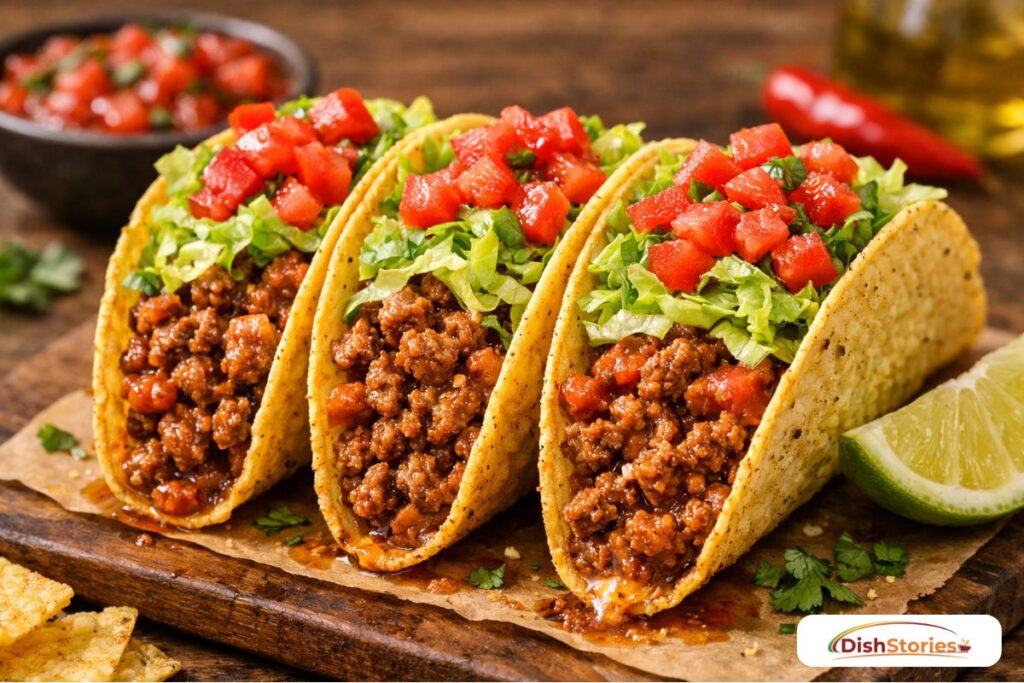
The Hook: DIY Seasoning Hack
Store-bought taco packets are convenient—but overpriced and often loaded with fillers. This taco recipe ground beef uses a simple homemade blend of cumin, chili powder, and pantry spices that delivers the same bold flavor for pennies. You control the salt, heat, and freshness—while cutting unnecessary cost.
Cost Breakdown (Estimated)
| Ingredient | Cost (USD) |
|---|---|
| Ground beef | $4.50 |
| Taco shells | $2.00 |
| Lettuce & tomato | $1.50 |
| Homemade seasoning | $0.25 |
| Total | ~$8.25 |
Quick Cost View :
• Ground beef – $4.50 (value packs lower cost per meal)
• Taco shells – $2.00 (buy in bulk for savings)
• Fresh toppings – $1.50 (simple produce, flexible options)
• DIY seasoning – $0.25 (spices reused across multiple meals)
➡️ Cost per serving: ~$2.00
Technical Note: Why Draining Matters
When cooking ground beef, Fat Rendering occurs. If the excess fat isn’t drained, it coats the meat and softens taco shells, making them soggy instead of crisp. Removing rendered fat ensures the seasoning sticks properly and the filling stays textured rather than greasy.
Nutrition (Approx. per serving)
- Calories: ~420–480 kcal
- Protein: ~22–26g
- Carbohydrates: ~30–35g
- Fat: ~20–24g
- Fiber: ~3–5g
Money-Saving Tips
• Make your own seasoning instead of buying packets
• Use store-brand taco shells and spices
• Mix beef with beans to stretch servings
• Buy lettuce and tomatoes in seasonal sales
• Freeze leftover cooked beef for next taco night
Ground Beef Tacos FAQs
How do I keep taco shells crispy?
Warm them just before serving and avoid overfilling. Drain beef well so no excess fat softens the shells.
What’s the best lean-to-fat ratio for ground beef?
80/20 gives the best flavor, but 85/15 is a good balance for less grease while still staying juicy.
Can I use flour tortillas instead?
Yes. Flour tortillas make softer tacos or burritos and hold fillings more easily if you prefer less crunch.
Can I make this ahead of time?
Yes. Cook and season the beef ahead, but assemble tacos right before eating to keep textures fresh.
How can I make it healthier?
Use lean beef (90/10), add more vegetables, or swap half the meat with black beans to increase fiber.
This taco recipe ground beef shows how a simple DIY spice mix and smart cooking technique can turn an everyday meal into a flavorful, budget-friendly taco night staple.
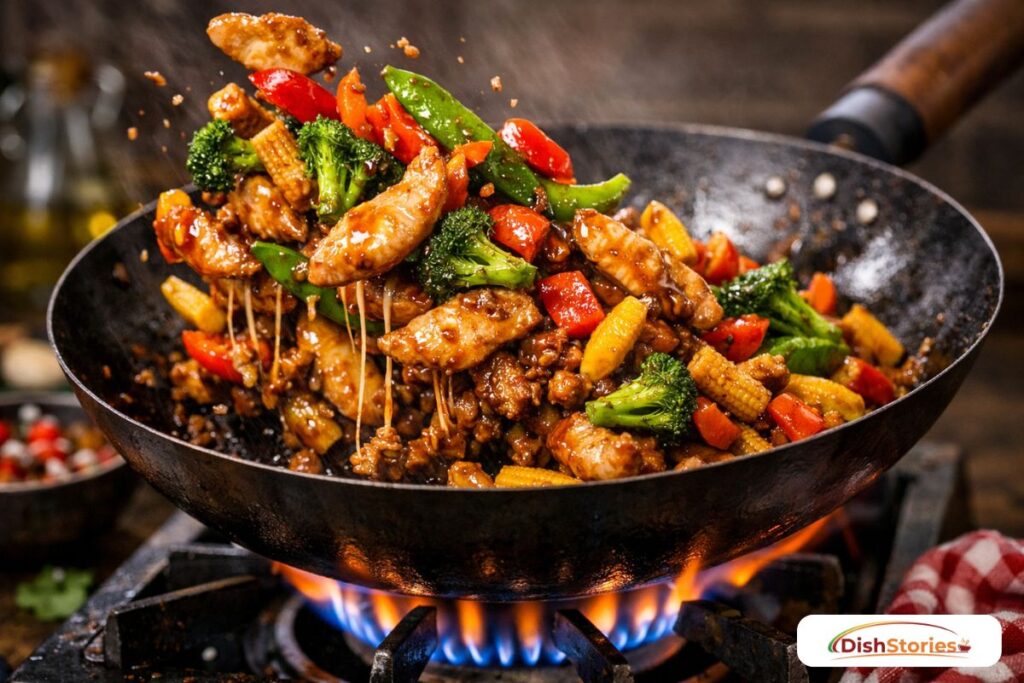
8. 20-Minute Chicken Stir-Fry: Fast and Affordable $10 Dinner Recipes
Recipe Card :
20-Minute Chicken Stir-Fry
Equipment
- 1 Wok or Large Non-Stick Skillet: To achieve "Wok-Hei" high-heat results.
- 1 Chef’s knife For slicing chicken into thin, uniform strips.
- 1 Small whisk For mixing the soy-ginger sauce.
Ingredients
- 1 lb chicken breast thinly sliced
- 2 cups frozen stir-fry vegetable mix
- 2 cups cooked rice for serving
- 2 tbsp soy sauce
- 1 tsp grated ginger or powder
- 2 cloves garlic minced
- 2 tbsp oil vegetable or canola
- Optional: chili flakes, sesame oil
Instructions
- Heat oil in a large pan or wok over high heat.
- Add chicken and sear quickly until golden (3–5 minutes). Remove if needed.
- Add garlic and ginger; stir for 30 seconds.
- Add frozen vegetables and cook until hot but still crisp.
- Return chicken, add soy sauce, and toss well.
- Serve immediately over hot rice.
Video
Notes
The Hook: Wok-Hei Magic
This dish uses the principle of “Wok-Hei”—often called the Breath of the Wok. It refers to cooking at very high heat so ingredients sear instantly instead of steaming. That quick caramelization locks in flavor, giving your 20 minute chicken stir fry that smoky, restaurant-style taste without a restaurant kitchen.
Cost Breakdown (Estimated)
| Ingredient | Cost (USD) |
|---|---|
| Chicken breast | $3.50 |
| Frozen stir-fry mix | $2.00 |
| Soy sauce & ginger | $0.75 |
| Rice | $0.80 |
| Total | ~$7.05 |
Quick Cost View :
• Chicken breast – $3.50 (lean protein, versatile)
• Frozen vegetables – $2.00 (no prep, zero waste)
• Soy sauce & ginger – $0.75 (flavor base, pantry staples)
• Rice – $0.80 (cheap filler, stretches servings)
➡️ Cost per serving: ~$1.75
Technical Note: Why Oil Choice Matters
High-heat stir-frying depends on using oils with a high Smoke Point. Vegetable oil or canola oil can handle intense heat without burning, while butter burns quickly due to its milk solids. Using the right oil ensures proper searing, not steaming, which is essential for achieving wok-style texture and flavor.
Nutrition (Approx. per serving)
- Calories: ~380–430 kcal
- Protein: ~28–32g
- Carbohydrates: ~35–40g
- Fat: ~10–14g
- Fiber: ~4–6g
Money-Saving Tips
• Buy chicken in family packs and freeze portions
• Use frozen vegetables instead of fresh mixes
• Swap chicken breast for thighs when cheaper
• Stretch servings with extra rice
• Reuse soy sauce, garlic, and ginger across multiple meals
20-Minute Chicken Stir-Fry FAQs
Can I use frozen chicken?
Yes, but fully thaw it first. Cooking frozen chicken directly will release water and prevent proper searing.
How do I make the sauce thicker?
Add a small slurry of cornstarch and water (½ tsp cornstarch + 1 tbsp water) during the final minute of cooking.
Can I make it spicy?
Absolutely—add chili flakes, sriracha, or fresh chili during the garlic stage.
Why is my stir-fry watery?
Your pan may be overcrowded or heat too low. High heat and small batches prevent steaming.
Can I meal prep this?
Yes. Store rice and stir-fry separately for up to 3–4 days and reheat before serving.
This 20 minute chicken stir fry shows how the right heat, timing, and simple ingredients can deliver bold flavor, crisp texture, and a complete meal in under 20 minutes.
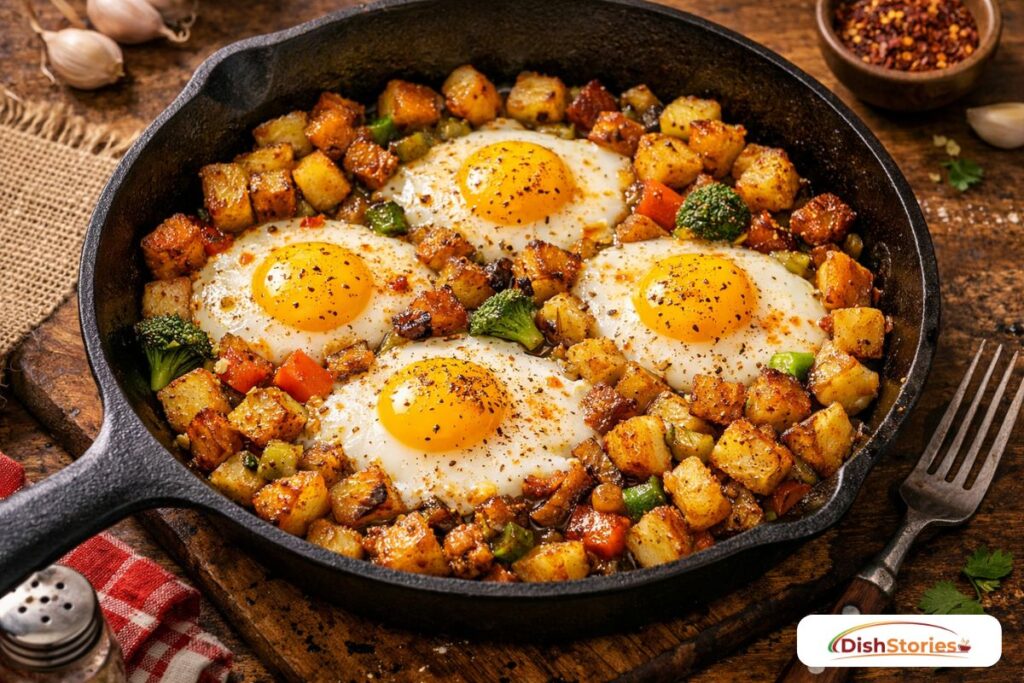
9. Loaded Baked Potato Bar: $10 Dinner Recipes for Large Families
Recipe Card:
Loaded Potato & Egg Skillet Recipe
Equipment
- Loaded Potato & Egg Skillet
- 1 12-inch Cast Iron Skillet: Best for achieving crispy potato edges.
- 1 Medium Pot: For the par-boiling stage.
- 1 Lid To cover the skillet and help set the eggs.
Ingredients
- 3 medium potatoes diced
- 4 eggs
- 1 bell pepper chopped
- 1 small onion chopped
- 2 tbsp oil vegetable or olive
- Salt, pepper, paprika (optional)
Instructions
- Par-boil diced potatoes for 5–7 minutes until slightly tender. Drain and let dry.
- Heat oil in a large skillet over medium-high heat.
- Cook potatoes until golden and crispy (10–12 minutes).
- Add onion and bell pepper; sauté until soft.
- Make small wells and crack eggs into the skillet. Cover and cook until eggs set.
- Season and serve hot.
Video
Notes
The Hook: Breakfast-for-Dinner Strategy
This dish uses a classic “Breakfast-for-Dinner” approach—turning inexpensive staples like potatoes and eggs into a filling evening meal. Potatoes, one of the cheapest and most versatile root vegetables in the U.S., provide bulk and comfort, while eggs add affordable protein, making this a true cheap family meals under $10 solution.
Cost Breakdown (Estimated)
| Ingredient | Cost (USD) |
|---|---|
| Potatoes | $1.50 |
| Eggs | $1.80 |
| Bell pepper | $1.00 |
| Onion | $0.50 |
| Total | ~$4.80 |
Quick Cost View
• Potatoes – $1.50 (high volume, low cost base)
• Eggs – $1.80 (affordable protein source)
• Bell pepper – $1.00 (adds color and nutrients)
• Onion – $0.50 (flavor foundation ingredient)
➡️ Cost per serving: ~$1.20
Technical Note: Why Par-Boiling Works
The secret to crispy potatoes lies in Starch Gelatinization. When potatoes are briefly par-boiled, the starches begin to absorb water and soften. Once drained and pan-fried, the surface dries quickly, allowing a crisp crust to form while the inside stays fluffy. This two-stage cooking method is what creates that perfect golden texture.
Mastering simple sauces is the key to escaping the ‘cheap food’ cycle and entering the world of gourmet home cooking.” (Link to a relevant category page like your “Recipe” or “Tips” archive).
Nutrition (Approx. per serving)
- Calories: ~320–380 kcal
- Protein: ~14–17g
- Carbohydrates: ~35–40g
- Fat: ~14–18g
- Fiber: ~4–6g
Money-Saving Tips
• Buy potatoes in bulk bags for lowest cost per pound
• Use frozen peppers if fresh prices are high
• Stretch eggs with extra potatoes for larger families
• Reuse leftover vegetables from other meals
• Season with pantry spices instead of premade blends
Loaded Potato & Egg Skillet FAQs
Do I need a cast iron skillet?
No, but it helps. Any heavy-bottom pan works—cast iron just holds heat better for crispier potatoes.
Can I add cheese?
Yes. Add shredded cheese at the end and cover the pan so it melts into the eggs and potatoes.
Can I make this ahead of time?
You can prep the potatoes and vegetables in advance, but cook eggs fresh for best texture.
How do I make it crispier?
Don’t overcrowd the pan and let potatoes sit undisturbed for a few minutes before flipping.
Can I add meat?
Absolutely—bacon, sausage, or leftover chicken all work well without changing the structure.
This cheap family meals under $10 skillet proves that simple ingredients, smart technique, and one pan can deliver a hearty, filling dinner that feels far more expensive than it is.
10. Easy Garlic Chicken Pasta: Festive and Fun $10 Dinner Recipes
Recipe Card:
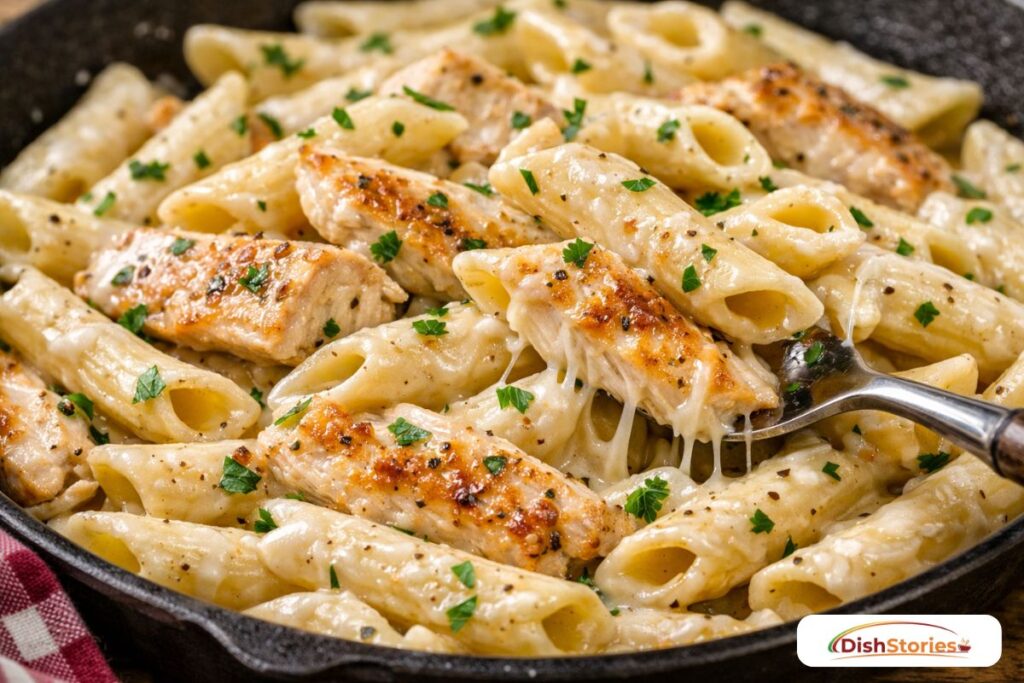
Creamy Garlic Chicken Pasta Recipe
Equipment
- 1 Large skillet To sear chicken and build the milk-slurry sauce.
- 1 Whisk Essential for ensuring the flour/milk slurry is lump-free.
- 1 Stockpot: For cooking the penne or pasta of choice.
Ingredients
- 8 oz pasta
- 1 lb chicken breast sliced
- 2 tbsp butter
- 3 cloves garlic minced
- 1 cup milk
- 1 tbsp flour
- Salt and black pepper
- Optional: parsley or chili flakes
Instructions
- Cook pasta in salted water. Reserve ½ cup pasta water before draining.
- In a pan, melt butter and sauté chicken until golden and cooked through. Remove and set aside.
- Add garlic and cook for 30 seconds.
- Whisk milk + flour together (this is your slurry), then pour into the pan.
- Simmer until thickened, then return chicken and pasta.
- Toss well, adding pasta water if needed. Serve hot.
Video
Notes
The Hook: Milk & Flour Slurry Secret
Instead of using heavy cream, this recipe builds creaminess using a simple milk + flour slurry. It mimics Alfredo-style richness at a fraction of the cost, making it perfect for meals under $10 without sacrificing texture or flavor.
Cost Breakdown (Estimated)
| Ingredient | Cost (USD) |
|---|---|
| Pasta | $1.00 |
| Chicken | $3.00 |
| Milk, flour, butter | $1.50 |
| Garlic | $0.50 |
| Total | ~$6.00 |
Quick Cost View :
• Pasta – $1.00 (store brand keeps cost low)
• Chicken – $3.00 (bulk packs reduce price per meal)
• Milk/flour/butter – $1.50 (pantry staples spread across recipes)
• Garlic – $0.50 (small cost, big flavor impact)
➡️ Cost per serving: ~$1.50
Technical Note: Why It Gets Creamy
The sauce thickens through Viscosity. When flour is heated in liquid, its starch granules absorb moisture and swell, increasing thickness. This creates a smooth, creamy texture that mimics heavy cream without the high cost or fat content.
Money-Saving Tips
• Use store-brand pasta and milk
• Replace chicken with leftover rotisserie meat
• Add extra pasta to stretch servings
• Use dried garlic powder if fresh is expensive
• Swap butter for oil in small amounts if needed
Creamy Garlic Chicken Pasta FAQs
How do I stop the sauce from clumping?
Whisk flour thoroughly into cold milk before adding it to the pan. This prevents dry flour pockets from forming.
Can I use whole wheat pasta?
Yes. It adds fiber and nutrition, though it has a slightly firmer texture and nuttier taste.
Can I make this without chicken?
Absolutely. Mushrooms, spinach, or just garlic pasta still work well and reduce cost further.
Why is my sauce too thin?
Let it simmer longer. The flour needs time and heat to fully activate and thicken.
Can I reheat leftovers?
Yes, but add a splash of milk or water when reheating to restore creaminess.
This meals under $10 recipe proves that creamy, satisfying pasta doesn’t require expensive ingredients—just smart technique and a simple understanding of how everyday pantry staples transform under heat.
Beyond the $10 Dinner: Building a Sustainable Budget Kitchen
The real lesson behind these meals isn’t just how to stretch a dollar—it’s how to build a smarter kitchen system. Budget cooking works best when it moves beyond one-off savings and becomes a repeatable strategy. Through Ingredient Overlapping, we showed how a single Pantry Anchor—like rice, potatoes, beans, or chicken—can power multiple meals without extra shopping trips. And with Unit-Price Auditing, we consistently chose ingredients based on real value per ounce, not just shelf price, helping every dollar go further without sacrificing quality.
At DishStories Team, our focus stays on transparency and kitchen-tested reality. Every recipe in this collection has been cooked, timed, adjusted, and re-tested in real home kitchens to ensure it’s not just affordable on paper—but practical on a busy weeknight. No inflated assumptions, no unrealistic pantry setups—just reliable, repeatable food that works.
If you’ve tried any of these ideas, we’d love to hear from you. Share your favorite Pantry Anchor meal in the comments, or join the DishStories updates for more $10 dinner recipes, smart kitchen strategies, and real-world budget cooking insights.
The Science of Satiety
True budget efficiency doesn’t end with cost—it extends to how full a meal keeps you. Meals that combine proteins (like eggs, beef, or chicken), fats (like cheese or oil), and fiber-rich carbohydrates (like potatoes or beans) slow digestion and increase satiety. This balanced structure helps you stay full longer, naturally reducing snacking and extra meals—meaning you’re not just saving money while cooking, you’re saving money after eating too.
Get smarter responses,